Houseplant Allergies Spike in Fall: 5 Plants to Watch
Sealed windows and furnace startups turn dormant plant proteins and damp soil mold into active respiratory irritants.
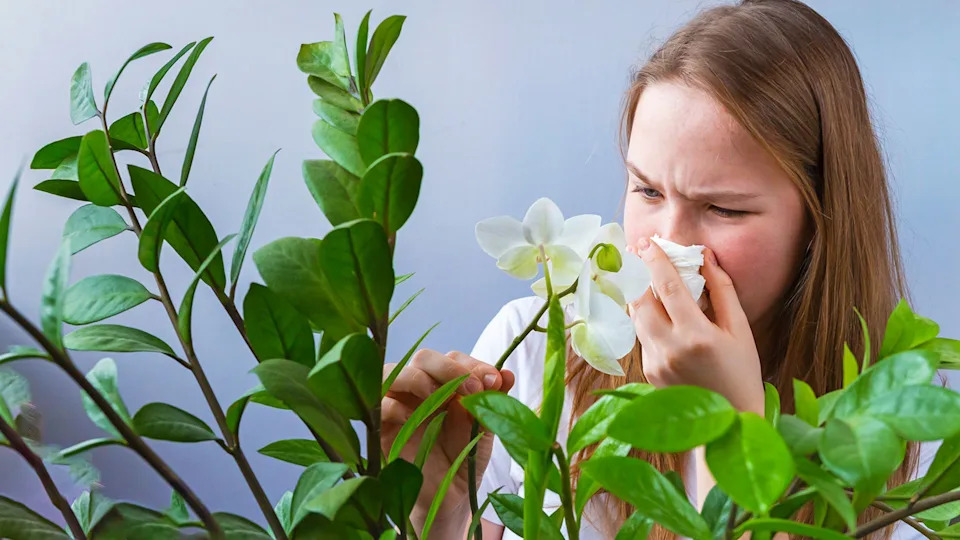
The return of potted chrysanthemums and weeping figs from summer patios is quietly driving a seasonal surge in indoor respiratory irritation across U.S. households this October.
As outdoor temperatures drop, homeowners seal windows and reactivate central heating systems, fundamentally altering indoor air chemistry. The Environmental Protection Agency notes that Americans spend roughly 90% of their time indoors, where pollutant concentrations can be two to five times higher than outside. When plants are relocated inside during autumn, they introduce fresh biological material into an environment that has suddenly lost its natural ventilation.
Furnace startups compound the issue. Initial heating cycles aerosolize dust mite debris, pet dander, and particulate matter that accumulated in ductwork over the summer. Without open windows to dilute these airborne irritants, the respiratory burden on sensitive individuals rises sharply. Swapping HVAC filters before the first cold night remains one of the most effective interventions for managing this transition.


Five common houseplants present specific allergenic risks once confined indoors:
**Weeping Fig (Ficus benjamina)**
The most documented allergenic houseplant produces a milky sap containing proteins that cross-react with natural rubber latex. These proteins do not remain confined to the plant tissue; they settle into surrounding household dust, creating passive exposure even when the plant is untouched. Individuals with known latex allergies face elevated risks and should use nitrile or other latex-free gloves during pruning.
**Potted Chrysanthemums**
Brought inside primarily as seasonal decor, mums carry sesquiterpene lactones on their petals and leaf hairs. Because chrysanthemums belong to the Asteraceae family—alongside chamomile, ragweed, and feverfew—people allergic to those plants frequently experience contact dermatitis when handling mums. Rashes typically originate on the fingertips during deadheading.
**Peace Lily (Spathiphyllum wallisii)**
Unlike many tropical plants that fail to bloom indoors, peace lilies regularly flower in climate-controlled rooms. The pale spadix inside the white spathe releases fine pollen. Removing spent blooms promptly and relocating flowering specimens out of bedrooms limits overnight inhalation exposure.
**Yucca (Yucca gigantea)**
Often dismissed as purely structural foliage, yucca has triggered positive skin-prick tests in patients with allergic rhinitis. Occupational handlers have developed hives from contact. The plant’s rigid, elongated leaves act as extensive dust traps, requiring regular damp-cloth wiping rather than dry dusting, which merely redistributes allergens and potential spider mites.
**English Ivy (Hedera helix)**
Clinical skin testing consistently ranks English ivy among frequent sensitizers. The plant contains falcarinol, a polyacetylene compound capable of inducing allergic contact dermatitis. Irritation usually follows manual handling of runners. Specimens returning from outdoor summer placement require thorough rinsing to remove external mold spores and pests before re-entering living spaces.
Overwatering drives a secondary, often misdiagnosed allergy vector: soil mold. As daylight hours shorten in fall, plant metabolic rates and transpiration slow significantly. Watering schedules calibrated for July leave potting mix chronically saturated by October. This moisture supports the growth of fungi such as Aspergillus fumigatus. While studies indicate airborne spore counts remain low unless the soil is actively disturbed, visible white mycelial mats signal excessive moisture. Scraping contaminated topsoil outdoors and allowing the upper inch of substrate to dry completely between waterings disrupts fungal colonization. Emptying drainage saucers prevents stagnant water accumulation.
HEPA-rated air purifiers effectively capture suspended pollen and fine dust but cannot remediate allergens settled directly on leaf surfaces. Physical removal via damp microfiber cloths or brief sink rinses—conducted early in the day to allow foliage to dry before evening temperature drops—addresses surface contamination directly.
For residents seeking greenery without the respiratory risk, botanists recommend species lacking milky sap, fuzzy trichomes, or indoor flowering habits. The parlor palm (Chamaedorea elegans) offers dense foliage without problematic sap and carries ASPCA recognition as non-toxic to cats and dogs. Peperomia obtusifolia, despite its “baby rubber plant” nickname, belongs to the Piperaceae family and produces no latex-like compounds. Its thick, smooth leaves resist dust accumulation. The cast iron plant (Aspidistra elatior) tolerates low light and infrequent watering while rarely blooming indoors, minimizing both pollen and mold vectors.
Allergists advise against discarding plants based solely on seasonal sneezing. Persistent symptoms extending through mid-October warrant clinical evaluation. Board-certified allergists can administer specific IgE blood tests or targeted skin-prick panels to isolate whether a reaction stems from a particular houseplant, residual outdoor ragweed pollen tracked indoors, or baseline dust mite proliferation triggered by autumn heating cycles.