

Google acquired Waze in 2013 for roughly $1 billion, yet the two mapping services maintain distinct identities. While Google Maps emphasizes comprehensive geographical data, transit routes, and local business indexing, Waze remains focused on real-time crowdsourced alerts, pulling hazard warnings, speed traps, and traffic congestion directly from active drivers. Tucked beneath that reporting dashboard lies a suite of lesser-known tools designed to streamline commutes, diagnose system glitches, and customize navigation.
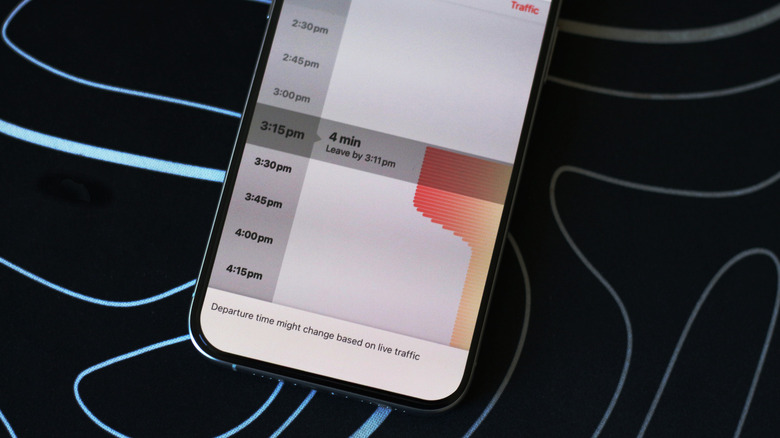
Predictive trip scheduling stands out among the platform’s most functional overlooked tools. Instead of relying solely on immediate directions, drivers can calculate departure windows by selecting the Leave later prompt during a route query. The tool charts historic traffic data in 15-minute intervals, advising motorists on the exact time to depart to hit specific arrival windows. Syncing a personal calendar to the app automates this further, importing addresses tied to upcoming appointments directly into the trip planner.


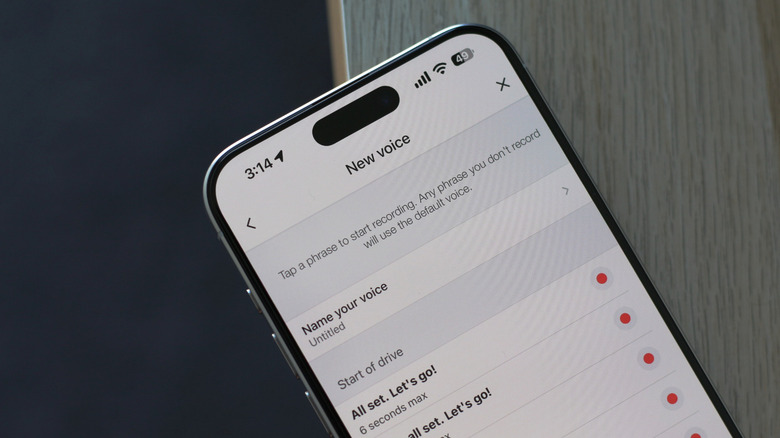
Personalization settings also extend far beyond selecting standard voice presets or map icons. Through the audio configuration menu, drivers can record custom voice packs that overwrite standard turn instructions with their own recorded speech or audio from family members. Creating a complete set requires recording up to 39 prompts, with clips capped at six seconds each. Missing recordings simply fall back to default robotic directions, though recording the entire catalog prevents abrupt shifts between voices during transit.
Routing can also bypass manual address entry through direct contact book syncing. Activating the option under the friends and family directory allows the app to pull home addresses associated with contacts stored on the device. Users cautious about mobile privacy can revoke the permission through device operating system settings: iOS handles this via the Contacts sub-setting, while Android users toggle off permissions under system application management.
For deeper interaction, Waze maintains functional developer commands accessible through the standard search bar. Entering special strings functions like traditional software toggles. Typing ##@morph immediately provides an exclusive monster icon for profile avatars. On the utility side, inputting ##@cctts wipes the text-to-speech cache, providing an immediate fix when voice directions experience stuttering or fail to load during active navigation.



