

A $579 inner-screen module replacement for the Galaxy Z Fold8 represents one of the steepest repair bills in consumer electronics. Yet the mechanical failures driving those costs rarely stem from worn-out hinges. Dust intrusion, debris trapped between displays, and forced closures cause the vast majority of premature foldable breakdowns.
Samsung Display recently confirmed that the OLED panel inside the Galaxy Z Fold7 survived 500,000 folds during a 13-day Bureau Veritas test conducted at 77 degrees Fahrenheit. That figure translates to more than a decade of use at 100 folds per day. The critical detail often lost in marketing materials is that this certification applies exclusively to the flexible display panel. It does not cover the interlocking metal gears, flex cables, or structural adhesives holding the device together. Those components face constant environmental stress that laboratory folding machines do not replicate.
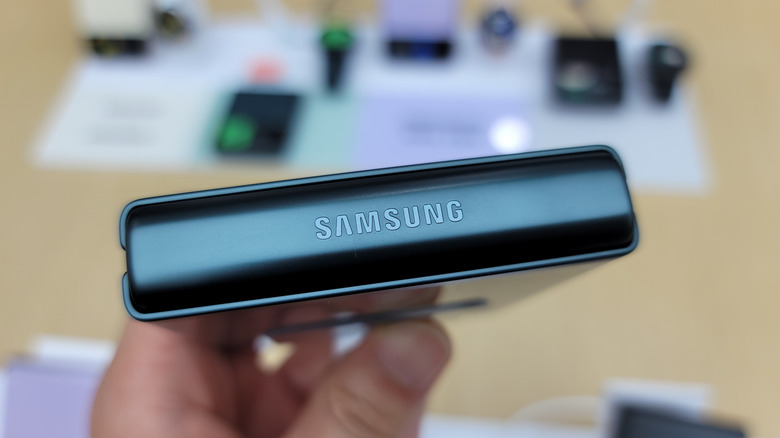


The ingress protection ratings on current devices explain why grit remains the primary threat. Both the Galaxy Z Fold8 and Z Flip8 carry IP48 certifications. The first digit indicates resistance to solid objects measuring 1 millimeter or larger. Unlike the IP6X rating found on traditional slab phones such as the iPhone 16 Pro or standard Galaxy S series, an IP4X rating offers no guarantee against fine particulate matter. Sand, pocket lint, and drywall dust can bypass these seals and lodge directly inside the mechanical assembly.
Motorola explicitly warns owners that dust accumulation shortens hinge lifespan and threatens the internal display. The company advises inspecting the crease area before closing the device and cautions against using pressurized air dusters, which can force microscopic particles deeper into the chassis or damage the ultra-thin glass covering the OLED layer.
Hardware design shifts are reducing how often users need to expose the hinge mechanism. Book-style devices like the Pixel 10 Pro Fold, which utilizes a gearless hinge architecture engineered by Google to withstand over 10 years of actuation, handle most notifications and quick tasks while closed. Clamshell models have followed suit. The Razr+ 2026 features a 4-inch external display capable of running full applications without requiring the user to open the phone, effectively eliminating hundreds of unnecessary daily cycles.
When mechanical wear does occur, the warning signs are physical rather than numerical. Motorola notes that baseline clicking sounds are normal for multi-linkage hinges. However, increased resistance during opening, failure to lay flat, or new grinding noises indicate foreign material interference or component fatigue. Forcing the device shut under these conditions risks cracking the display substrate or severing the ribbon cables bridging the two halves of the phone.
Repair economics heavily favor prevention. Unlike traditional smartphones where screen replacements typically range from $200 to $350, foldable inner displays require replacing the entire top half of the device, including the battery housed beneath the screen. Samsung currently prices the Galaxy Z Fold8 inner-screen module replacement at $579, excluding labor fees if processed outside warranty coverage. Third-party repair networks remain largely unable to service these assemblies due to proprietary calibration tools required to align the dual-cell batteries and synchronize the hinge tension after reassembly.



