Lawsuit Over Imperial Valley AI Data Center Triggers Fight Over Colorado River Water Rights
A proposed $10 billion computing facility in Southern California faces resistance over its plans to swap agricultural water for tech cooling.
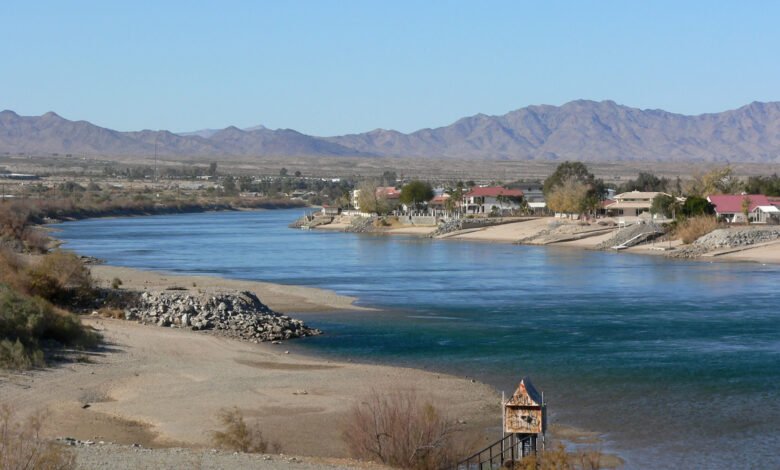
A legal dispute in Southern California has brought the expanding water footprint of artificial intelligence infrastructure into direct conflict with agricultural water allocations along the Colorado River. Imperial Valley Computer Manufacturing (IVCM) has filed a lawsuit against the Imperial Irrigation District (IID) after the public utility denied water access for a proposed $10 billion data center complex.
The developer, Sebastian Rucci, intends to build a 950,000-square-foot, 330-megawatt facility designed to power AI workloads. To maintain operational temperatures, the data center would consume approximately 750,000 gallons of water daily, amounting to roughly 287 million gallons—or 880 acre-feet—each year.
To meet these cooling demands without drawing fresh supply from the region, IVCM proposed leasing 160 acres of surrounding farmland and ceasing irrigation, thereby transferring the agricultural water entitlement directly to the industrial facility. Rucci contends that this fallowing strategy would yield a net-zero increase in total regional water demand.
However, the Imperial Irrigation District rejected the application, highlighting the complex legal framework governing water in the desert basin. In the Imperial Valley, water rights are held in trust and administered by the IID on behalf of the public, rather than belonging outright to individual private landowners. Critics and local officials fear that allowing private agricultural transfers for industrial computing could establish a precedent that erodes public control over vital resources, diverting water away from the agricultural ecosystem that sustains local farmworkers, supply chains, and processing operations.
The dispute comes at a critical juncture for the western United States. The Colorado River serves as the sole freshwater source for the Imperial Valley while supplying between 35 million and 40 million people across seven basin states and Mexico. With major reservoirs facing historical declines from prolonged drought and weak runoff, the U.S. Bureau of Reclamation and federal authorities are preparing new operating rules for the river system.
Despite holding an annual entitlement of 3.1 million acre-feet—the largest single entitlement on the river—the Imperial Valley faces growing pressure to conserve. IVCM’s requested 880 acre-feet represents roughly 0.03 percent of the district’s total annual allocation.
Local economic conditions complicate the debate. Imperial County recorded an unemployment rate of 17.6 percent in June, among the highest in California. IVCM claims the project would generate 1,688 construction jobs, over 100 permanent positions, and nearly $3 billion in economic impact over 30 years. In response to increasing interest from tech developers, Imperial County recently imposed a temporary moratorium on new data center projects while a commission reviews regulatory frameworks.
The legal battle mirrors broader international resistance to data center resource demands. In Georgia, residents have blamed facilities for municipal water issues, and a Fayette County facility consumed 29 million gallons prior to billing. In Virginia, rapid industrial growth has driven up water consumption, while facilities in Chile face blame for exacerbating a long-term drought. In Cheyenne, Wyoming, wastewater from an unfinished Meta project introduced a rare bacterium into the municipal reclaimed-water system.