BitMart to Cease Operations After Nine Years as BMX Token Plunges 80 Percent
The centralized crypto exchange will halt trading in August and close fully by 2027, highlighting a growing wave of consolidation across trading venues.

Centralized cryptocurrency platform BitMart has initiated a gradual winding down of its global operations after nine years of activity, adding to a growing wave of exchange exits across the digital asset sector.
The company suspended new user onboarding, deposits, and order placements starting Sunday at 01:30 UTC. According to its phase-out schedule, all spot and derivatives trading activities will terminate on August 26, while the platform will completely cease operations on January 31, 2027.
While user withdrawals remain active, BitMart cautioned that account settlement procedures may experience delays. Platform administrators cited mandatory compliance verifications—including sanctions screening, identity validation, device checks, and source-of-funds reviews—as potential friction points as traders move to extract funds.
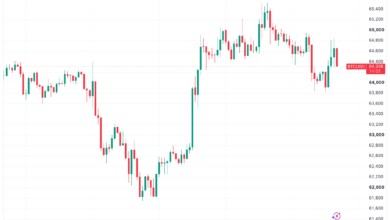
The closure announcement triggered a sharp sell-off in BitMart’s native utility token, BMX. Data from market tracking platform CoinGecko indicates BMX tumbled 81% over a seven-day period to $0.057, eroding the token’s aggregate market capitalization to approximately $19.5 million.
BitMart attributed its operational exit to a combination of internal strategic directions, shifting market conditions, and challenging operating environment dynamics. The move occurs during a turbulent period for mid-sized cryptocurrency exchanges facing heightened regulatory compliance requirements and shifting liquidity landscapes.
This decision marks the second high-profile exchange shutdown announced within a single week. Days prior, perpetual futures trading platform BitMEX revealed plans to wind down its services following 11 years in operation. The consecutive exits point to escalating structural pressures on long-standing trading hubs.
Commenting on the broader shift, Roshan Dharia, chief executive officer of investment firm Echo Base, observed that the sector is entering a phase of pronounced market consolidation. Dharia emphasized that digital asset firms navigating these headwinds must identify pressure points early, execute decisive adjustments, and secure necessary capital structures before operational choices contract.
Security challenges have also historically weighed on the platform. In December 2021, BitMart suffered a major security compromise when unauthorized actors exploited administrative hot wallets, draining roughly $196 million in crypto assets. Although the venue ultimately absorbed the losses and reimbursed affected account holders, maintaining financial reserves while covering operational and security overhead presents persistent friction for non-dominant trading venues.