The CASHCAT Paradox: Robinhood Chain’s Memecoin Mania Outshines Its RWA Ambitions
As the CASHCAT memecoin outpaces the RWA market by 12x, Robinhood's leadership reevaluates the role of speculative assets on its new chain.
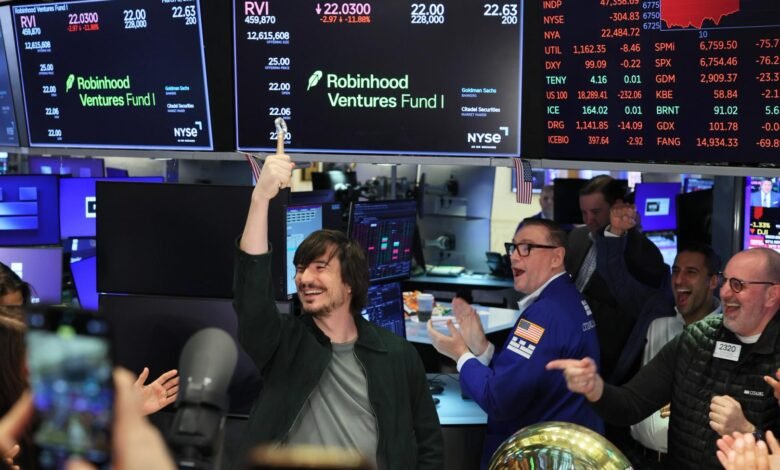
When Robinhood first signaled its deeper foray into the decentralized world, the narrative was centered on utility, institutional-grade infrastructure, and the burgeoning sector of tokenized real-world assets (RWAs). However, the early reality of the Robinhood Chain suggests that the “degen” spirit of the crypto market is currently moving faster than the institutional vision. Despite the strategic focus on bringing traditional financial instruments onto the blockchain, tokenized real-world assets currently account for just $12.66 million in active Market Capitalization on the network.
While the RWA sector—often touted as the “killer app” for institutional blockchain adoption—struggles to find its footing, the network has seen a massive surge in speculative volume. This activity was largely driven by memecoin traders who flocked to a new token called CASHCAT. Named after Robinhood’s former company mascot, the token tapped into a vein of brand nostalgia and speculative fervor, rallying by more than 2,100% in its first week of existence.
At its peak, CASHCAT briefly reached a $156 million market capitalization. To put that into perspective, the valuation of this single feline-themed meme was 12 times larger than the chain’s entire tokenized real-world asset market. This disparity highlights a recurring theme in the broader blockchain ecosystem: while the long-term goal is the migration of trillions of dollars in global assets to the chain, the short-term fuel is almost always retail-driven speculation.
The meteoric rise of CASHCAT also serves as a case study in the fragility of early-stage on-chain ecosystems. Memecoins are volatile and hype-driven by nature, often lacking durable growth or underlying utility. This inherent lack of sustainability was laid bare on Wednesday when Noxa, the token launcher responsible for spawning CASHCAT, announced it had stopped operating. While Noxa stated it was directing all revenue to creators, the sudden exit of a key infrastructure provider underscores the risks of building momentum around ephemeral trends. While the shutdown does not determine the ultimate fate of Robinhood Chain, it serves as a sobering reminder of how quickly liquidity and interest can evaporate when the hype cycle turns.
The situation has also created a notable rhetorical pivot for the company’s leadership. On July 2, Robinhood CEO Vlad Tenev told CNBC that memecoins were essentially a “dead end”—describing them as assets with no utility that serve no practical purpose. However, the market had other plans. Just six days later, after witnessing the explosive success of CASHCAT and the resulting stress-test of the network, Tenev posted on social media that Robinhood Chain “works great for memes too.”
This apparent contradiction reflects the delicate balancing act fintech giants must perform when entering the permissionless world of Web3. When asked about the shift in tone, the company opted for a broader perspective on network health rather than addressing the memecoin utility debate directly. “The early activity on Robinhood Chain is exciting: developers are building, users are engaging, and the chain is performing as designed,” said Lee, a spokesperson for the company.
For Robinhood, the challenge moving forward will be converting this initial burst of speculative energy into a sustainable environment for the more complex financial products they originally envisioned. While CASHCAT may have provided the network with its first major stress test, the path to a multi-billion dollar RWA market remains a longer, more arduous climb.