Global De-risking Pressures Bitcoin as Geopolitical and Macro Headwinds Mount
Rising oil prices and institutional sell-offs test $60,000 support.
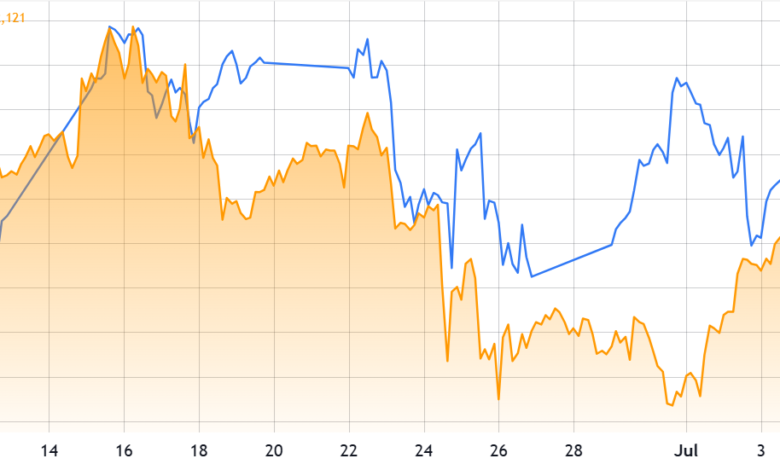
Bitcoin’s resilience is facing a critical test as a confluence of geopolitical instability and shifting central bank expectations triggers a broad retreat from risk assets. The cryptocurrency fell 3.5% on Wednesday, struggling to maintain its footing above $62,000 after a failed attempt earlier in the week to reclaim the $64,500 level.
The primary catalyst for the current market cooling stems from escalating tensions in the Middle East. Following US strikes on Iranian sites, Brent crude oil prices surged to $74 per barrel. This spike in energy costs has complicated the global inflationary outlook, prompting traders to reassess the trajectory of the Federal Reserve. According to the CME FedWatch Tool, markets are now pricing in a 69% probability of interest rate hikes by September, a sharp increase from 42% just one month ago.
Historically, Bitcoin has been marketed by proponents as “digital gold,” a hedge against traditional market volatility. However, its recent correlation with the Nasdaq-100 suggests it remains tethered to the same liquidity conditions as high-growth tech stocks. When global de-risking occurs, Bitcoin often experiences the same exit pressure as speculative equities.
Adding to the macro-economic strain is a significant shift in the Japanese debt market. Yields on 10-year Japanese government bonds reached a 30-year high as Tokyo considers adjusting the central bank’s mandate to prioritize economic growth. As Japan remains the largest foreign holder of U.S. Treasuries, any volatility in its domestic bond market risks spilling over into global credit markets, further dampening the appetite for volatile assets like Bitcoin.
Internal crypto market dynamics are providing little relief. Strategy, a major institutional holder, disclosed in 8-K filings on Monday that it sold $216 million in Bitcoin. The sale caught investors off guard, as it occurred outside the firm’s established $1.25 billion Monetization Program. With $3.8 billion in convertible debt and substantial annual dividend requirements, the prospect of persistent selling pressure from the company has weighed on sentiment.
The regulatory environment is also tightening. Internal documents from India’s central bank indicate a renewed push to prohibit cryptocurrency activities entirely, citing risks to financial stability. This stance by the Reserve Bank of India mirrors a broader trend of sovereign caution that continues to limit the entry of institutional capital into the space.