The Defense Shield: How Erdoğan’s Military Utility Silences Western Criticism
Turkey's military exports and diplomatic mediation provide a buffer against Western pressure.
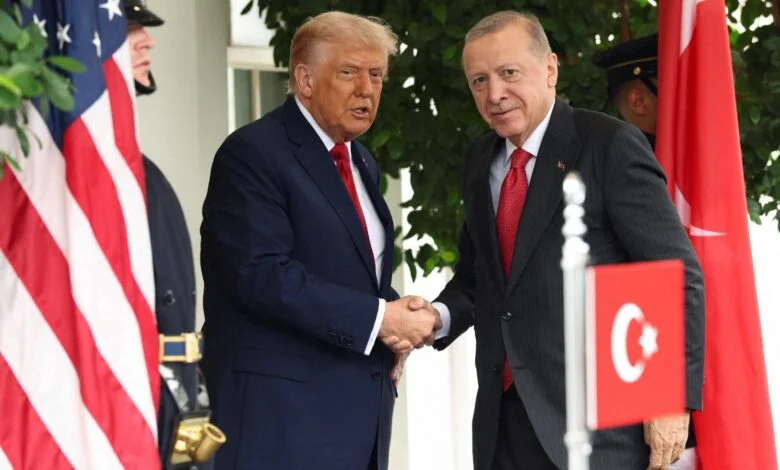
The upcoming NATO summit in Turkey serves as more than a routine security gathering; it marks the consolidation of Recep Tayyip Erdoğan’s role as an indispensable, if controversial, pillar of the alliance. President Donald Trump recently signaled the depth of this alignment during an Oval Office meeting, suggesting his attendance at the annual meeting was contingent on its Turkish venue. This rapport is not merely personal but rooted in a calculated shift where Turkey’s military utility now outweighs Western concerns over domestic repression.
While the Biden administration maintained a disciplined distance from Ankara, the return of Trump’s transactional diplomacy has refocused the relationship on Turkey’s growing status as a defense industry powerhouse. Turkish-made Baykar drones, which gained international acclaim for neutralizing Russian armored columns in Ukraine, are now exported to over 33 countries. This industrial reach extends into the United States, where a Turkish firm has outfitted a Texas facility that stands as a primary supplier of rare artillery shells for the Pentagon.
This military integration provides Erdoğan with a strategic buffer. Despite the Countering America’s Adversaries Through Sanctions Act (CAATSA) previously imposed due to Turkey’s purchase of the Russian S-400 missile system, the conversation in Washington has shifted. According to the Wall Street Journal, discussions are now underway regarding Turkey’s potential return to the F-35 fighter jet program, a move once deemed impossible by U.S. lawmakers.
The silence from Western capitals regarding Turkey’s internal affairs is conspicuous. Since the 2023 elections, Turkish authorities have intensified a legal campaign against the political opposition, including the imprisonment of Istanbul Mayor Ekrem İmamoğlu. In previous years, such moves would have triggered sharp rebukes from Brussels and Washington. Today, the necessity of Turkey as a diplomatic mediator in the Middle East and a bulwark in the Black Sea has muted the defense of political freedoms.
Erdoğan has successfully leveraged his unique position to manage the volatility of the alliance. By maintaining ties with both Moscow and Kyiv—building warships for the Ukrainian fleet while hosting peace talks—Ankara has made itself essential to the current security architecture. Sinan Ulgen, a former Turkish diplomat, noted that Erdoğan’s ability to contain Trump’s skepticism toward NATO may be his most significant contribution to the alliance’s stability.
The geopolitical reality is that Turkey’s second-largest standing army in NATO and its burgeoning role as a regional arms supplier have created a shield against external pressure. As the defense industry success translates into political capital, the erosion of democratic norms in Turkey remains a secondary concern for an alliance focused on the immediate threats of Russia and Iran.