Behind Warren Buffett’s $140 Billion Fortune Transfer: Tax Strategy vs. Philanthropic Accountability
How the billionaire's massive stock transfer bypasses up to $56 billion in taxes while challenging standard wealth warehousing practices.
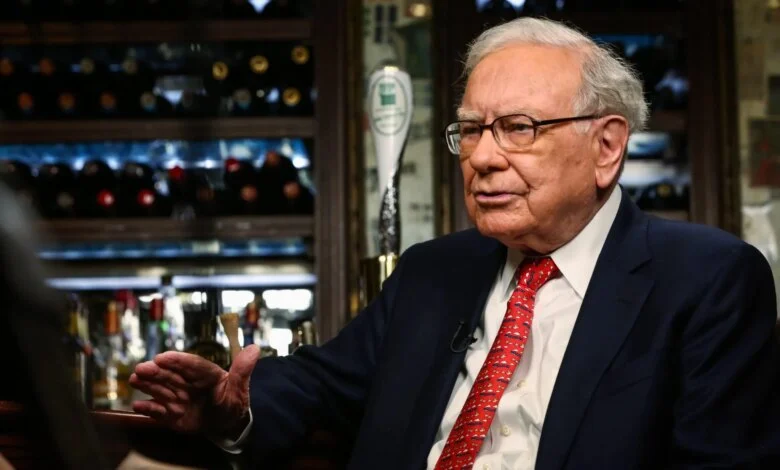
Warren Buffett‘s decision to transition $140 billion of his Berkshire Hathaway fortune into family-run charitable foundations has ignited a sharp debate over the intersection of billionaire philanthropy, tax avoidance, and public accountability. While some critics quick to react on platforms like CNBC questioned whether the massive transfer was a rapid maneuver to dodge the Internal Revenue Service, tax policy experts and philanthropic advisors suggest the reality is far more nuanced.
The financial scale of the tax avoidance is undeniable. By transferring highly appreciated Berkshire Hathaway stock directly to charitable entities rather than liquidating it, Buffett bypasses a substantial tax burden. Under current U.S. tax law, selling these shares would trigger a 20% federal capital gains tax, supplemented by a 3.8% net investment income tax. Because Buffett acquired his holdings decades ago at a fraction of their current value, virtually the entire $140 billion represents taxable profit.
Allison Tait, a law professor at the University of Richmond specializing in wealth transfer, estimates that this philanthropic strategy spares Buffett a tax bill ranging between $33 billion and $56 billion. Additionally, the transfer removes the assets from his taxable estate, eliminating exposure to the federal estate tax.
However, experts emphasize that these tax savings are a standard feature of American philanthropy rather than a sudden loophole exploit. Charitable exemptions have been deeply embedded in the U.S. tax code since the Revenue Act of 1918, which established that transfers to qualified charities are exempt from estate and gift taxes. Furthermore, the legislative landscape offers little incentive for a rushed transfer; the One Big Beautiful Bill Act of July 2025 made the individual estate tax exemption permanent at $15 million, effectively reducing any immediate regulatory pressure on ultra-wealthy estates.
This tax-minimization strategy does highlight a long-standing philosophical contradiction for the billionaire. Buffett has spent decades publicly advocating for a robust estate tax to curb what he terms “dynastic wealth.” During a 2007 Senate Finance Committee hearing, he famously warned that hereditary fortunes undermine meritocracy and restrict equal opportunity. While critics point to the irony of his personal tax mitigation, supporters argue he is merely navigating the existing legal framework while advocating for systemic reform.
The more significant distinction in Buffett’s strategy lies not in the tax breaks, but in his choice of philanthropic vehicle. Rather than utilizing donor-advised funds—rapidly growing charitable accounts managed by financial institutions that offer upfront tax deductions with zero annual payout mandates or public disclosure requirements—Buffett opted for private family foundations.
Private foundations are legally bound to file public annual disclosures detailing every grant. They are also subject to a mandatory 5% annual payout threshold. While some critics argue this 5% floor allows foundations to warehouse wealth indefinitely while accumulating untaxed investment gains, historical data shows Buffett’s family organizations operate far beyond the legal minimum.
According to data compiled by Inside Philanthropy, the five-year average annual payout rates for Buffett’s family foundations stand at approximately 41% for the Susan Thompson Buffett Foundation, 59% for the Howard G. Buffett Foundation, and 87% for the Sherwood Foundation. This rapid deployment of capital contrasts sharply with the opacity of donor-advised funds, where wealth can remain shielded from public view and distribution indefinitely.