Egypt Readies Troops for Saudi Arabia as Yemen War Widens
Cairo seeks parliamentary approval to send troops abroad following deadly airstrikes and a Saudi helicopter crash near the Yemeni border.
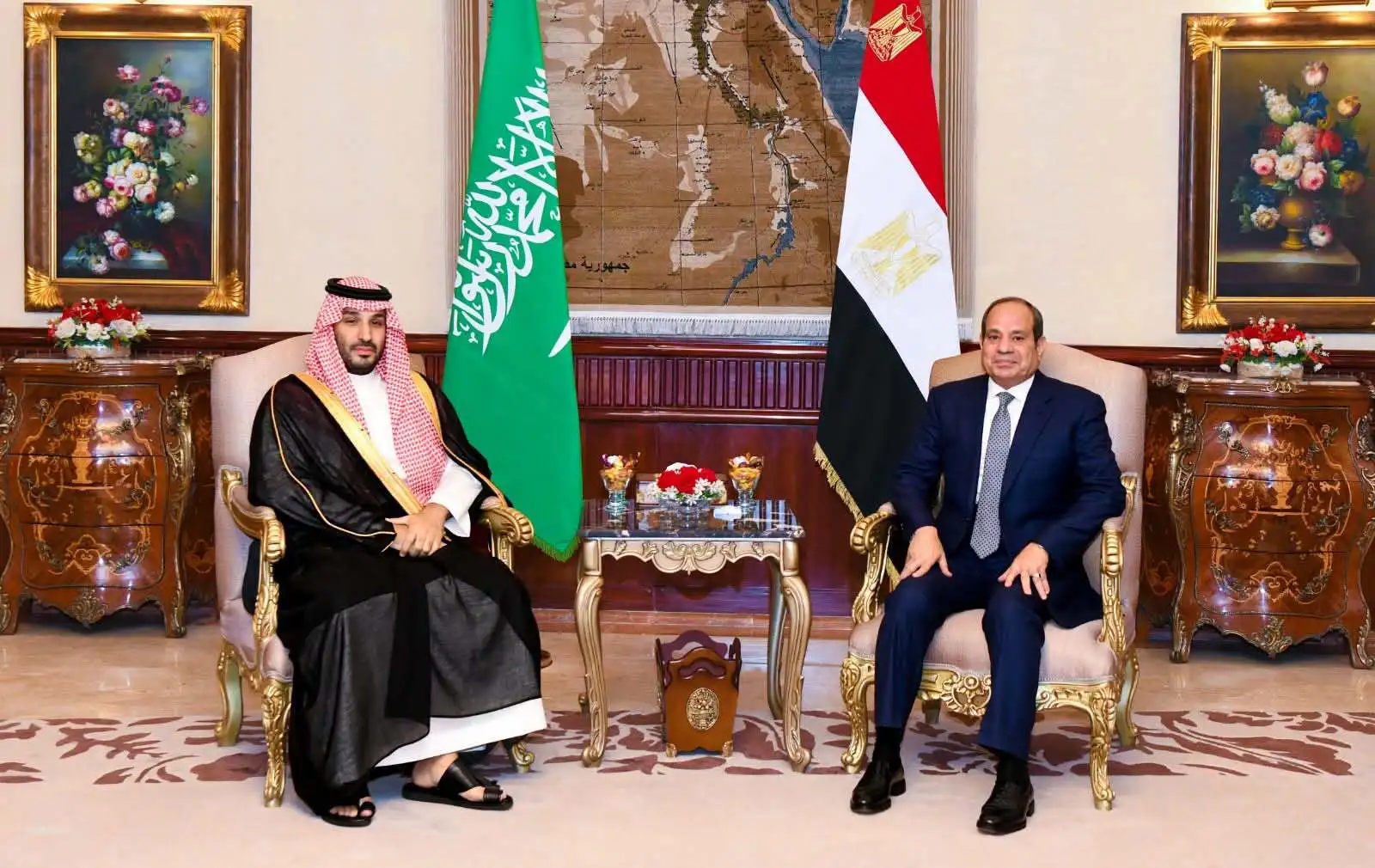
Egypt’s parliament began deliberations Sunday to authorize military deployments abroad, a direct response to President Abdel-Fattah el-Sissi’s pledge to defend Saudi Arabia against escalating Houthi attacks. The move signals Cairo is preparing to enter the widening conflict in Yemen, where an airstrike killed at least nine people this weekend and a Saudi helicopter crashed near the border.
The Egyptian National Defense Council, chaired by el-Sissi, announced it would provide “all possible forms of support” to Riyadh. El-Sissi stated Saturday his government will implement “any measure” to defend the kingdom and formally requested parliamentary authorization to deploy troops and military equipment outside Egypt. Parliament convened Sunday and will continue deliberations Monday, according to the state-run MENA news agency.
This escalation follows the collapse of a four-year ceasefire in Yemen’s civil war. The Houthis, a Shiite religious and political movement rooted in northern Yemen, have intensified strikes against Saudi Arabia because it supports Yemen’s internationally recognized government. A Houthi-run Health Ministry spokesperson, Anees al-Asbahi, said an airstrike hit a house in the Sahar district of Saada province, killing five children and two women while wounding 19 others. Al-Asbahi blamed Saudi Arabia. There was no immediate comment from the Saudi government.


Hours after the Houthis claimed to have shot down a Saudi aircraft, coalition spokesman Maj. Gen. Turki al-Maliki said a Saudi helicopter gunship crashed near Najran due to a technical malfunction, killing its two-member crew. Najran sits close to the Yemeni border in an area caught up in fierce fighting. The Saudis have struggled to counter the latest attacks, even with far superior U.S.-supplied arms.
Iran is simultaneously maneuvering on the diplomatic front. Foreign Minister Abbas Araghchi said Tehran is reviewing Washington’s response to a proposal intended to end the eight-month war. While U.S. President Donald Trump publicly rejected the offer, further indirect messaging has continued. Araghchi previously stated the strait would reopen in a week if the U.S. agreed to lift its blockade of Iranian ports, release frozen Iranian assets and waive sanctions on Iranian oil sales. Under that framework, he said the strait would open on the sixth day and negotiations would begin on the seventh.
Tehran also confirmed Mehrdad Akhlaghi, a longtime official in the defense industry, as its new defense minister. His predecessor, Aziz Nasirzadeh, was killed on the first day of U.S.-Israeli attacks Feb. 28, along with Supreme Leader Ayatollah Ali Khamenei and several senior Iranian military commanders. During a confirmation hearing, Iranian President Masoud Pezeshkian vowed Iran would not yield to external pressure. Akhlaghi warned that any miscalculation from Israel or the U.S. would prompt a “surprising and extensive” response.
Violence tied to the broader regional instability extended into the Israeli-occupied West Bank over the weekend. U.S. Ambassador to Israel Mike Huckabee condemned an attack during an olive harvest in the village of Abu Falah that injured several Palestinians and Washington Post photographer Heidi Levine. Huckabee called it “a despicable act of terror carried out by masked cowards” and demanded a full investigation, arrest, and prosecution. Levine remained hospitalized recovering from hand surgery, broken ribs and other injuries after stating she was forced to the ground and beaten for more than 10 minutes by settlers who stole her camera, passport and phone.
Prime Minister Benjamin Netanyahu condemned “violence against anyone” but referred to the assault as “alleged,” saying its circumstances remain unclear. Israeli police are separately investigating an attack by Israeli settlers on European diplomats Saturday in another West Bank village. Settler violence against Palestinians has soared this year as Israel plans to hold elections Oct. 27. The Washington Post reiterated its call for a full and transparent investigation.