Cinespia Turns 25: Hollywood Forever’s Outdoor Cinema Legacy
Founder John Wyatt reflects on pivoting through the pandemic, restoring cemetery landmarks, and programming the 25th anniversary season.

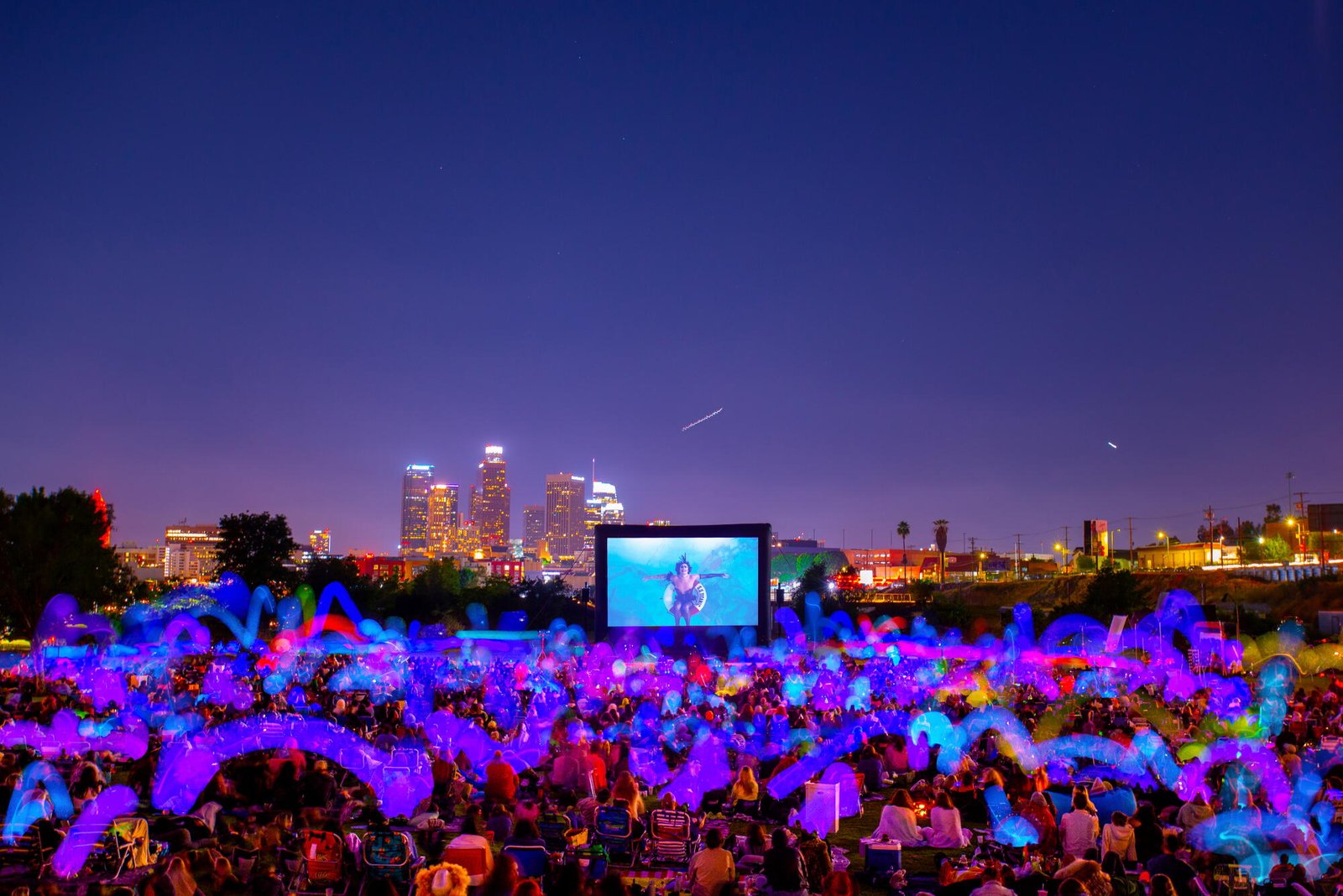
Cinespia opens its 25th summer season at Hollywood Forever Cemetery on May 23 with a screening of Steven Spielberg’s “E.T. the Extra-Terrestrial,” marking a quarter-century since founder John Wyatt transformed a neglected Los Angeles burial ground into one of the country’s most enduring outdoor cinema events. Presented by Amazon MGM Studios, the milestone season arrives as theatrical exhibition nationwide continues to navigate shifting audience habits and post-pandemic attendance patterns.
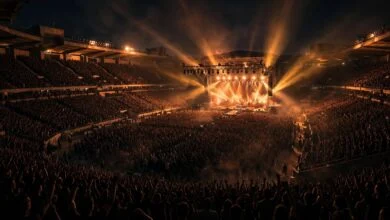
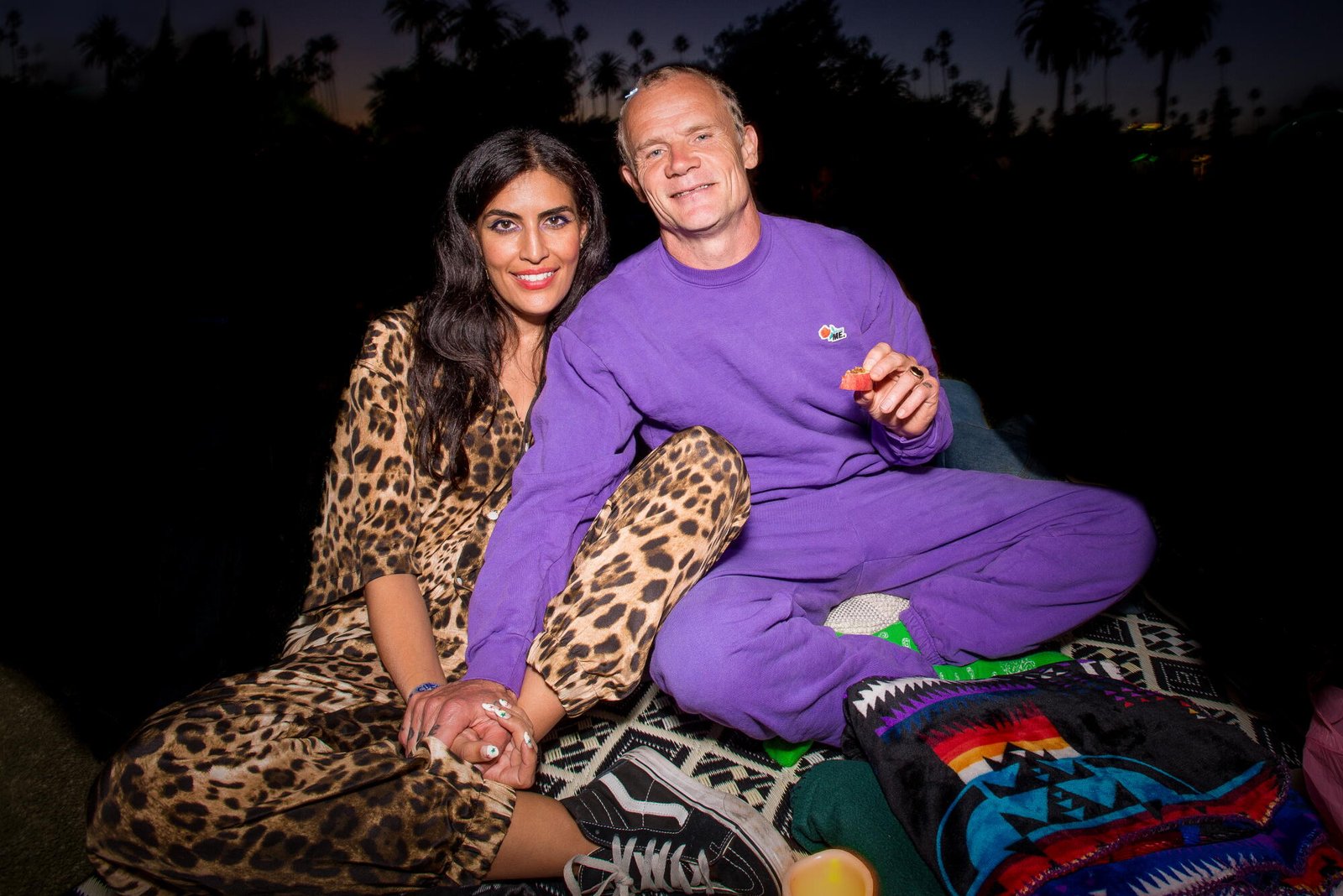
What began in 2002 as an informal gathering for a local film club has expanded into a seasonal operation drawing 4,000 attendees per weekend to the cemetery’s Douglas Fairbanks Lawn. Over 650 films have been projected for more than 1 million people since the first showing of Alfred Hitchcock’s “Strangers on a Train.” Wyatt, who still attends every screening, built the enterprise during a period when Hollywood Forever was under new ownership and actively seeking public programming to revitalize the 62-acre property.



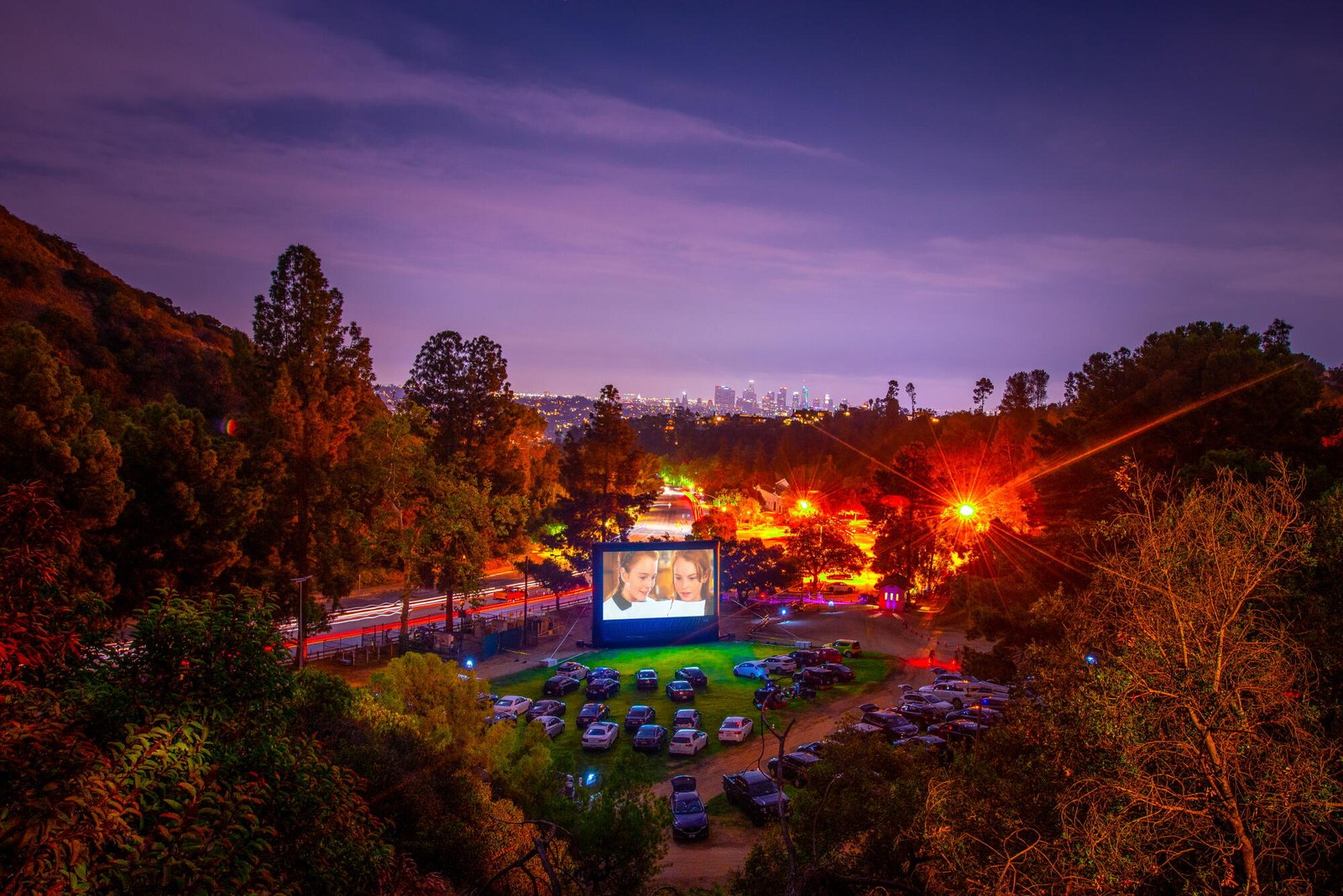
The event’s survival through the pandemic required a complete operational pivot. When city health orders halted gatherings at the cemetery after a final Valentine’s Day screening in early 2020, Cinespia relocated to Griffith Park, staging dozens of drive-in showings where audiences were mandated to remain inside their vehicles. The return to Hollywood Forever in June 2021 marked the end of the only interruption in the organization’s history.
Unlike standard municipal park movie nights or commercial pop-up cinemas that rely heavily on digital projection, Cinespia spent its formative years hauling massive 35mm projectors in trucks for on-site setup. The technical demands of projecting celluloid outdoors—managing humidity, temperature fluctuations, and ambient light pollution from surrounding metropolitan infrastructure—distinguished the production from typical open-air screenings long before digital cinema packages became the industry default.

Music functions as a structural element of the evening rather than background filler. DJs begin playing curated sets the moment the gates open, establishing an atmosphere before any visual media appears. Questlove, Cut Chemist, and Daisy O’Dell have all anchored the sound, operating with broad creative latitude rather than strict thematic constraints tied to the featured film.
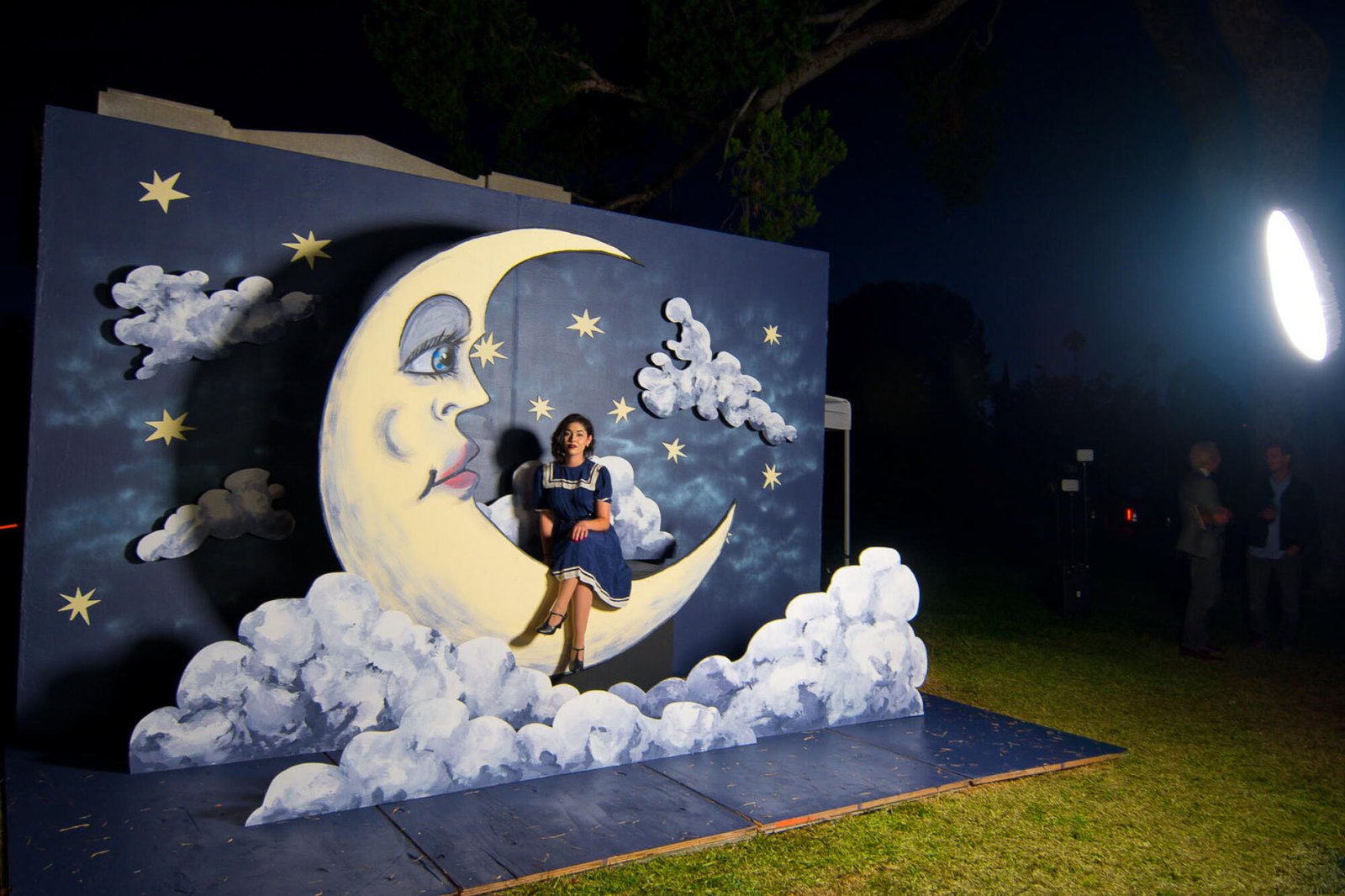
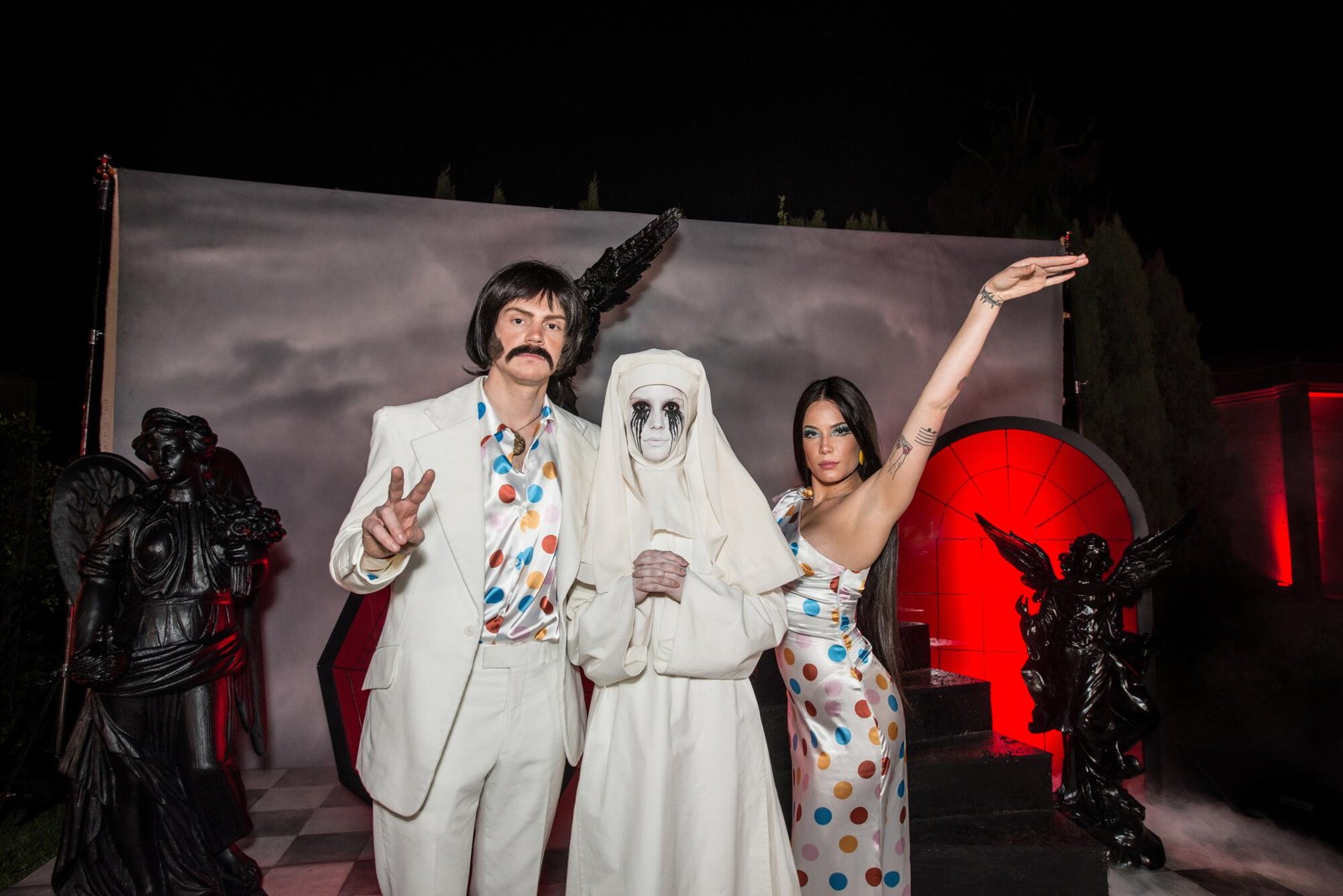
The physical environment has also evolved into an interactive set. Approximately 15 years ago, following a screening of “Saturday Night Fever” where attendees arrived in extensive vintage wardrobe, the production team began constructing temporary, fully lit photo environments. Built and dismantled within a single day by an art crew, these installations now process more than 1,000 guests per event using professional photographers and lighting rigs.
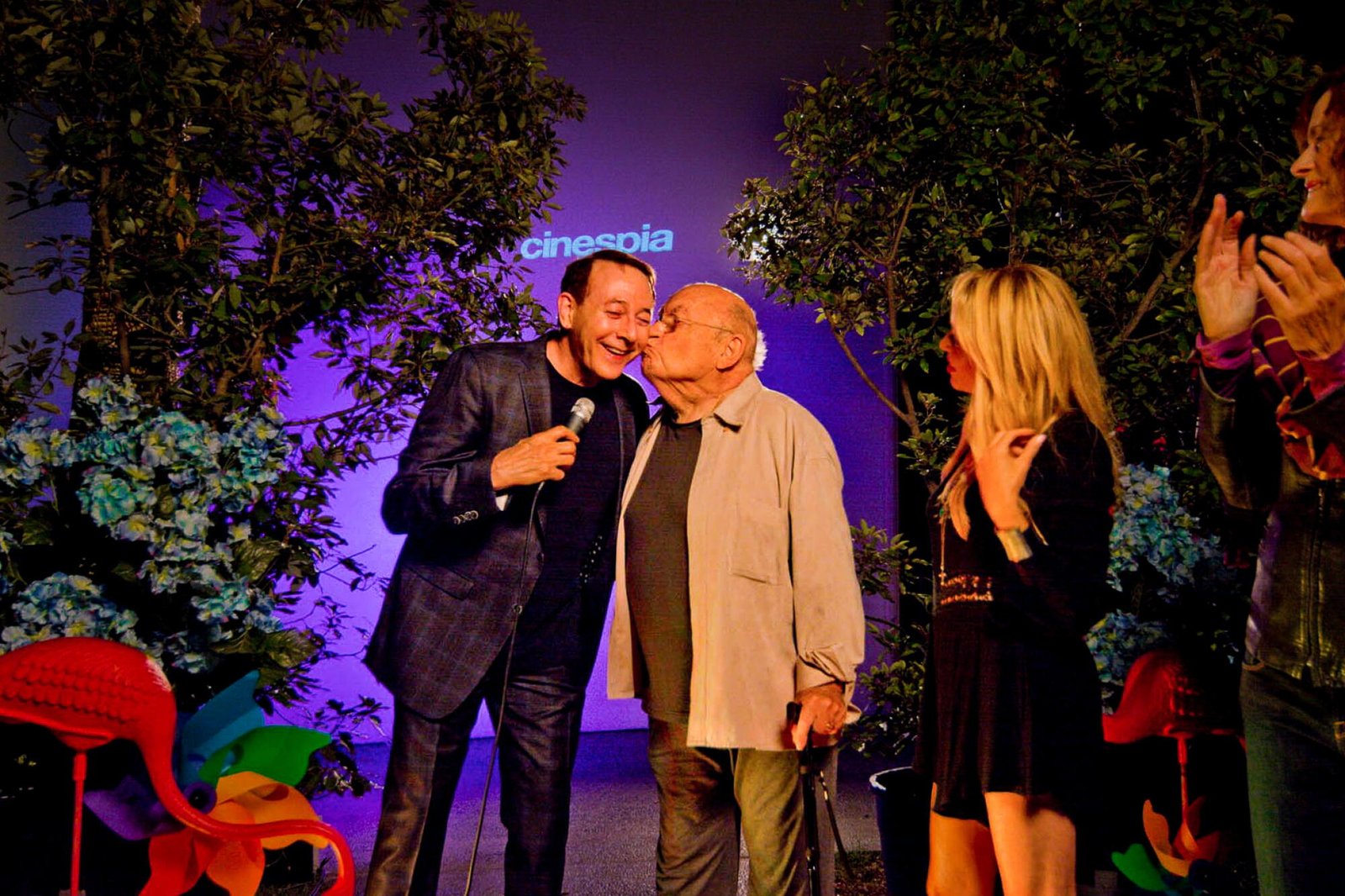
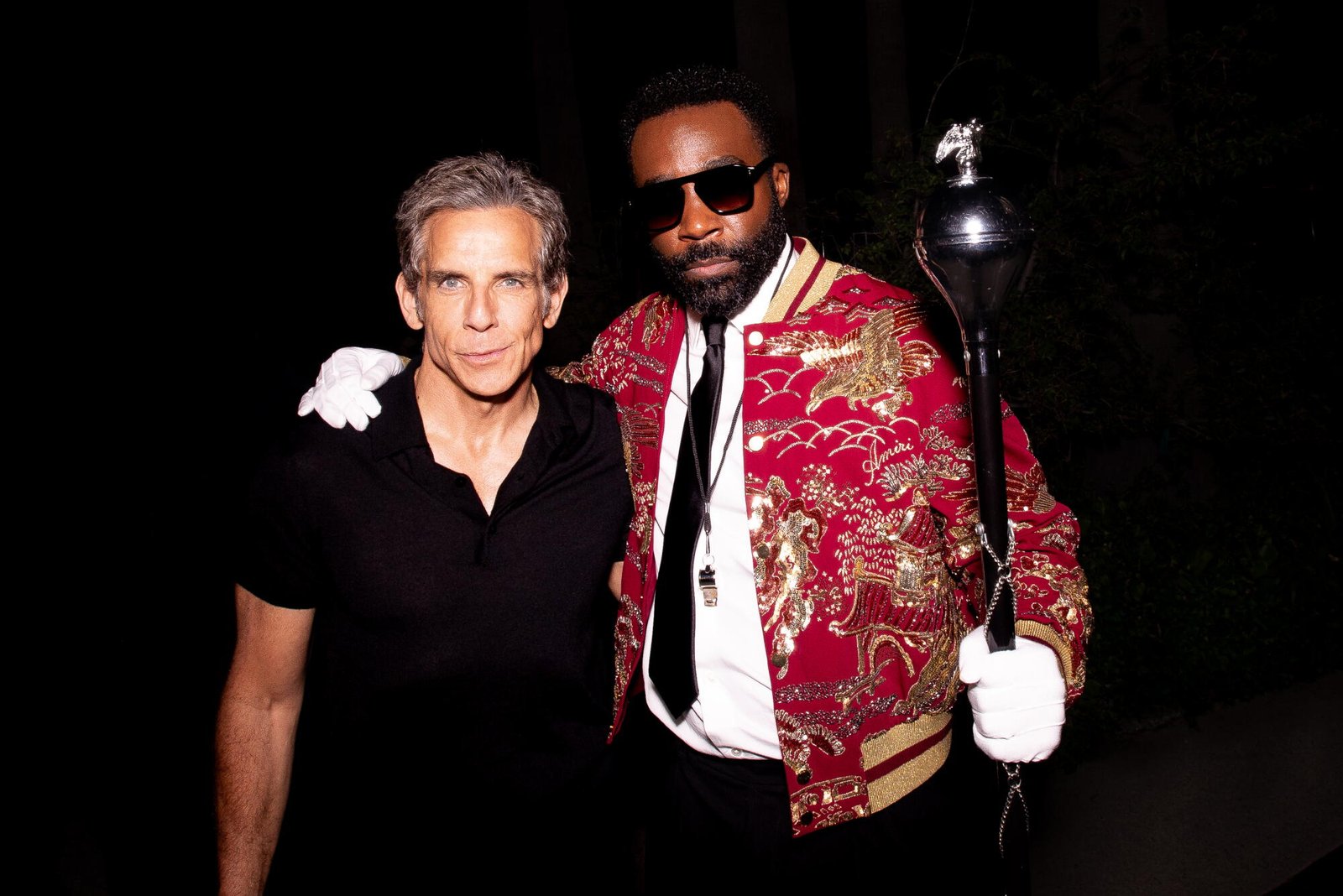
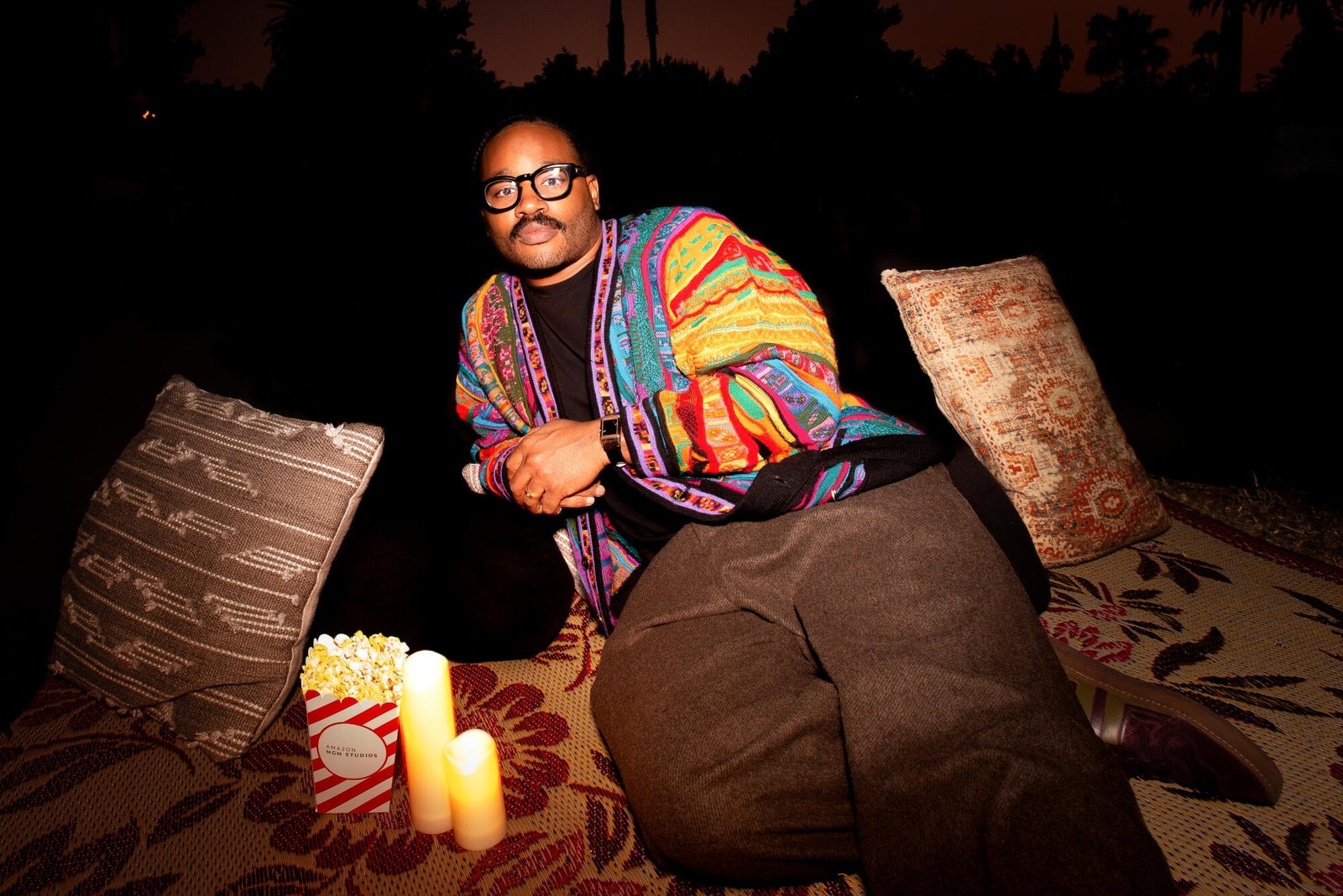
High-profile attendance has remained a constant without altering the crowd dynamic. Ben Stiller, Ryan Coogler, Jordan Peele, Werner Herzog, Drew Barrymore, Harry Styles, Emma Stone, and Stevie Wonder have attended or introduced films. Paul Reubens brought the cast of “Pee-wee’s Big Adventure” for a 30th-anniversary screening in 2015, while Stiller and Tramell Tillman surprised the crowd ahead of “Zoolander” in 2025. Coogler appeared for his film “Sinners” that same year.
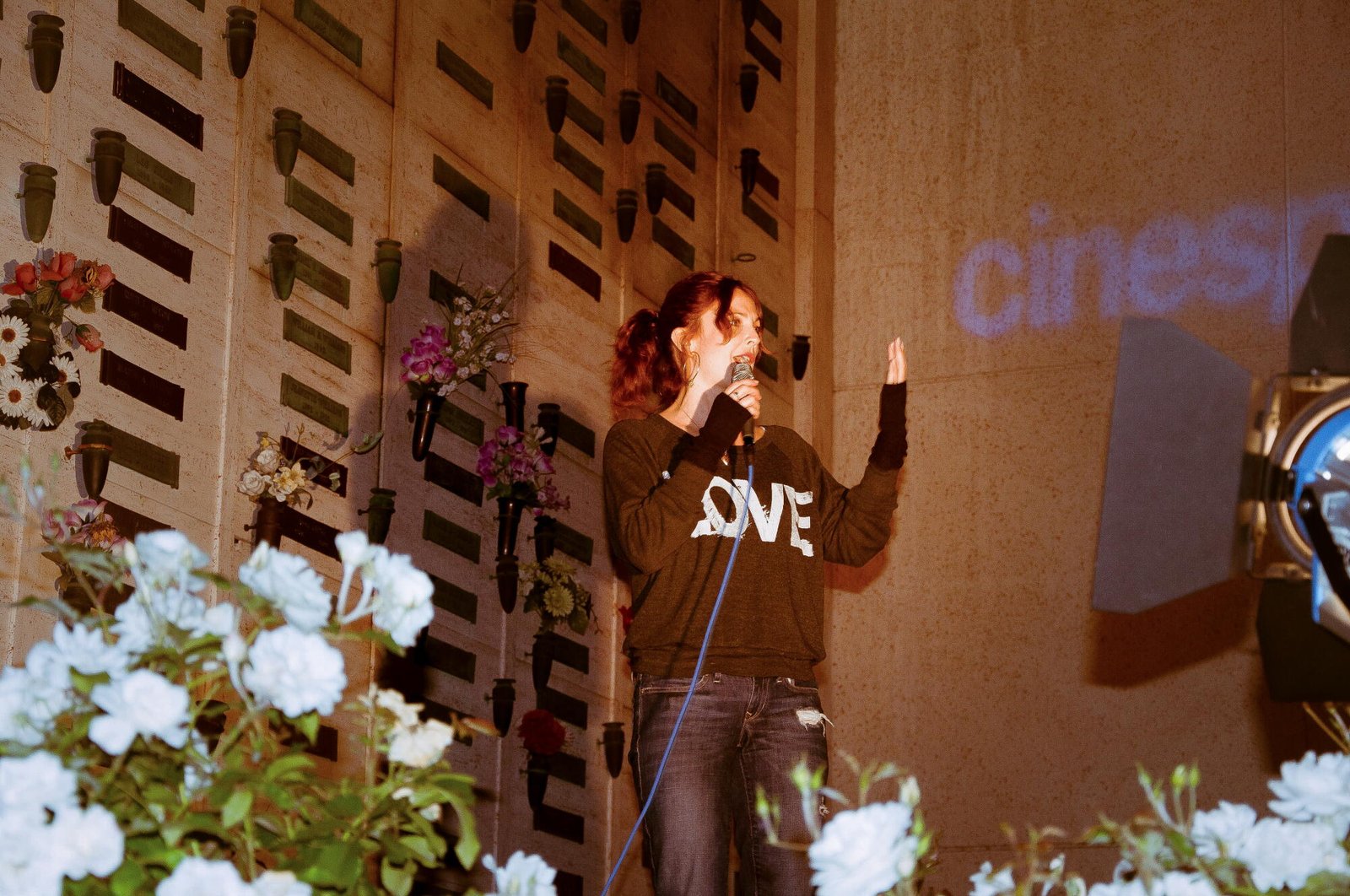
Revenue generated by the screenings historically funded direct restoration of the cemetery itself. Proceeds financed repairs to stained-glass windows, bell tower mechanics, broken monuments, pathways, and lighting systems across the grounds. This financial loop helped transition the property from a deteriorating site into a maintained historical landmark increasingly chosen by contemporary filmmakers and musicians for interment. Director David Lynch, who died in January 2025, is now buried near the screening lawn.

Wyatt deliberately rejected national television exposure early in the organization’s run, turning down an invitation to appear on NBC’s “Today” show during its second season to prevent mainstream media from altering the event’s localized culture. Promotion originally relied entirely on printed mailers featuring film stills sent via the U.S. Postal Service, predating the email marketing infrastructure that later defined independent event promotion in Los Angeles.
Programming decisions balance historical resonance with crowd psychology. Billy Wilder’s “Sunset Boulevard” remains a staple because its narrative explicitly references figures entombed on the property, creating a site-specific viewing experience impossible to replicate in a traditional multiplex. Selection criteria prioritize sustained audience engagement over pure cinephile prestige, with Wyatt noting that shifts in cultural norms over the past two decades have permanently retired certain titles from the rotation while elevating newer releases into classic status.
The 25th anniversary lineup reflects this curatorial approach. Alongside the opening-night presentation of “E.T.,” the season will feature David Lynch’s “Mulholland Drive,” which marks its own 25th anniversary following its 2001 release. The scheduling serves as a tribute to Lynch, whose grave sits adjacent to the venue that has anchored Los Angeles outdoor cinema culture since the early 2000s.