Apple Cider Chicken Marinade: The Science Behind Fall Flavor
Malic acid and natural sugars drive the tenderizing and caramelization process
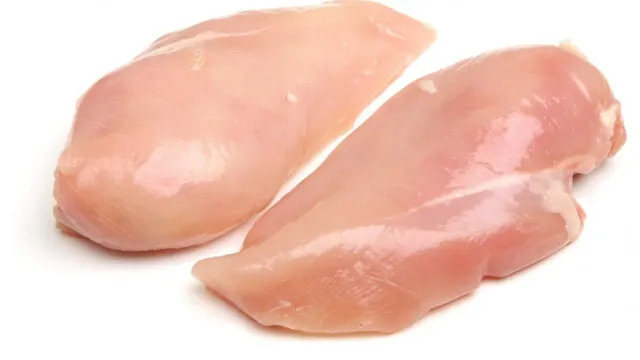
Marinating chicken in apple cider transforms a basic protein into a deeply flavored, caramelized centerpiece through a specific chemical reaction that most home cooks overlook. As autumn drives seasonal ingredient sales across U.S. grocery stores, understanding the mechanics of this technique separates a sweet piece of poultry from a properly balanced dinner.
The effectiveness of an apple cider marinade relies on two simultaneous processes. Malic acid, naturally present in pressed apples, gently denatures the proteins in chicken without turning the meat mushy—a common risk with highly acidic citrus or vinegar-only marinades. Meanwhile, the fructose and glucose in the juice accelerate the Maillard reaction when exposed to high heat, producing a complex, browned crust that dry rubs alone cannot replicate. A two-hour soak provides sufficient time for these reactions to penetrate the outer muscle fibers without over-softening the tissue.
Not all products labeled “cider” perform equally in this application. Fresh, unpasteurized apple cider—sold exclusively in refrigerated sections during the fall harvest window—retains the highest concentration of active enzymes and natural sugars. Shelf-stable versions undergo pasteurization or ultra-high temperature processing, which alters the sugar structure and diminishes the enzymatic tenderizing effect. For cooks relying on bottled options, brands like Red Jacket and Country Acres offer minimally processed alternatives. Trader Joe’s spiced cider introduces mulling spices directly into the liquid, though its added sugar content requires careful heat management to prevent burning during cooking.


Professional kitchens frequently combine fresh cider with apple cider vinegar to manipulate the pH level precisely. Adding oil emulsifies the mixture, ensuring it coats the meat evenly, while garlic, mustard, rosemary, and thyme introduce savory compounds that counterbalance the fruit’s sweetness. Reserving a portion of the unmarinated liquid before introducing raw poultry allows cooks to baste the meat safely during grilling, pan-frying, or roasting without cross-contamination risks.
Beyond poultry, the malic acid profile makes apple cider particularly effective for breaking down tougher cuts of pork. The historical pairing of apples and swine dates back centuries in European and American agriculture, rooted in pigs foraging in apple orchards. This same liquid reduces efficiently into pan sauces or glazes for beef stew, roasted turkey, and ham, where prolonged simmering concentrates the sugars into a syrup-like consistency.
The seasonal availability of fresh cider in the United States aligns directly with the apple harvest, typically peaking between September and November depending on the region and varietal. Orchards pressing Honeycrisp, Fuji, or heritage breeds yield ciders with distinct sugar-to-acid ratios that directly influence marinade performance.