Alfa Romeo Battito Rosso Concept: What the ‘Red Heartbeat’ Teaser Reveals About Stellantis’ Italian Strategy
How the 'Red Heartbeat' Name Signals a Return to Driver-Centric Design Amid Electrification
Alfa Romeo is set to unveil its next major design statement at the Paris Motor Show, scheduled for October 12–18, 2026. The concept vehicle, widely anticipated under the trademarked name “Battito Rosso”—Italian for “red heartbeat”—marks a pivotal moment for the brand as it navigates the transition from internal combustion heritage to electrified performance within the broader Stellantis corporate structure.
The choice of nomenclature is deliberate and symbolic. By invoking the “heartbeat,” Alfa Romeo aligns the new prototype with its historical emphasis on visceral driving emotion, a core tenet of the Biscione’s identity since its founding in Milan in 1910. This branding move serves to reassure long-time enthusiasts, or “Alfisti,” that despite increasing regulatory pressures and corporate consolidation, the brand’s soul remains intact. Trademark filings observed in June 2026 confirmed the registration of “Battito,” signaling that this was not merely marketing fluff but a planned product line designation.
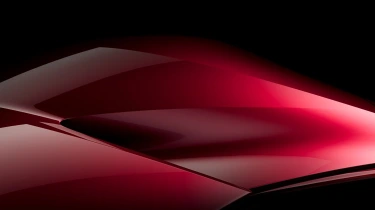
While official specifications remain under wraps, industry analysts suggest the concept will likely preview the aesthetic direction for upcoming models rather than introduce immediate powertrain innovations. The teaser imagery confirms the vehicle will feature Alfa’s signature Rosso Corsa paint, emphasizing sportiness over utility. This focus suggests a departure from the recent trend toward family-oriented SUVs like the Tonale and Stelvio, potentially returning to lower-slung, driver-centric proportions reminiscent of the discontinued 4C or the classic Giulia sports sedan lineage.

Contextualizing this launch requires looking at Alfa Romeo’s position within Stellantis. As one of the group’s premium marques alongside DS Automobiles and Lancia (which has recently repositioned itself around electric urban mobility), Alfa faces pressure to differentiate itself through performance credibility rather than just luxury features. The Paris Motor Show return is significant; after years of focusing primarily on Geneva and international auto shows, a strong presence in Paris allows Alfa to compete directly with French rivals Peugeot and Renault, who are also showcasing their own high-performance EV concepts during the same week.
Speculation regarding the vehicle type ranges from a compact hatchback spiritual successor to the Giulietta to an all-electric interpretation of the Giulia saloon. However, given the current automotive landscape, the latter seems more probable. An electric Giulia would address the gap left by the discontinuation of the petrol-powered model while leveraging Stellantis’ STLA Large platform, which supports both rear-wheel-drive configurations and advanced battery architectures. This platform flexibility is crucial for maintaining the rear-drive dynamics that define the Alfa driving experience, even in an electrified format.
The unveiling date, October 12, coincides with the press days of the Mondial de l’Automobile. This timing allows media outlets to capture detailed impressions before the public opens the doors later in the week. For consumers currently considering an Alfa purchase, the concept offers a glimpse into future resale values and design continuity. Existing owners of the Stelvio Quadrifoglio or Giulia Veloce may find reassurance in seeing how the brand plans to integrate technology without diluting its sporting character.
Historically, Alfa Romeo concepts have served as testing grounds for radical design shifts. The 2015 Disco Volante Speedster and the 2020 Tonale concept both preceded production models that defined the brand’s modern era. With Battito Rosso, the expectation is similar: a bold visual language that challenges conservative European design norms. The term “masterpiece” used in earlier promotional materials indicates a high level of craftsmanship investment, suggesting limited-edition potential or exclusive trim levels if the concept moves to production.
As the event approaches, attention turns to whether Alfa will disclose any technical details about power delivery or chassis construction. Given the strict emissions regulations facing EU manufacturers in 2026, any new performance vehicle must demonstrate compliance with Euro 7 standards. If the concept is purely electric, range figures and charging speeds will be critical metrics for market acceptance. If it retains hybrid elements, the integration method—whether mild-hybrid for efficiency or plug-in hybrid for performance—will determine its appeal among purists.
The final piece of the puzzle lies in pricing strategy. Premium positioning often comes with steep entry costs, particularly for niche brands operating outside mass-market economies of scale. While no price tag accompanies the concept reveal, its eventual production variant will need to compete with established German rivals like BMW’s i4 and Mercedes’ EQE AMG lines. Success will depend less on raw horsepower numbers—which are abundant in the EV sector—and more on steering feedback, weight distribution, and acoustic engineering, areas where Alfa traditionally excels.