

Microsoft Patent Targets Natural Breaks for PC and Console Ads
A new patent would wait for quests, boss fights, cutscenes, and loading transitions before showing ads
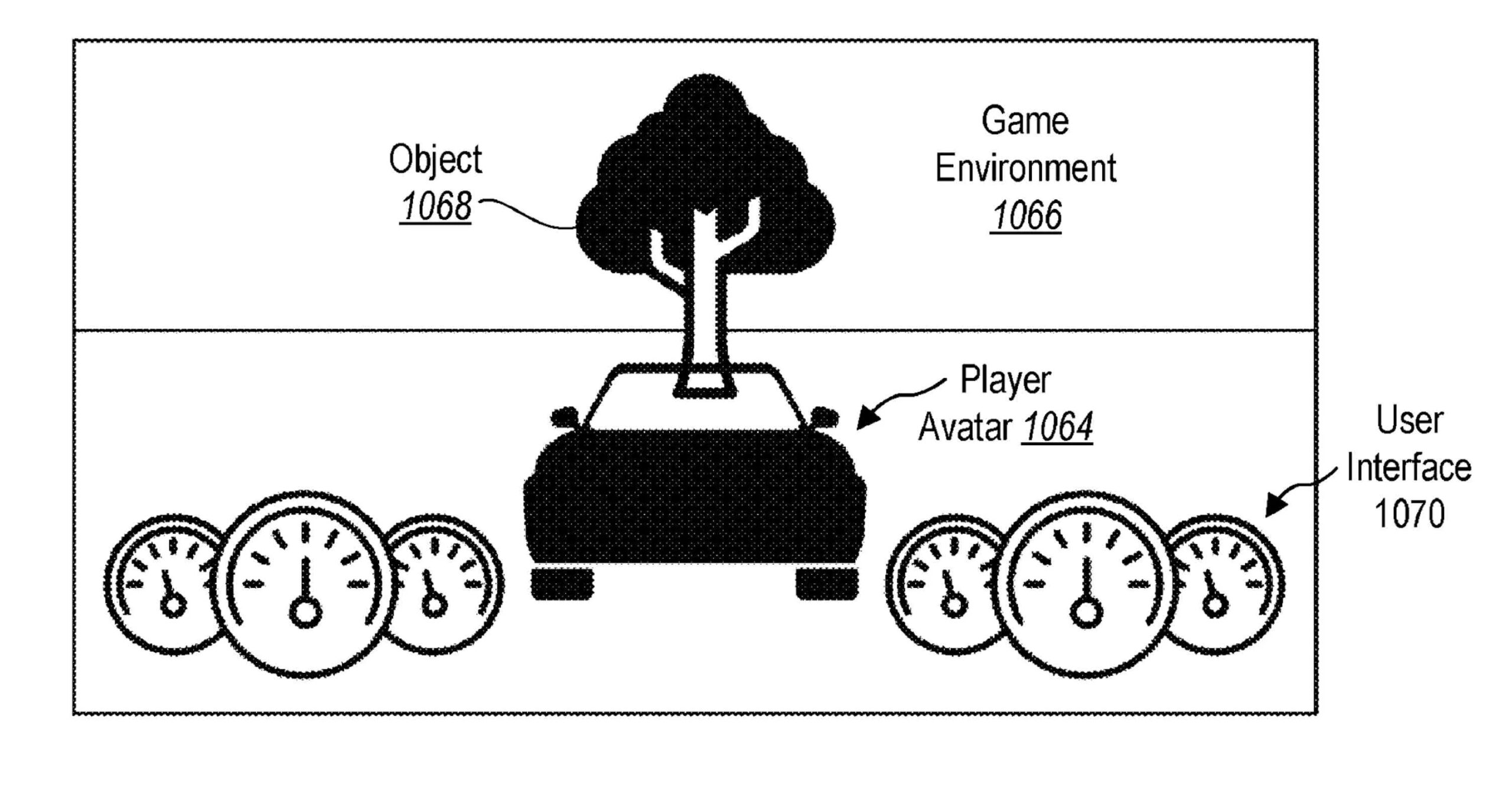
Microsoft is exploring technical solutions for bringing highly lucrative mobile-style advertising models to personal computers and home consoles as the video game industry faces skyrocketing development budgets and shifting consumer spending habits.
The company’s recently published patent application, filed under number US 2026/0260258 A1 and titled “Contextually Aware Management of Interactive Software Application Access,” describes a system for inserting advertising into traditional PC and console games. Microsoft, based in Redmond, Washington, has not named specific Xbox consoles, PC services, or upcoming game titles in the filing.
Instead of relying on the hard-scheduled commercial breaks common in television or mobile apps, the proposed advertising platform would communicate continuously with the active game engine. The engine would monitor player activity and send signal events to a central content-management system when the player reaches a low-intensity transition point.


The system could begin a session with an initial allotment of uninterrupted, ad-free gameplay. That period might be configured as a set duration, such as 30 minutes, or connected to in-game progress, including completion of an introductory tutorial or a specific level.
Microsoft’s filing identifies several possible natural breaks: the end of a major quest, successful completion of a boss fight, the conclusion of a narrative cutscene, or standard loading transitions between environments. Once the initial window draws to a close, the system would enter a standby state while waiting for the game engine to report one of those suitable moments.
The structure of PC and console games has historically made in-game advertising difficult. Mobile titles are often designed around short, discrete sessions with built-in downtime, while console and PC games frequently contain long, uninterrupted sequences. A rigid, timer-based interruption could occur during a critical multiplayer match, an intense boss fight, or a pivotal narrative cutscene, potentially alienating players and damaging the gaming experience.
When the platform detects an appropriate transition, it would temporarily suspend player interaction and deliver either a video commercial or a static promotional display before automatically resuming the game. Completing the ad viewing would award the player a “credit,” effectively buying another block of uninterrupted gameplay and postponing the next advertising event.
The patent outlines a framework intended to make free-to-play business models more viable on high-end gaming hardware. Free-to-play titles on PC and consoles currently rely heavily on microtransactions, battle passes, and virtual cosmetics for revenue, while context-aware video ads could provide digital advertisers with a massive, untapped inventory.
Microsoft’s exploration follows its aggressive expansion across the gaming landscape. After its landmark $69 billion acquisition of Activision Blizzard, the company secured ownership of major live-service and mobile properties, including the highly profitable mobile developer King and the free-to-play franchise Call of Duty: Warzone. Other major industry players, including Sony, have reportedly investigated similar ways to integrate ad technology into their respective ecosystems.
The company has made no public announcements about plans to commercialize the technology. Tech companies routinely file patents for speculative designs and technologies that may never reach consumer-facing products. The filing describes how major platform holders are researching ways to bridge the structural gap between mobile monetization and traditional premium gaming environments.






One Comment