Sam Bankman-Fried Takes FTX Fraud Case to US Supreme Court
Defense challenges $11 billion forfeiture and prosecutorial limits on repayment evidence after Second Circuit denial
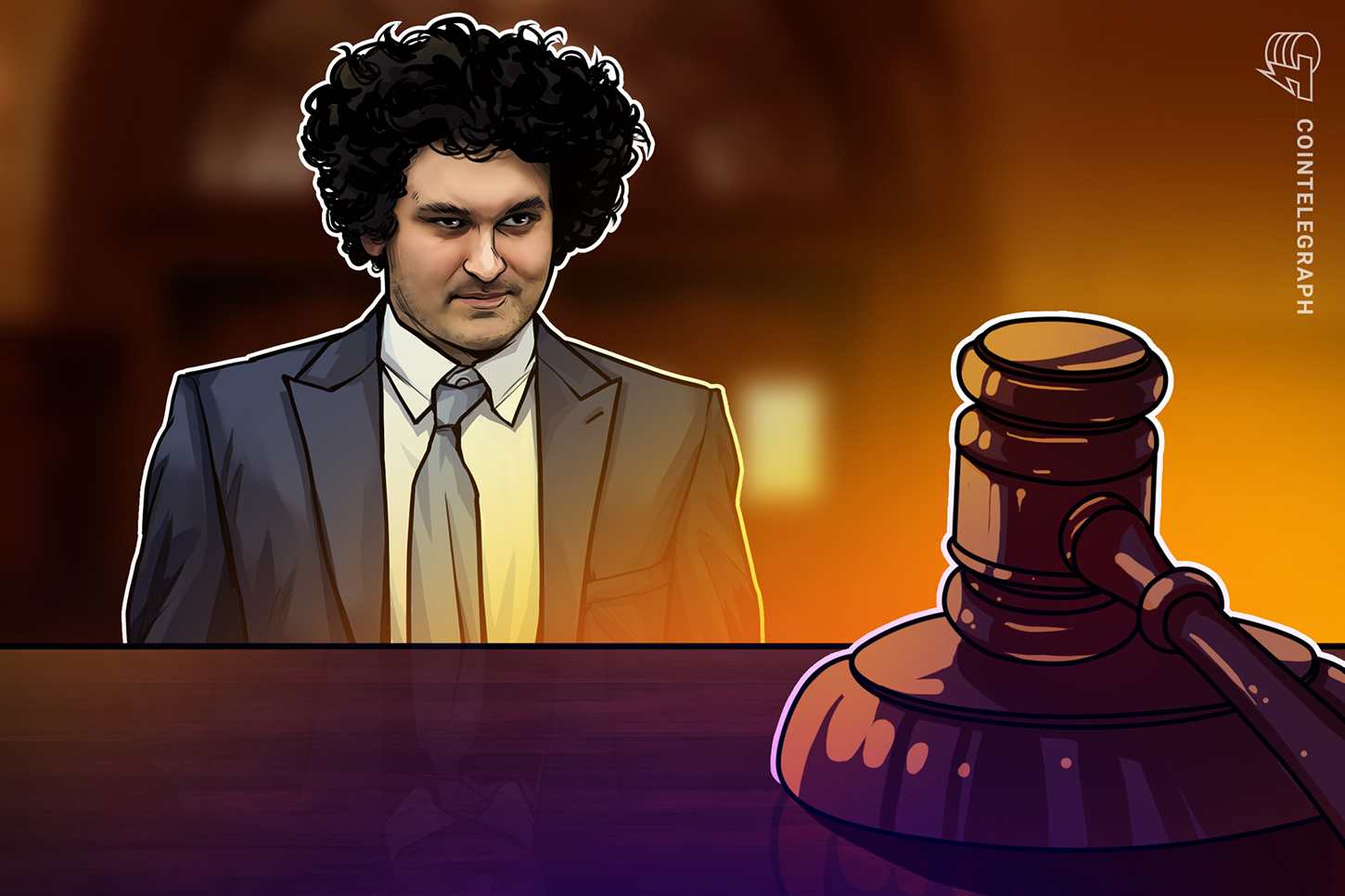
Sam Bankman-Fried is asking the US Supreme Court to review his 2023 fraud conviction, arguing that prosecutors secured a 25-year prison sentence by preventing jurors from hearing evidence that he intended to repay FTX customers and that an $11 billion forfeiture order violates the Eighth Amendment.
The petition for a writ of certiorari, filed through Hecker Fink LLP partner Jeffrey Fisher, arrives after the Second Circuit Court of Appeals rejected Bankman-Fried’s challenge in June 2026. The appellate court ruled that transferring customer deposits to Alameda Research constituted fraud at the moment of transfer, regardless of whether the former CEO believed he could eventually return the funds or whether account holders ultimately suffered financial losses.
Supreme Court rules require filing within 90 days of an appellate decision. The justices initially set an Oct. 15 deadline for the federal government to respond but extended it to Nov. 16. A decision on whether to hear the case could arrive in late 2026 or early 2027, with a potential ruling before the current term ends in June 2027.

The defense strategy hinges on a direct clash between two lines of federal fraud jurisprudence. Bankman-Fried’s lawyers lean heavily on United States v. Carpenter, a 2007 First Circuit decision holding that a jury verdict may rest on “moral disapproval” rather than actual fraud if a defendant genuinely intended to prevent financial harm. Prosecutors and the Second Circuit instead rely on the framework affirmed in Kousisis v. United States, a 2025 Supreme Court ruling establishing that inducing victims to part with money through misrepresentation justifies decades-long sentences even when no pecuniary loss occurs.
Mark Bini, a former federal prosecutor and current Reed Smith partner, assessed the reliance on Carpenter over Kousisis as an “uphill battle,” noting the probability of the high court granting a new trial remains low.
Beyond the evidentiary dispute, the $11 billion forfeiture order presents a distinct constitutional question. Bankman-Fried is scheduled for release around 2043. His legal team argues the penalty functions as a permanent debt, entitling the government to seize virtually all future earnings. Federal law generally permits prosecutors to seek both forfeiture and restitution simultaneously, but the sheer scale of this order—combined with the fact that FTX bankruptcy administrators began repaying users in 2025 based on asset prices locked at the time of the November 2022 collapse—creates unusual legal friction. Bini noted that if the Supreme Court accepts the forfeiture argument while rejecting the evidentiary claims, a reduction in the penalty amount is more likely than a retrial.
While Bankman-Fried pursues judicial relief, he is simultaneously seeking a presidential pardon from Donald Trump. Legislative sentiment suggests minimal political appetite for clemency: the US Senate recently adopted a unanimous resolution opposing any pardon or commutation for the former executive.
The aftermath of the FTX collapse continues to generate divergent outcomes for its central figures. Caroline Ellison, the former Alameda Research CEO who cooperated extensively with prosecutors under a plea agreement, completed her prison sentence earlier this year. On Aug. 10, she accepted a full-time position at Manifund, a charitable fundraising organization tied to the effective altruism movement, following a work trial that began July 13. Manifund CEO Austin Chen defended the hiring on Substack, citing her cooperation with creditors and completion of her sentence. The decision drew immediate backlash from industry figures, including Coin Metrics co-founder Nic Carter, who characterized Ellison as a “cynical opportunist” who received a lenient sentence specifically because prosecutors prioritized convicting Bankman-Fried.
The Justice Department has not publicly commented on the pending Supreme Court petition. The government’s response brief is due Nov. 16.