

As Sony Prepares to Kill Physical Games, Emulators Just Unlocked Direct Play for Original PS3 Discs
Direct disc support arrives as Sony prepares to end new physical PlayStation games
Slide a dusty, 18-year-old PlayStation 3 disc into a modern computer drive and RPCS3 can now read it and launch the game directly, without sending the physical copy through Sony’s ecosystem. The emulator recently reached a playable state for 75% of the entire PS3 library, a figure that arrives with the Cell architecture still hanging over the project.
Sony has confirmed that it will stop producing physical discs for new PlayStation games starting in 2028. A Linux PC, a macOS system, or a Windows machine can now become the place where an original PS3 disc continues to function.
Direct disc play was previously limited to Windows. Changes contributed by digant73 and Megamouse extended the on-disc support to Linux, FreeBSD, and macOS, breaking that Windows monopoly while also optimizing installation times for on-disc packages. The result is a more decentralized route into a physical game library, including on systems shaped by the locked-down operating models associated with Apple and Microsoft. This is the basis for RPCS3 play from disc across supported platforms.

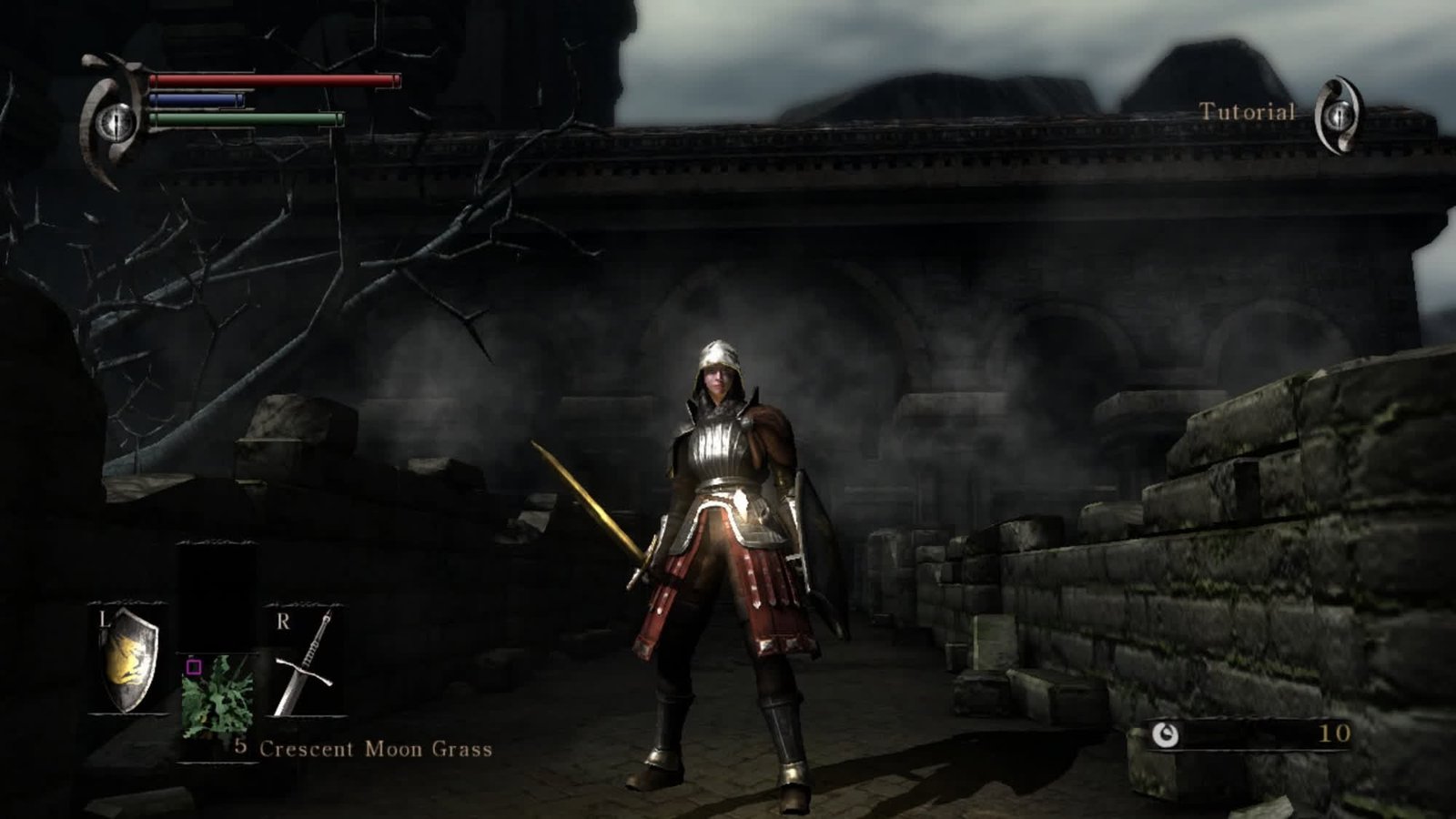
A compatible Blu-ray drive remains a hard requirement. RPCS3’s quickstart guide lists drives that can read a PS3 disc’s file structure, dump its contents, and boot the game through the emulator’s interface. Booting Demon’s Souls directly from an original disc should work with an “UHD Friendly” Asus BW-16D1HT Blu-ray burner, which previously had no issue extracting and booting the game. The drive cannot be just any cheap external reader, and the PS3 emulator compatible Blu-ray drives list matters because PS3 games do not use the standard Blu-ray format. Many suitable drives contain MediaTek chipsets, but not all do. RPCS3 uses a valid decryption key for the specific disc release on the fly, and that key is supplied through an IRD, or Information Rhythm Disc, file matched to the unique serial number of that physical print. The emulator does not generate the key. Users obtain the matching metadata from large community-maintained databases such as the RPCS3 IRD Library, which hosts more than 10,000 unique keys. That is the practical meaning of RPCS3 IRD library decryption.
The friction is still preferable to losing the game itself. Physical ownership remains possible without relying on an external server.
Sony’s timeline creates a direct contradiction: the company is moving new games toward an all-digital, licensed-only future while open-source developers are making old physical discs usable on modern PCs. The disc remains the artifact. The drive’s chipset and the IRD match are the locks around it.
RPCS3’s developers say the direct-play feature should theoretically cover physical games released as far back as 20 years ago. The official drive list exists because the required hardware cannot be bypassed anytime soon. A compatible drive must read the unusual disc structure, and the emulator must receive the correct release-specific information before it can decrypt the contents.
The project began with the difficult task of emulating the PlayStation 3’s Cell multi-core microarchitecture, once regarded as an impossible target. Direct reading from an original disc is now part of that effort, while the compatibility rate has reached a playable state for 75% of the PS3 library. The number also covers the physical games Sony is preparing to leave behind with its 2028 shift away from new discs.