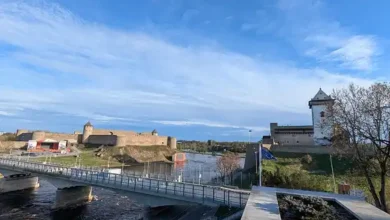
Finland’s eastern frontier now includes a completed 124-mile physical barrier, marking a historic turning point in Northern European security. The Nordic nation has moved from neutral buffer state to NATO’s most fortified frontline outpost.
The 833-mile boundary is the longest border separating any European Union or NATO member from the Russian Federation. Steel mesh, approximately 10 feet tall, is reinforced with concertina wire, night-vision cameras, and modern surveillance systems.
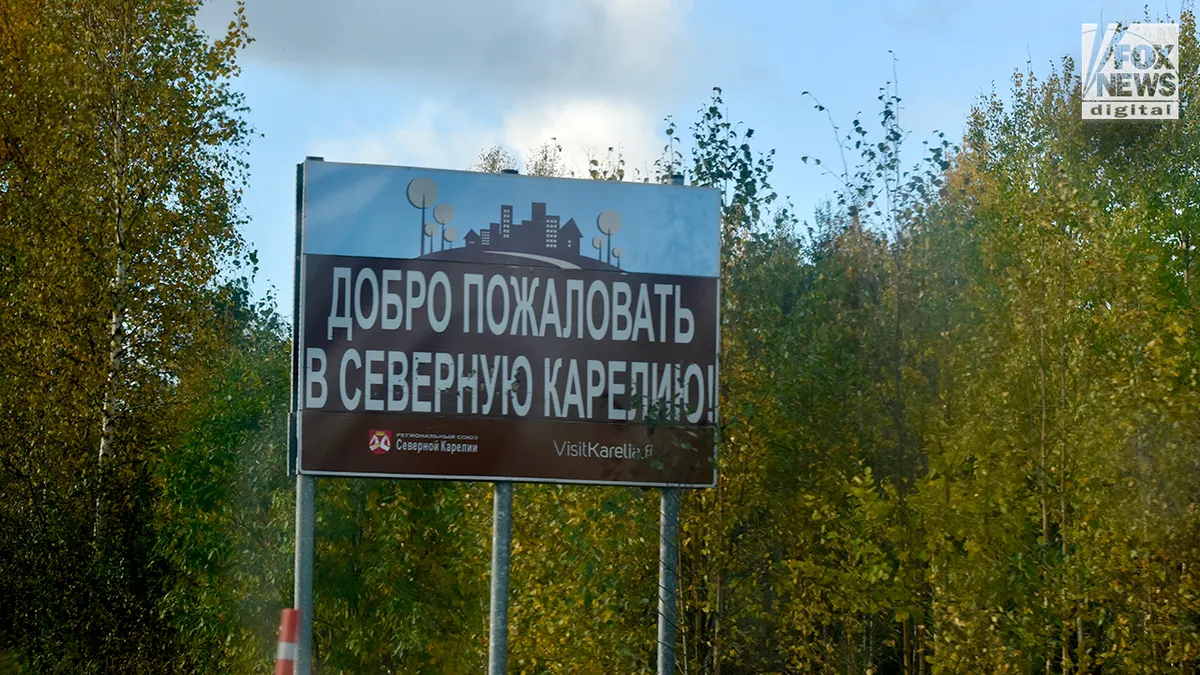
For decades, the frontier was defined by quiet regional cooperation and active cross-border trade. The indefinite closure of all land checkpoints and the new fortifications have transformed it into a militarized dividing line.
Petri Hakkarainen, political director for the Finnish Ministry for Foreign Affairs, said the fence functions as a secondary defense mechanism against Moscow’s use of migration as a political weapon. Finland has repeatedly accused Russian authorities of deliberately directing undocumented migrants from the Middle East and Africa toward its border in order to strain administrative systems and sow social division.
“We have in the past witnessed Russia’s attempts to instrumentalize migrants at the Finnish border,” Hakkarainen said. The tactic, he explained, involves “basically pushing migrants towards our borders, forcing us then to take them on.”
The policy shift follows the collapse of Finland’s Cold War-era “Finlandization,” a neutrality policy intended to preserve sovereignty through amicable relations with the Soviet Union. That approach was formalized in the 1948 Agreement of Friendship, Cooperation, and Mutual Assistance.
On February 24, 2022, Russian forces launched a full-scale invasion of Ukraine. Finnish public opinion shifted immediately and overwhelmingly, and the government abandoned military non-alignment.
Finland and neighboring Sweden applied for NATO membership in May 2022. Finland officially became the alliance’s 31st member on April 4, 2023, immediately doubling NATO’s land border with Russia.
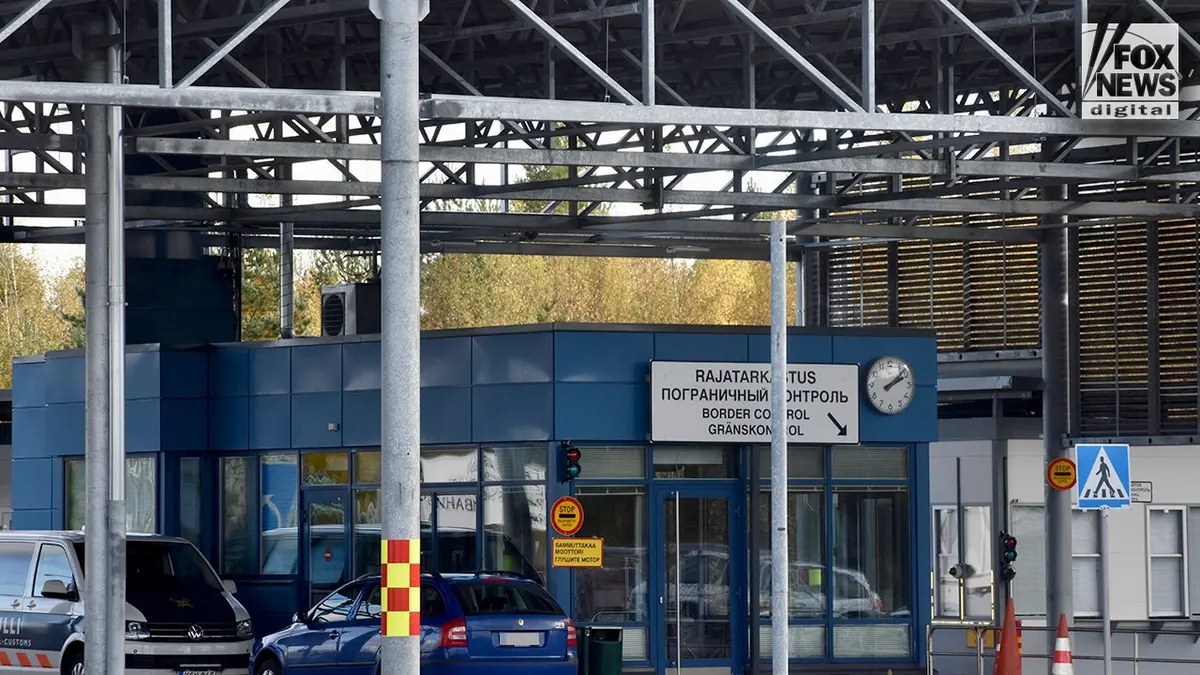
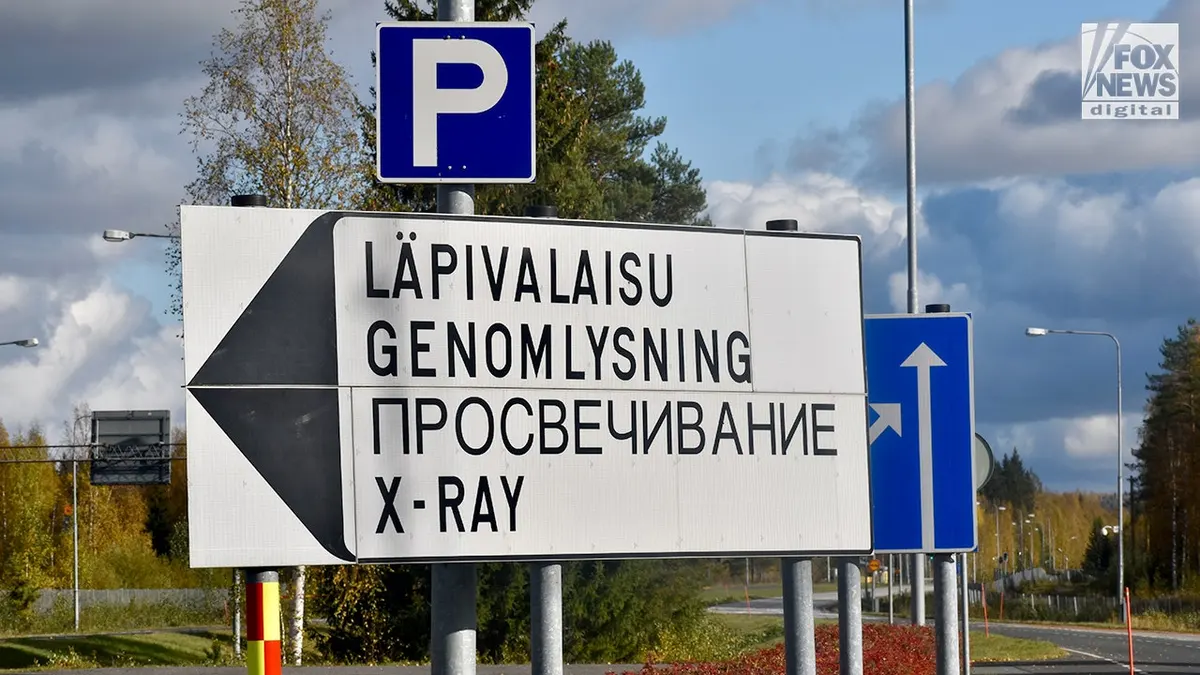
More than 1,300 third-country nationals arrived at Finnish border crossings without valid visas within months of Finland’s accession. Finnish officials concluded that Russian state actors had organized the influx, and Helsinki shut all eight passenger border crossings in late 2023, including the major hubs at Vaalimaa, Nuijamaa, and Niirala.
Finland’s response has also involved extraordinary legal measures. In July 2024, the Finnish parliament, the Eduskunta, passed the controversial Border Security Act. Enacted with the rare five-sixths majority required for constitutional exceptions, the temporary law gives border guards authority to reject asylum seekers and prevent entry when a foreign power is considered to be weaponizing migration.
International human rights organizations and European legal experts criticized the legislation, arguing that “pushback” policies violate the principle of non-refoulement under the 1951 Refugee Convention and EU asylum laws.
Hakkarainen acknowledged the complexity of the legal debate but said national survival took precedence. “We take these concerns very seriously,” he said. “But national security and our own sovereignty… weighed more heavily in this conversation, though there is broad majority support for the act.”
Similar security challenges have faced other countries on NATO’s eastern flank. Since 2021, Poland, Lithuania, and Latvia have confronted migration crises that they say were orchestrated by Belarus, a key Kremlin ally. Warsaw and Vilnius have also built extensive border walls and deployed thousands of troops against what they describe as state-sponsored destabilization campaigns.
The Kremlin has rejected accusations of hybrid warfare and condemned Finland’s border policies. Russian officials called the closures “Russophobic,” expressed “deep regret” over the collapse of bilateral relations, and warned that Russia would take retaliatory military-technical measures against NATO’s expanded presence along its northwestern flank.
Finland’s physical and legal barriers are now a permanent fixture of the Nordic landscape. The border remains quiet under the current closures and the newly completed fortifications.
“We think it’s important to listen to those of us who live next door to Russia,” Hakkarainen said. “Listen to our analysis of the situation: we consider Russia to be a long-term threat to transatlantic security—not only to Ukraine, not only to Europeans, but to transatlantic security as a whole.”
“We take our security and preparedness very seriously,” Hakkarainen said. “I would say not despite that, but because of that, we are able to lead very normal lives here—regardless of the neighbor we have.”