

Roku Opens Its Platform as Amazon and Google Close In
Roku expands open-source software, interactive ads, bundles, and localized TV features
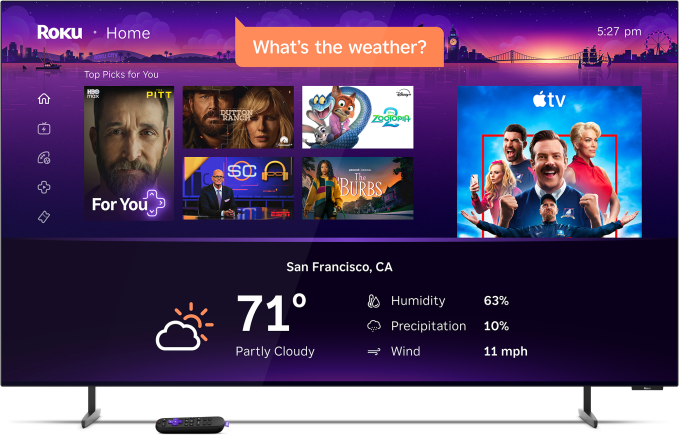
Roku is expanding its newly redesigned, personalized Home Screen beyond the United States, beginning with Mexico and Brazil. The international rollout includes localized content carousels and viewing recommendations tailored to regional audiences.
The San Jose, California-based streaming pioneer announced a major Roku OS update on Thursday. It includes open-source software for its physical remote controls, a public testing environment called Roku Labs, and an expanded localized user experience for key Latin American markets.
Roku is also upgrading the platform’s built-in voice assistant. It will now interpret and answer direct, localized weather-related queries, bringing its voice command functionality closer to the utility offered by more mature smart assistants.


The changes arrive as Amazon and Google apply advanced artificial intelligence to the connected TV market. Google is deeply integrating Gemini AI into Google TV devices, while Amazon is preparing its next-generation “Alexa+” voice assistant for its Fire TV ecosystem. Roku has historically maintained a dominant market share in U.S. households, but these tech conglomerates are competing more aggressively for living room engagement.
Roku’s response includes a break from its historically closed-loop software architecture. The company is open-sourcing Roku LT OS, the specialized software that powers its physical remote controls. The code will be publicly accessible to third-party hardware manufacturers, hobbyists, and software developers seeking to build custom applications and alternative devices compatible with Roku’s ecosystem.
Historically, developers building for Roku had to work exclusively within the company’s proprietary programming language, BrightScript. Roku’s open-source pivot could accelerate hardware innovation and attract a broader base of developers to the platform.
The company is also introducing Roku Labs, a dedicated tile on the home screen for U.S. users. The portal will provide access to experimental, in-development applications created directly by Roku’s engineering teams. Its initial offerings include real-time stock and weather trackers, along with the interactive game “Roku Dash.”

In Roku Dash, players pilot a virtual UFO through “Roku City,” the platform’s recognizable default screensaver, marked by a neon purple and pink silhouette skyline. Roku City has developed from a simple aesthetic screensaver into one of Roku’s most valuable advertising assets. Major brands pay premium rates to place their logos, products, and cinematic landmarks within its digital landscape.
By setting an interactive game in Roku City, Roku is testing a new form of first-party, gamified advertising that can be monetized directly on the home screen. The move into interactive utility and gaming applications also reflects a deeper investment in Roku’s “Platform” business segment.
Roku began as a hardware company selling streaming sticks and set-top boxes, but most of its modern revenue and gross profit comes from the Platform division. That business monetizes user attention through video advertising, sponsorships, and revenue-sharing agreements on subscription sign-ups.
Roku is positioning itself as a billing and distribution hub for mid-tier streaming services through customized subscription bundles in the U.S. and Mexico. Consumers will be able to mix and match plans from AMC+, Fox ONE, Hallmark+, Howdy, and Starz into a single monthly bill.
The consolidated packages cost less than purchasing the services individually. Roku is using the lower combined price to encourage users to subscribe through its billing system rather than directly with the content providers.




