

EU Opens Associate Membership Door to Canada as Trump Threatens Tariffs
Brussels proposes an Alliance for the Future as trade tensions with Washington escalate
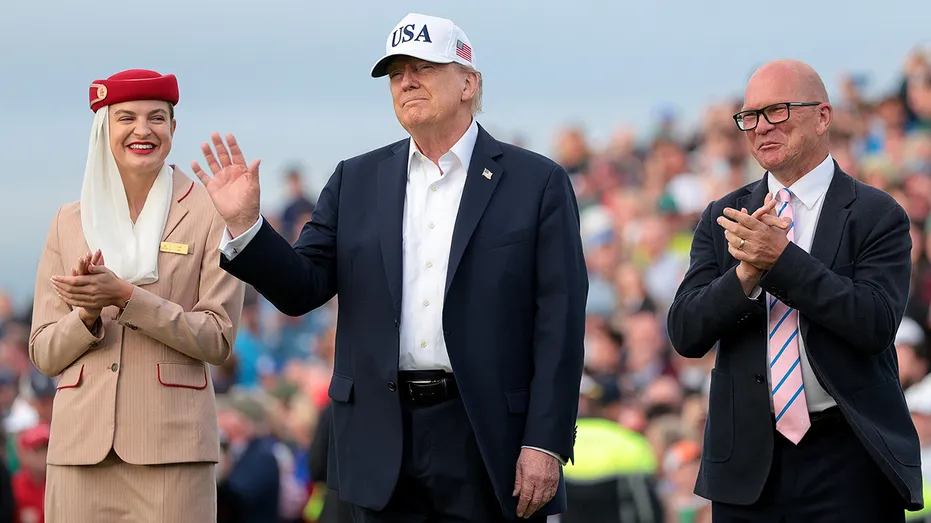
The EU’s outreach follows the collapse of bilateral trade negotiations between Canada and the United States last month, after which Washington and Ottawa imposed a series of reciprocal tariffs. President Donald Trump then signed a presidential memorandum directing U.S. federal agencies to audit Canadian-origin products and identify items to exclude or restrict from the U.S. federal civilian procurement market.
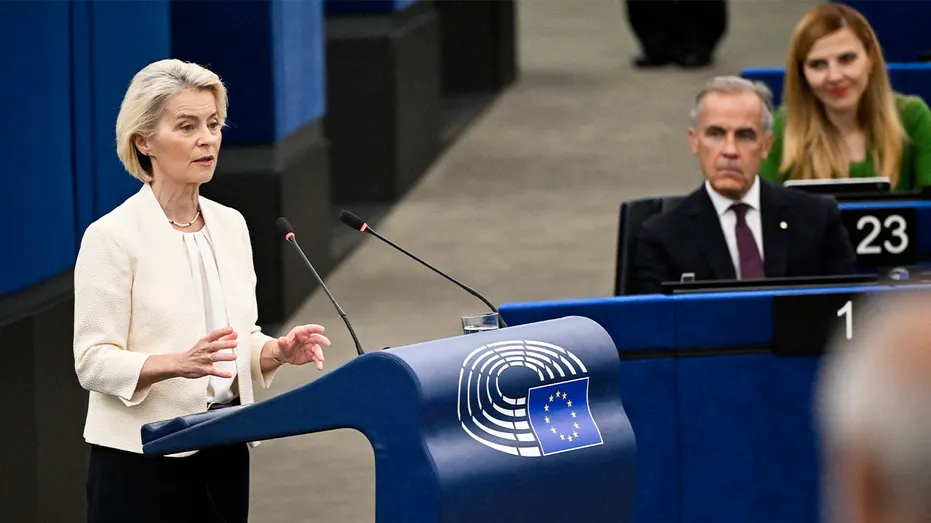
Speaking during her State of the Union address to the European Parliament in Strasbourg, European Commission President Ursula von der Leyen formally proposed opening the door for Canada to become the European Union‘s first associate member. She outlined the initiative alongside Canadian Prime Minister Mark Carney, who is scheduled to address the European Parliament.


The proposed model would build on the Comprehensive Economic and Trade Agreement (CETA), signed in late 2016 and provisionally applied between Canada and the EU since September 2017. The framework would include cooperation on critical minerals, defense manufacturing, artificial intelligence, and cybersecurity.
Carney has established an administrative goal of doubling Canada’s non-U.S. trade volume over the next decade as Ottawa seeks to reduce its reliance on the United States. Rather than pursuing full EU membership, he has advocated for a tailored partnership model, since Article 49 of the Treaty on European Union legally limits full membership to European nations.
The initiative, known as an “Alliance for the Future,” envisions a shared economic security space between Ottawa and the 27-nation bloc. Its proposed areas of cooperation also include clean energy, technology standards, and Arctic resource management and security.
Historically, the European Union has maintained strict institutional boundaries and has rarely offered non-member states flexible association arrangements without standardized legal mechanisms. Creating a formal associate membership category would require the unanimous consent and ratification of EU member states.
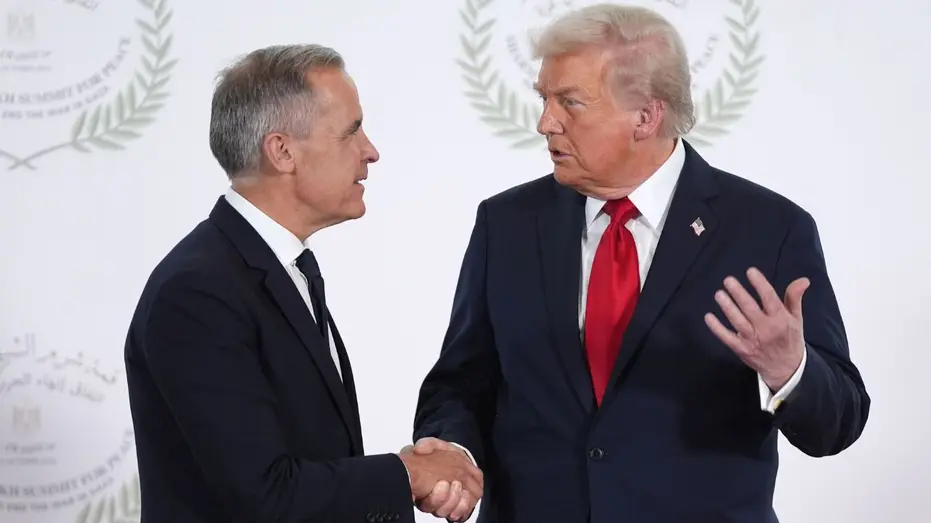
The White House said Canada’s domestic “Buy Canadian” rules and provincial procurement restrictions were relevant to the dispute. It asserted that Canadian vendors currently enjoy access to more than $280 billion annually in U.S. federal procurement under the World Trade Organization’s Agreement on Government Procurement (GPA), a plurilateral framework governing public procurement access among signatory economies to ensure non-discriminatory market access.
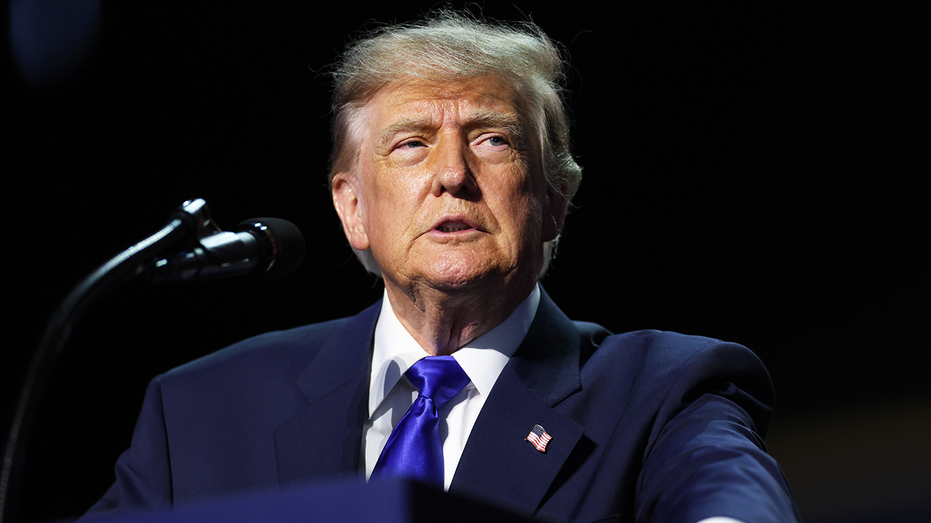
Addressing reporters, Trump dismissed the proposed EU-Canada associate status and warned that Washington could target European imports if the arrangement impinges on American trade interests. He called Canadian associate membership in the EU “laughable” and described Canada as a “terrible trade partner.”
Trump added that if the administration determines the arrangement constitutes a “hostile act” or is pursued with “bad intention,” the United States will impose heavy tariffs or curtail trade with European nations across multiple sectors.
The friction among Washington, Ottawa, and Brussels coincides with other shifts in U.S. international trade policy. During an appearance at the Amgen Irish Open at Trump International Golf Links in Doonbeg, Ireland, Trump announced the termination of U.S. tariffs on Irish whiskey imports. Those duties had originally been established under Section 301 of the U.S. Trade Act of 1974 as part of a long-standing transatlantic trade conflict involving aircraft subsidies before being subject to ongoing bilateral trade negotiations.










3 Comments