Trump Deploys Family, Envoys in Multi-Track Push for Ukraine Peace Talks
Abu Dhabi talks set for Nov. 10-11 as Melania Trump brokers humanitarian ceasefire in Oleshky
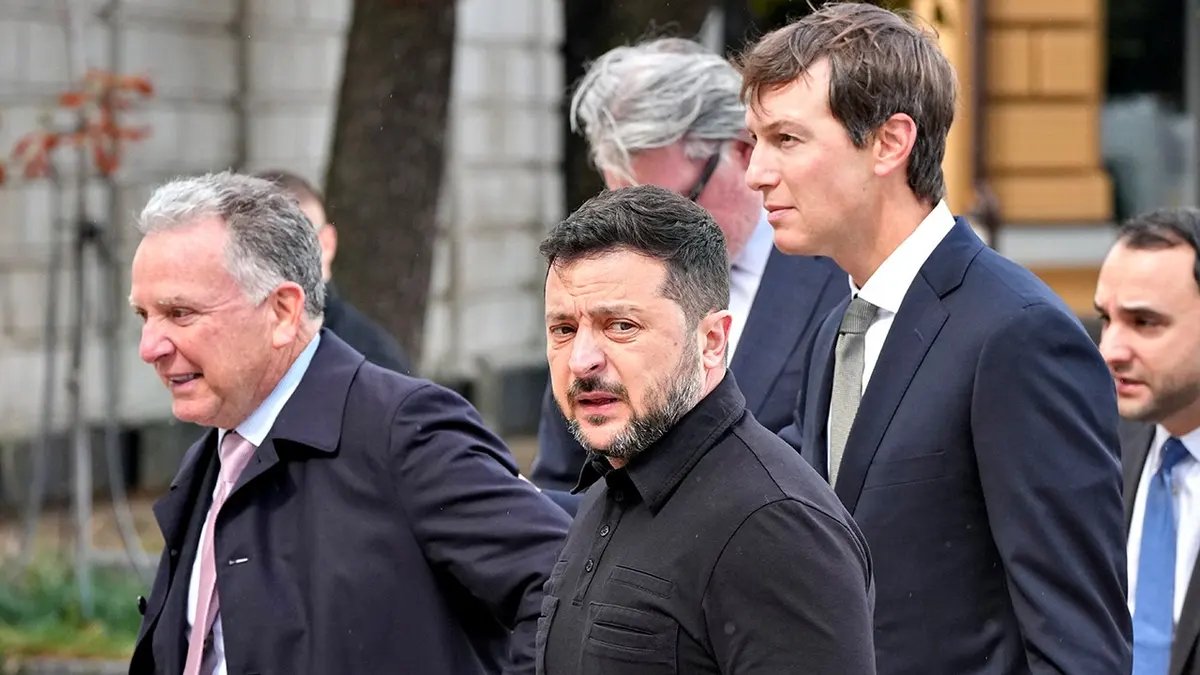
U.S. diplomats are finalizing preparations for Ukrainian and Russian delegations to meet in Abu Dhabi on November 10 and 11, the latest American-mediated effort to negotiate an end to the war. Special Envoy Steve Witkoff confirmed the talks will address post-war security arrangements, de-escalation measures, and humanitarian initiatives.
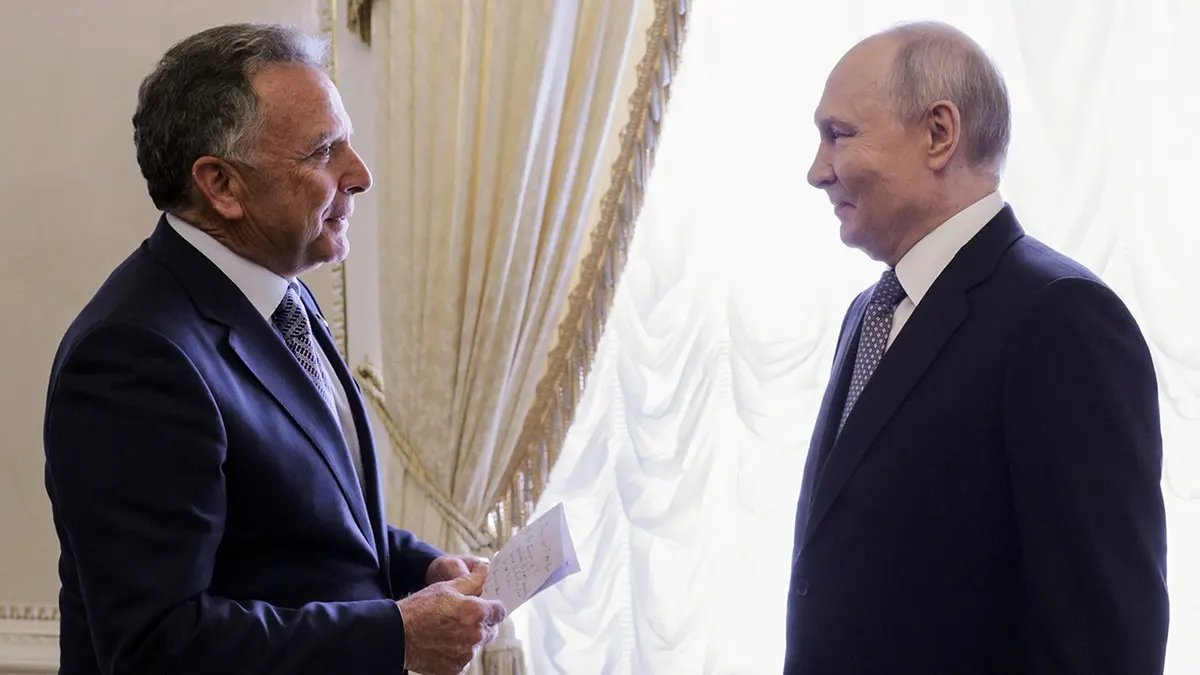
The Abu Dhabi session follows a flurry of diplomatic activity across Europe and the Middle East. On October 21, Russian President Vladimir Putin met Witkoff in St. Petersburg and agreed in principle to resume U.S.-brokered peace negotiations. A day earlier, Witkoff and senior adviser Jared Kushner held talks in Oslo with Ukrainian President Volodymyr Zelenskyy, Finnish President Alexander Stubb, and Norwegian Prime Minister Jonas Gahr Støre, covering security guarantees, territorial questions, and reconstruction planning.


Zelenskyy has signaled conditional openness to freezing current front lines as a first step toward a permanent ceasefire. In a Fox News interview on October 21, he said Ukraine would accept an agreement leaving existing border lines in place provided it retains at least 75% of its territory, with security guarantees from the United States and European nations to follow. He has repeatedly rejected any proposal requiring Kyiv to cede significant territory.
Moscow’s stated conditions for a comprehensive settlement include full control of the Donetsk region and a binding guarantee that Ukraine will not join NATO. Russian officials have framed any negotiation around mutual security guarantees once hostilities end.
A localized humanitarian ceasefire in the Russian-occupied city of Oleshky, in Ukraine’s Kherson region, recently demonstrated limited cooperation. First Lady Melania Trump acted as what the White House described as an “Exclusive Intermediary” in brokering the six-day truce that began October 29. The pause enabled aid delivery and the evacuation of nearly 800 civilians. On November 5, Mrs. Trump hosted Russian and Ukrainian officials at the White House to mark the ceasefire. Ukrainian human rights ombudsman Dmytro Lubinets presented her with Ukraine’s Order of Princess Olha, First Class. Russian envoy Kirill Dmitriev said President Putin personally ordered the ceasefire’s implementation.
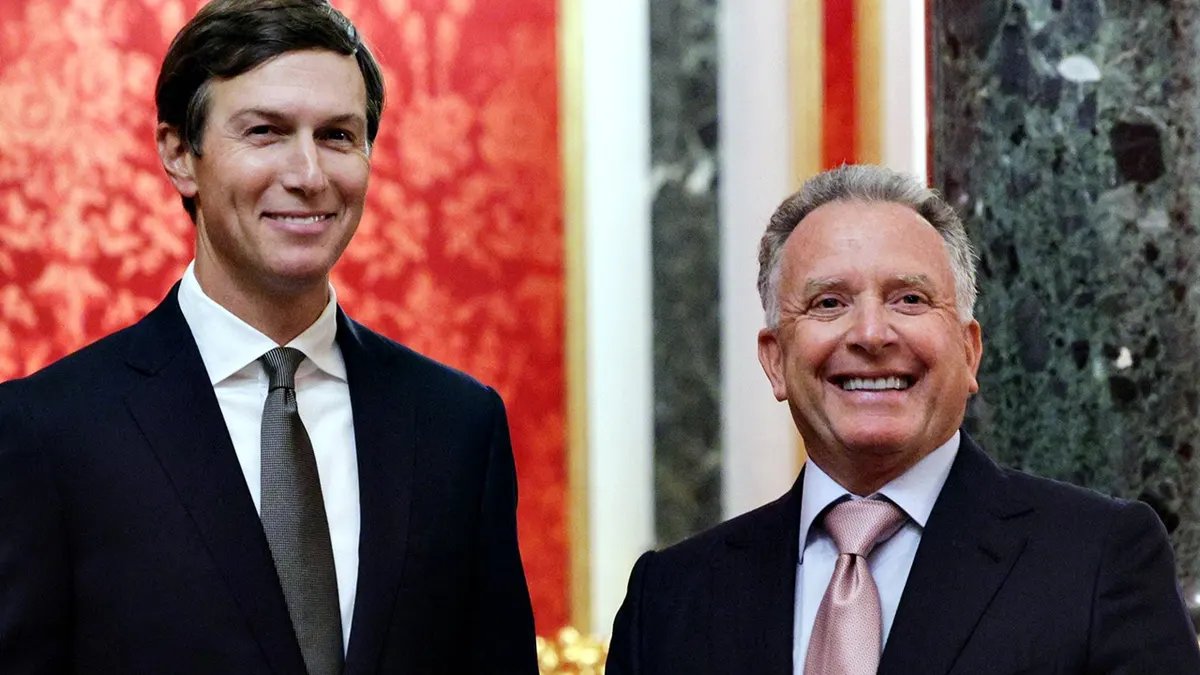
This week, American negotiators are in Brussels meeting counterparts from France, Germany, the United Kingdom, the European Union, and NATO. The discussions focus on security guarantees for Ukraine, the continent’s post-war security architecture, and economic support for reconstruction. President Donald Trump has made ending the conflict a centerpiece of his administration’s foreign policy.
Kushner outlined a five-point framework for a broader European security structure on November 5, emphasizing permanent consultation mechanisms, reliable crisis communications, military transparency, and reciprocal de-escalation measures. He said the goal is to address the security concerns of all parties while upholding national sovereignty and NATO’s defense role. President Trump met Dmitriev at the White House the same day, expressing confidence that a “big, beautiful agreement” involving “all of Europe” could be near.
Previous U.S.-mediated rounds in early 2026 produced limited results, largely confined to prisoner exchanges. Analysts warn that fundamental divisions over a comprehensive ceasefire and durable security arrangements persist. Will Thibeau, director of the American Military Project at The Claremont Institute and an Army veteran, noted on “Fox & Friends First” the realistic constraints on U.S. military aid to Ukraine and the broader push for a ceasefire.