Powerball $847 Million Winner in New Jersey Can Stay Anonymous Forever
The ticket matched 15-34-41-53-56 and Powerball 21. New Jersey's 2020 anonymity law means the holder can claim $847 million without ever going public — and the last two New Jersey jackpot winners did exactly that.
Somewhere in New Jersey this morning, a ticket worth $847 million is sitting in a pocket, a wallet, a kitchen drawer, or the glove box of a car. The owner may not know it yet. The ticket matched 15, 34, 41, 53 and 56, with Powerball 21, in Wednesday night’s drawing, and it was the only one in the country to do it. The Powerball $847 million winner has a year to claim the prize, and New Jersey law means the winner may never have to give a name at all.
The drawing ended a run of 35 straight drawings without a jackpot winner, going back to August 12, when a player in Illinois won $1.04 billion and took the $450.5 million cash. The jackpot had reset to $20 million on August 15. The run began there. The advertised $835 million rose another $12 million on final-day sales before the drawing. It is the ninth-largest Powerball prize ever won. The Powerball New Jersey winner is the state’s 12th jackpot win since 2012, and the odds of matching all six numbers on one ticket are 1 in 292.2 million. “When the jackpot reaches this level, players take notice, and we’ve seen that excitement reflected in ticket sales over the past week,” Stephen Durrell, the Powerball Product Group chair, said before the drawing. The prize resets to $20 million for Saturday’s drawing.
The $847 million is the annuity figure. The winner’s first decision is whether to take it that way or take the cash. The Powerball cash option is $363.1 million, 42.9 percent of the advertised prize, and the tax bill starts before the winner sees a dollar. Federal law withholds 24 percent: $87.1 million. New Jersey withholds 8 percent on prizes over $500,000: $29 million more. The check at the counter comes to about $246.9 million. The full bill is larger. The top federal rate is 37 percent. New Jersey’s top rate is 10.75 percent, which leaves about $189.7 million, or 22 cents of each advertised dollar, once the winner files. Those figures are computed from the published rates for a New Jersey resident taking the cash; the exact bill depends on filing status and other income, and a winner living in another state faces that state’s tax instead.


The Powerball annuity payments arrive as one immediate check followed by 29 annual payments, each 5 percent larger than the one before, so the first check comes to about $12.7 million and the thirtieth to about $52.5 million. The halfway point in dollars arrives only with the 21st payment. Each check is taxed in the year it arrives, mostly at the 37 percent top rate. Over 30 years, the annuity pays out far more after tax than the cash, because the cash is a smaller sum taxed all at once.
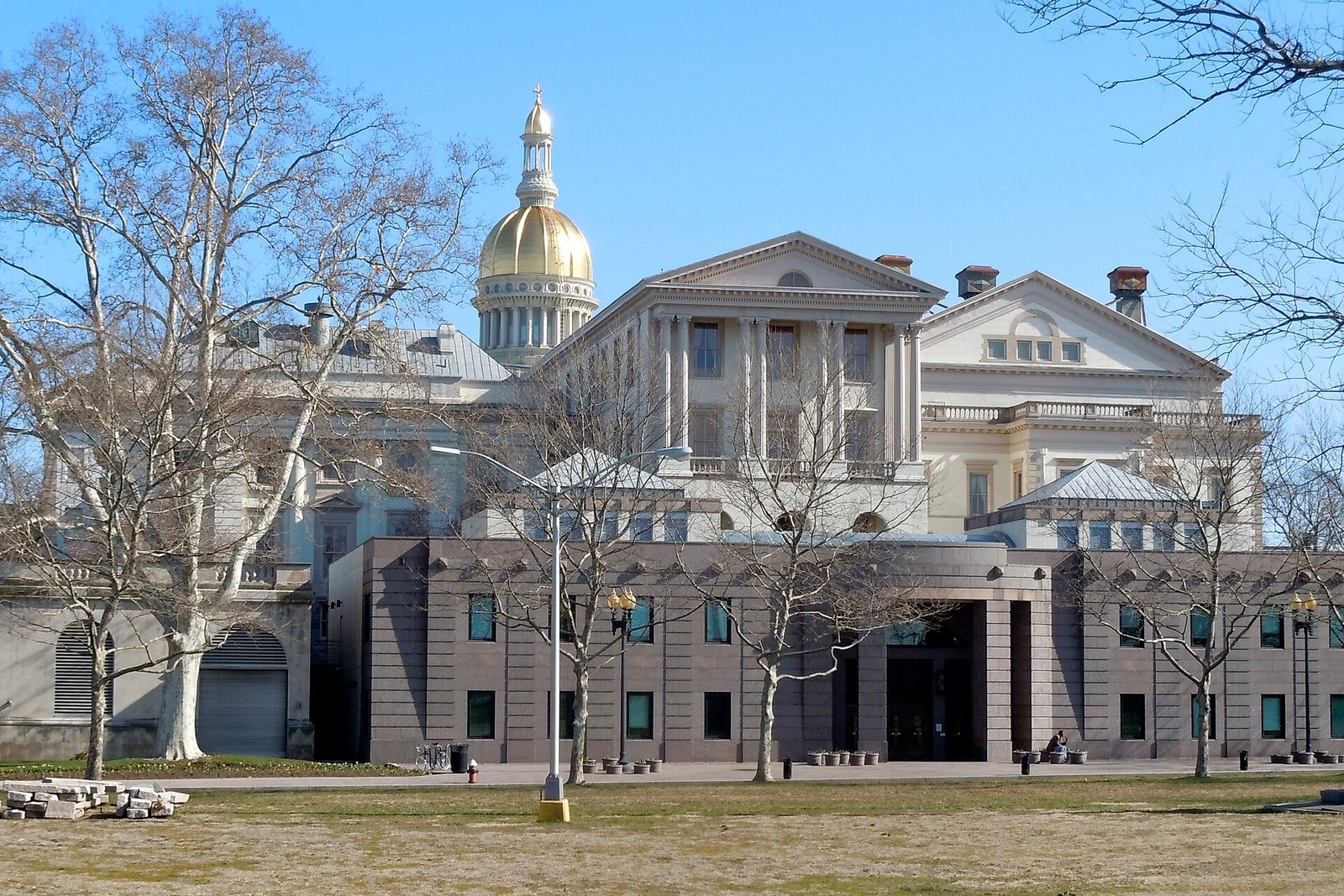
The Powerball claim deadline is a year from the drawing, November 4, 2027. The winner claims by mailing the signed ticket with a claim form to the New Jersey Lottery in Trenton, or by making an appointment to bring it in person, which prizes of $100,000 or more require. The Lottery takes four to six weeks to validate the ticket and issue payment. The first instruction in every winner’s guide is the same: sign the back of the ticket, because an unsigned ticket belongs to whoever is holding it.
In January 2020, Governor Phil Murphy signed the change that created New Jersey lottery anonymity: a winner’s identity became confidential under state law, shielded from public-records requests. The claim form carries a box, Box 14, where the winner checks yes to go public or no to stay private, and the Lottery may not publish the winner’s name, town, photograph or prize amount without express consent. The winner still has to prove who they are to the Lottery and the tax authorities, who keep the identity on file.
On June 10, 2024, a single Quick Pick ticket bought at Preet Food Mart on Chews Landing Road in Lindenwold matched all six numbers for $222.6 million, with a cash option of $104.7 million. The winner came forward about a month later, anonymously. They told Lottery officials they were still trying to wrap their head around the win. They had no plans for the money. The store received a $30,000 bonus for selling the ticket, and a clerk’s claim that the winner was a bus driver who spent $60 a day on tickets could never be checked, because the law keeps the winner’s identity from everyone, including the store that sold the ticket.
The $1.128 billion Mega Millions ticket sold at the ShopRite on Route 66 in Neptune Township on March 26, 2024, sat unclaimed for nine months. Its holder walked into the Lottery’s offices on December 23, still anonymous, and took the $537.5 million cash. The cash came to about $280.4 million after tax. The store’s $30,000 bonus went to charity, and the winner’s name has never appeared in print.
Kingjwavy, a New Jersey resident who plays occasionally, wrote on Reddit that he had not bought a ticket in weeks and, when he saw the news, “literally said ‘damn that could’ve been me'”. Goodgamer78, posting on Reddit, reported four tickets and nothing: “4 Tickets tn, nothing. RIP. Congrats to them!” Giant_Devil, replying on r/newjersey, had better luck. He joked that he had won $4 and doubled his investment. The draw has one winner and millions of near-misses, and the anonymity law decides which of those two groups the winner joins. Cheap-Bathroom-4426 had already moved on, writing that he had not played Mega Millions since the price change and was hoping that one reached a billion before the year ended.
Nobody matched all five white balls. There were no $1 million or $2 million second prizes, but 25 players matched four white balls plus the Powerball for $50,000 each, and four more with Power Play took $100,000 each. Part of the jackpot itself came from outside the United States: this was the first Powerball cycle in which players in the United Kingdom took part from the start, after ticket sales there began in July, and each British ticket feeds the same jackpot pool as an American one. British winners, unlike American ones, get no cash option and are paid over 30 years. Thirty-five percent of every $2 ticket stays in the jurisdiction where it was sold, for public programs.
If the ticket is never claimed, the money does not stay with the New Jersey Lottery. Powerball’s rules send an unclaimed grand prize back to the lotteries that sold the tickets for the run, in proportion to their sales. Each lottery puts its share toward other games or its general fund.