Albania Protests Burned the Dialogue Cushions. MEPs Want Brussels to Investigate the Police.
A table, a burning, and two video archives assembled for opposite purposes — the record of Tirana's 12th day of student protest is itself contested.
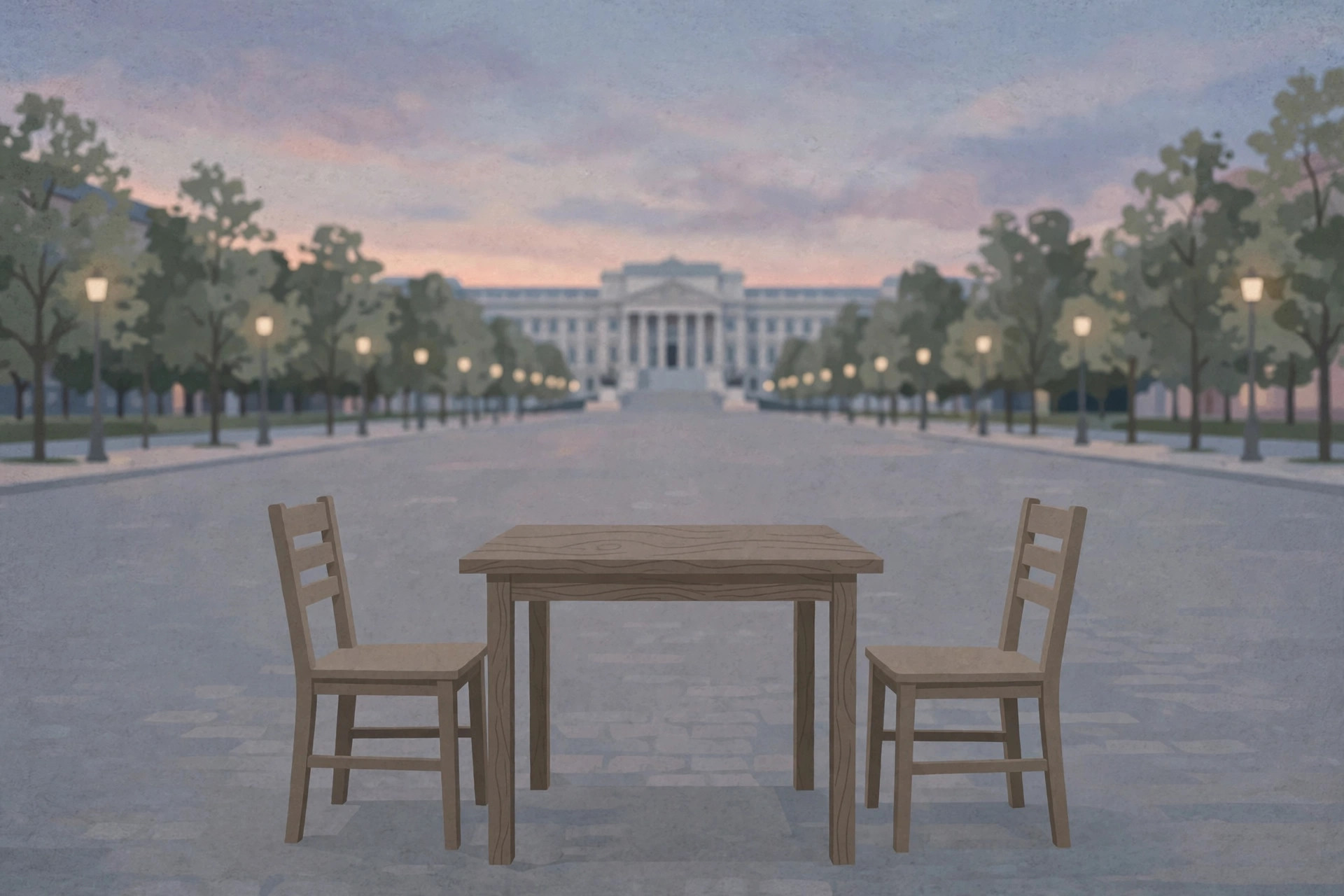
By Saturday afternoon, the government’s dialogue furniture in Tirana was ash. Protesters had set fire to the cushions. Rama had placed them on a table outside his office that morning, under a sign reading “Dialogue.”
Rama had set out the table that morning and said he had listened for four months to the protesters below his office, the group known as the Flamingos, who he said had presented no concrete demands. The protesters answered by marching and burning the cushions, holding to a demand his account of the protests leaves out: his resignation and a caretaker cabinet before new polls.
Interior Minister Ervin Demo described the other record being assembled in Tirana on Saturday. Police were reviewing hundreds of hours of footage from media outlets, social media and cameras at public and private institutions, with technology helping identify suspects, including people who had covered their faces with masks, and the documented evidence would go to the Prosecutor’s Office. The review continues daily. “We are identifying cases on a daily basis, even when protesters have concealed their appearance with masks,” Demo said.
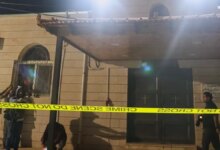
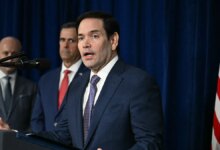
A second archive is being assembled for the opposite purpose. Pas Perdes, an independent Albanian civic portal, keeps a public archive of videos documenting police violence during the protests, and it reports the allegation that lecturer Alfred Bushi was beaten inside a police station after his arrest. The portal also notes, as BalkanWeb did, that Rama named no one and offered no evidence when he presented detained protesters as financed by organised crime and foreign forces.
Two members of the European Parliament are now asking Brussels to adjudicate between those two records. Anna Strolenberg and Tineke Strik will ask the European Commission to open an investigation into police violence in Albania, with particular attention to the treatment of young women. Their move follows a letter from the legal representatives of arrested students, written with the Centre for Gender Justice in Albania. Lecturers marched again in support of the students on the 11th day, and doctors in the capital, including hospital doctors, were called out to join them.
Saturday’s rally had been choreographed in stages. Lecturers gathered at 10:00 near the Polytechnic University, the Independent Union of Art, Culture and Media called its members to the Prime Minister’s Office at 11:00, the Democratic Party called its activists out at noon, and student groups gathered at 14:00, with students from other cities travelling to Tirana. Opposition lawmakers Flamur Noka and Klevis Balliu marched with supporters from the party’s headquarters along Deshmoret e Kombit Boulevard toward the government building, and the cushions burned there.
AFP reporters found some public buildings boarded up, with shutters closed and entrances sealed behind large metal sheets, and cobblestones that protesters had used as projectiles removed from sidewalks and replaced with gravel. Albania ranks 91st among 182 countries on Transparency International’s Corruption Perceptions Index. More than 300 people, including many officers, have been injured since the unrest turned violent, and dozens of demonstrators have been detained, though the situation had calmed in recent days to sporadic incidents.
Activist Sidorela Vatnikaj told AFP there is a lot of anger, calling the movement a revolution, and said it is not a matter of only students or only environmental struggles but a matter of the state of rights and the state of law. The Albania protests began in May as the largely peaceful Flamingo Revolution, over alleged corruption and a Jared Kushner-linked coastal project at Zvërnec. They hardened after last Saturday, the fifth and fiercest day. Petrol bombs were thrown at armoured trucks, tear gas and water cannon were used, and a car was set alight and rolled at police lines. Teenage demonstrators took sanctuary in the Catholic cathedral grounds.
Through the week, Rama widened his account of who is behind the violence. He has blamed ideologically and religiously radicalised individuals, people with criminal records, the group Antifa, and what he called an attempt to organise an ugly Balkan revolution, and he has also blamed foreign actors, Russia and Iran for online misinformation. Conservative critic Genc Pollo told UnHerd that mockery and police force, rather than concessions, turned discontent into confrontation. Chants on the street include the wartime Balli Kombëtar slogan, and Democratic Party vice-chair Belind Këlliçi has called Rama the head of what he called the first narco-state in Europe.
Tirana was one stop on a European day of protest. Police in France arrested 135 people and deployed 70,000 officers, with tear gas used in Lyon, while about 150 homes were searched in Milan ahead of protests and thousands of pensioners marched in Madrid for pension protection. European Union regulators are investigating suspected foreign interference and disinformation around the protests. The researcher they cite, David Colon of Sciences Po, said the pro-Kremlin accounts spreading false claims did not initiate the protests and have not influenced their development. A senior European intelligence official said there is so far no concrete evidence of direct provocation.
A different agreement was also signed in Tirana, finalising Albania’s participation in the International Stabilization Force for Gaza, with additional support for security operations and operational planning alongside Morocco and Kosovo. The ceremony was attended by Defence Minister Ermal Nufi, Chief of Defense Lieutenant General Arben Kingji, International Stabilization Force Commander Jasper Jeffers and United States Ambassador Eric Wendt.