43 Years After the First G-Shock, Casio Replaces the Watch Shaft With a Magnet
The first G-Shock was digital because a shock-proof watch couldn't afford hands; the 2500 keeps the hands and lets the magnets take the knock.
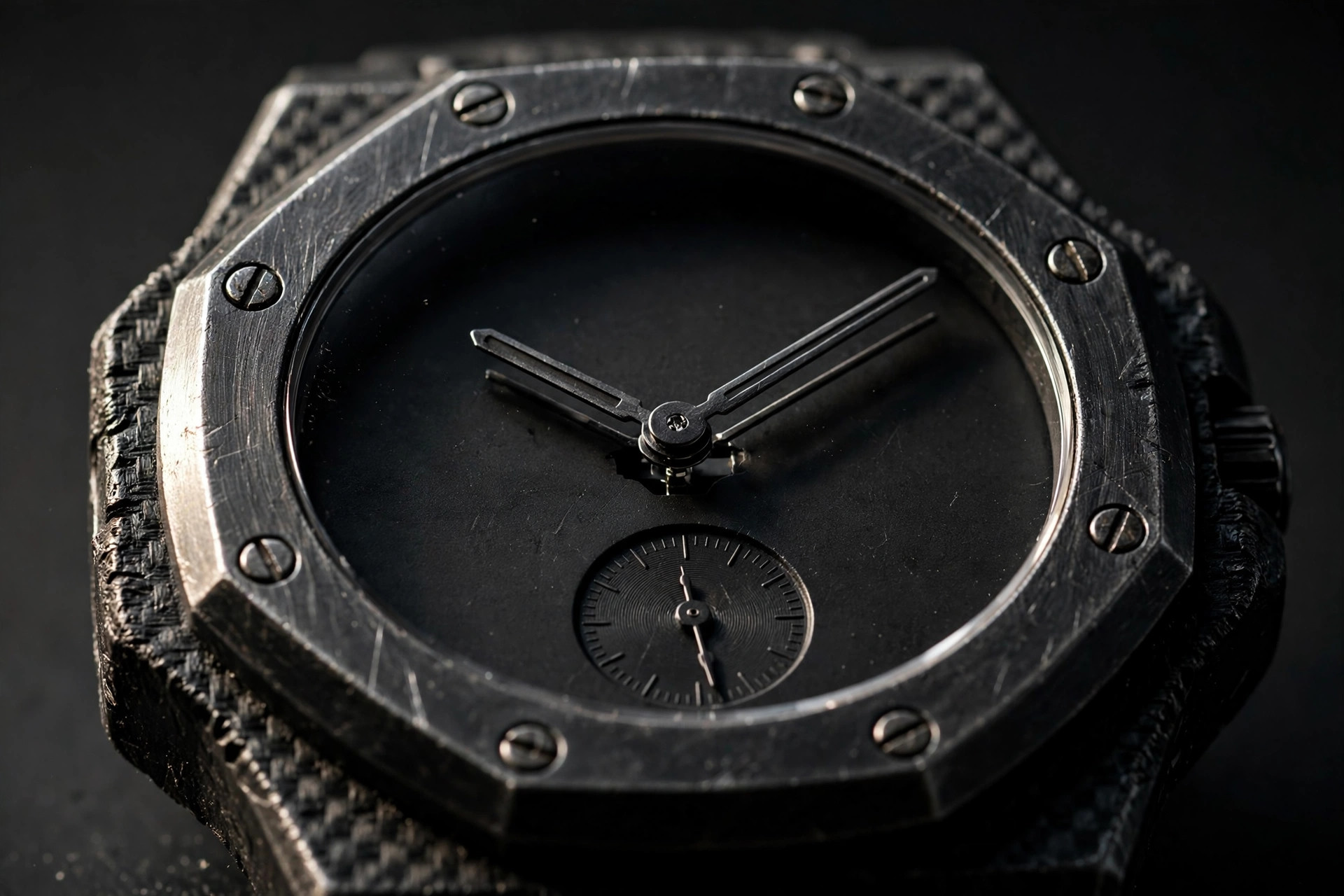
Nothing pins the minute hand to the dial on Casio’s new G-Shock. A magnet holds it loosely. A hard knock shifts it sideways instead of snapping it. Within minutes the watch pulls the hand back into position on its own.
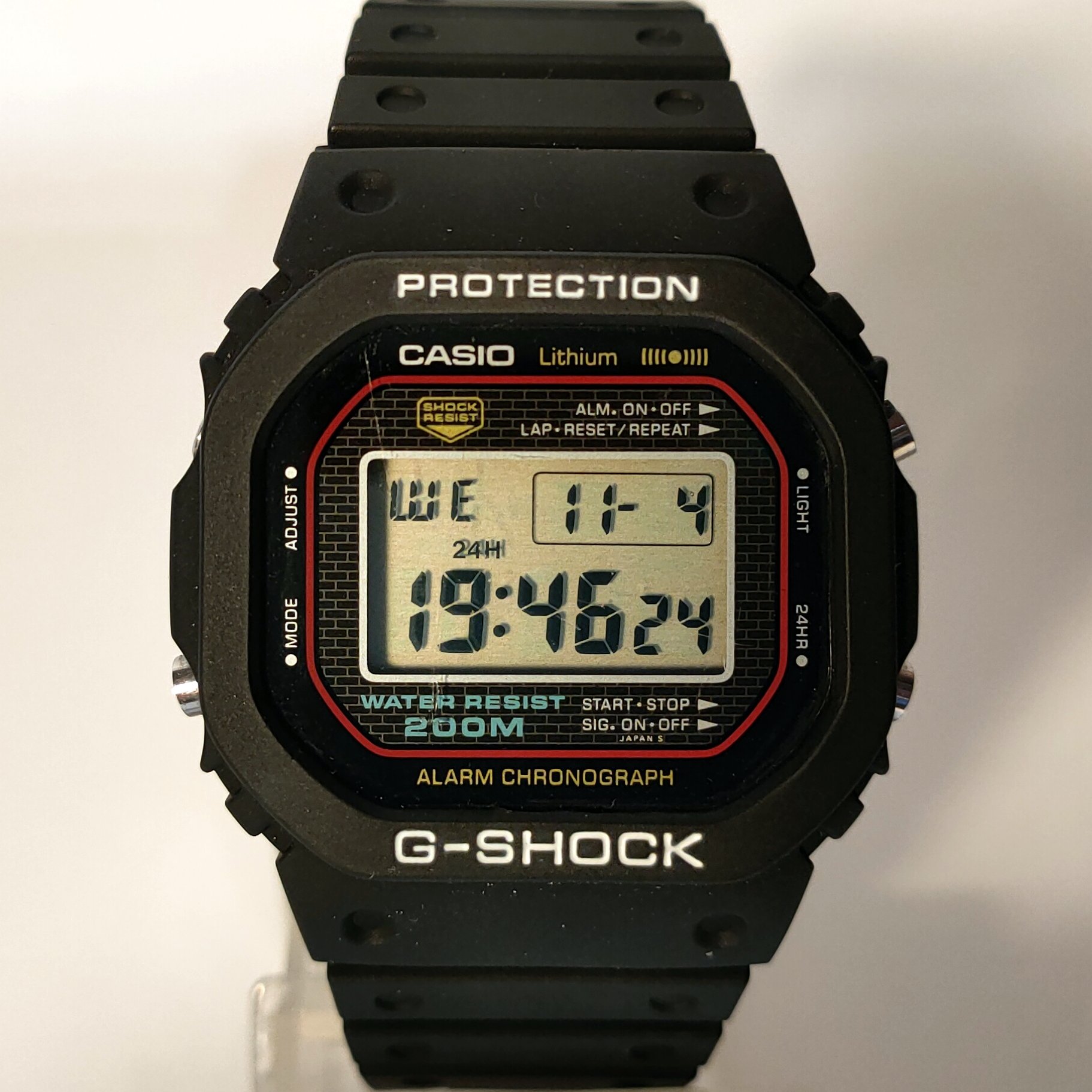
Forty-three years separate them. The DW-5000C of 1983 answered the same problem, a watch that would not break if dropped, by getting rid of the hands entirely. A digital module has no shafts to shear or pinions to bend. The original shock-proof watch carried almost nothing worth breaking. The 2500 series, announced October 22, keeps the hands and lets them give way on impact.
Casio calls the mechanism the Shock Release Hand system, and the 2500 is not its debut. The mechanism is older than the watch. It arrived on the GA-V01 in April 2025, a quieter trial run. HODINKEE Australia’s Jack Shepherdson notes the new watches are “fitted with Casio’s Shock Release Hand system (that debuted on the GA-V01 in April 2025), which holds the minute hand in place with magnets instead of a conventional mechanical post.” On a big knock, he writes, the hand “can absorb it and move with the force before snapping back into position.”


The trickier engineering sits at 3 o’clock. Three numeral cells change jobs with the mode: date on most days, stopwatch elapsed minutes when the button is pressed, setting information during configuration. Shepherdson ran the yellow resin model on trails and through the ocean, and calls the stopwatch’s payoff “a physically digital readout like this”: “I can’t think of another with a chronograph or stopwatch that gives a physically digital readout like this, and on a run, that’s seriously useful.”
Stuff’s hands-on reviewer, who lived with the resin and full-steel models for a week, found the trade-offs honest. Hold the Start button and the watch enters power saving. The seconds hand parks at the 30-second mark while timekeeping continues. The battery stretches from roughly two years toward what Casio claims is five. The resin model’s shape won the reviewer over: “It’s really light, and the dial is the perfect size, big enough to read at a glance without looking like a dinner plate.”
The lineup is one case in three materials. The resin GAC-2500 starts at $145 and weighs 47 grams. The middle GMC-2500 with its steel bezel runs $280 to $300 for 68 grams. The full-steel GMC-2500D costs $350 and weighs 138 grams, just under three times the resin model. The case measures the same either way: 46.7 millimeters across, 12.9 thick in the metal versions. The price ladder is also a weight ladder.
Casio released its most expensive G-Shock ever, the Blue Rose Project, weeks before this one. HODINKEE frames the gap as “less than A$300 (not A$100,000+ like the recently-released Blue Rose Project!)”. It was never much of a secret. It surfaced on Casio Japan’s own website in September, the pages vanished, and collectors had already christened it the “CasioNaut” before the October 22 announcement confirmed the leaked catalogue pages from September.
All nine references share the same core specs. Water resistance runs to 200 meters. Timekeeping is plus or minus 15 seconds a month.