While Rama Closed an EU Chapter in Brussels, Tirana Closed the Street
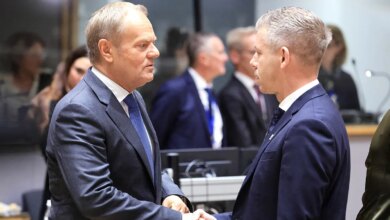
On October 13, Edi Rama was in Brussels closing another EU negotiating chapter and posting about "the countdown to the historical objective." In Tirana, the streets were starting a different countdown.
On October 13, Edi Rama posted from Brussels that Albania had closed its fourth EU negotiating chapter. “ALBANIA CLOSES FOURTH CHAPTER,” he wrote, “countdown to historical objective begins.”
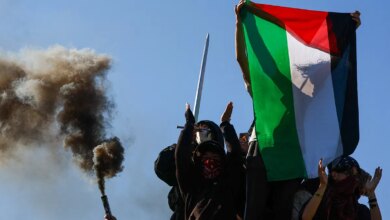
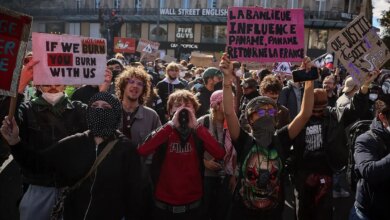
That same week, in Tirana, the countdown went the other way. Students gathered outside the Education Ministry on the fifth day of a movement to force Rama from office, and the gathering turned into running battles — rocks and Molotov cocktails answered with stun grenades, tear gas and water cannon. Police figures put the detained at 500, with 330 released; 120 officers and 45 protesters were recorded injured, though the protester number is almost certainly low. The health ministry later said 272 people had been hurt in the clashes since they began, 169 of them police. Thirty-eight-eight people had been charged with criminal offenses by October 18.
Two countdowns, one week. Only one of them is on schedule.
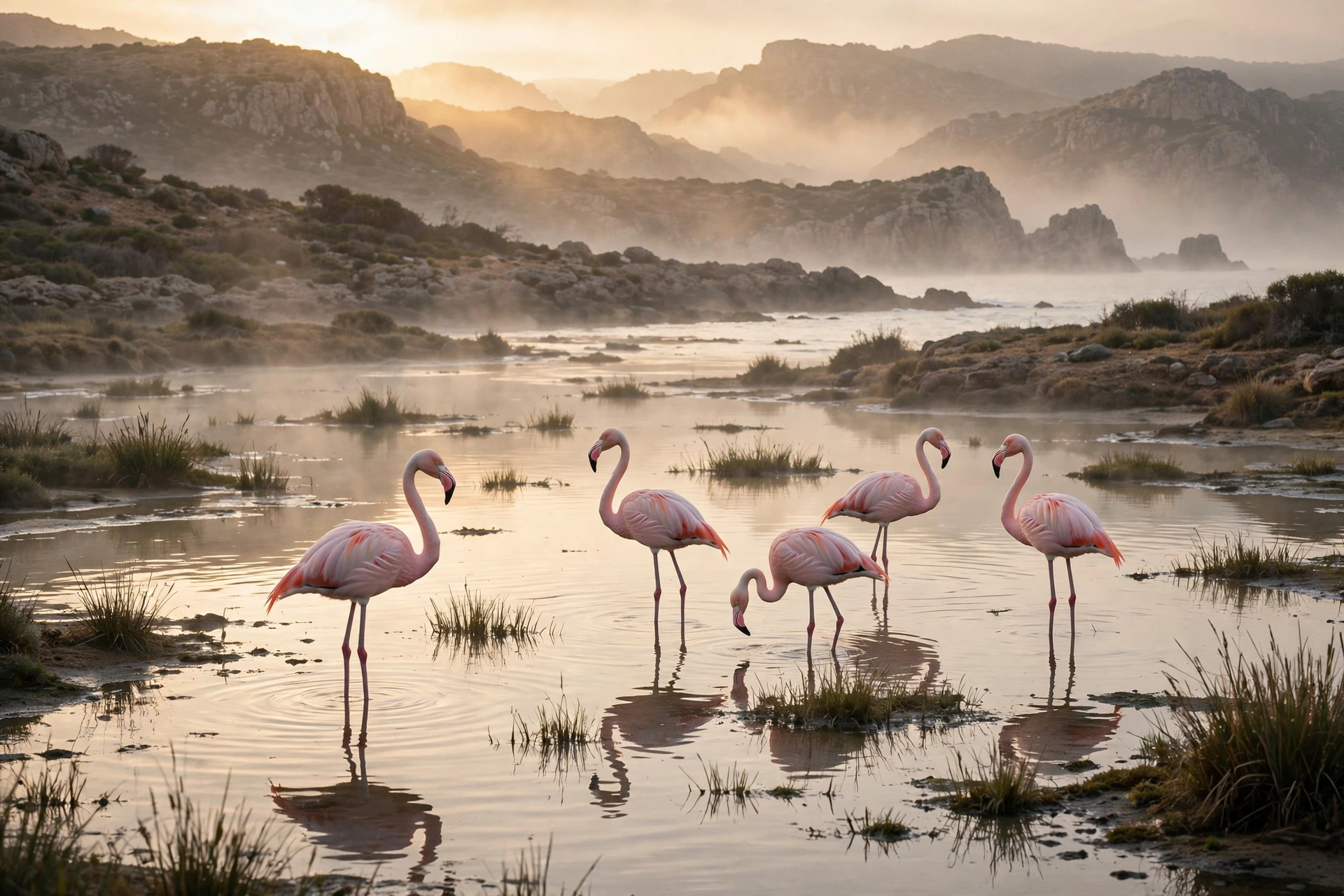
The movement on the streets didn’t start last week; it started in May, with flamingos. The “Flamingo Revolution” began as environmental opposition to luxury resort developments on Albania’s pristine southern coast — projects linked to Jared Kushner‘s Affinity Partners, planned for the protected lagoons of Zvernec and Sazan Island. The flamingo, native to those lagoons, became the symbol. Villagers told Reuters in July that their land had been wrongfully sold for the development; the man who sold it was wanted by prosecutors on suspicion of drug trafficking, his lawyer denied it, and Reuters found no evidence of wrongdoing by Kushner himself.
But the lagoons were only the spark. Students folded in their own grievances — tuition fees, decaying dormitories, degrees that don’t lead to jobs — and underneath both sat the deeper complaint: corruption, nepotism, and a government that has held power since 2013 and stopped listening. Marjana Koceku is 25. Rama hand-picked her last year to run for parliament as a young face of his Socialist Party. This week she stood with the protesters as an independent MP. “The wrong policies that have been implemented by this political elite are completely against what the Albanian communities and Albanian citizens have been asking and seeking for so long,” she said, tear gas drifting nearby. Rama has governed for half her life.
Rama won’t go. “Governments are changed through democratic elections and we had them last year, not through violence,” he told Reuters. He’s blamed a “foreign hand” for the surge — unnamed foreign interests spreading disinformation to destabilize the country — and dismissed the corruption allegations as conspiracy theories. He says he’ll listen to the students’ justified demands and punish those who destroyed property. The opposition Democratic Party has backed the protesters and demanded a caretaker government and early elections. President Bajram Begaj condemned the violence and appealed for calm. The European Commission did both at once: condemned the violence, reaffirmed the right to protest.
That dual message is the shape of the test Albania is now failing, and it’s measured in chapters.
Here’s the arithmetic nobody’s putting next to the riot footage. Albania applied for EU membership in 2009, got candidate status in 2014, and finally opened negotiations in July 2022 after years stalled by the North Macedonia-Bulgaria dispute. Then it sprinted: all 33 negotiating chapters opened in about 15 months. In May it passed the interim benchmarks for chapters 23 and 24 — judiciary, fundamental rights, justice and security — the rule-of-law chapters that set the pace for everything else. The first three chapters were provisionally closed on July 14. Chapter 20, enterprise and industrial policy, closed on October 13, the Brussels conference Rama posted about. The government’s public commitment: ten chapters closed by the end of 2026, negotiations concluded by the end of 2027, membership around 2030. Montenegro, the region’s other frontrunner, has closed 18 and targets 2028.
Now read that timetable against the streets. Chapters 23 and 24 — the ones governing the pace — are about the judiciary, fundamental rights, and the state’s use of force. A government detaining 500 protesters and charging 388 of them while negotiating the closure of its rule-of-law chapters is not a contradiction Brussels can ignore; it’s the negotiation. And there’s a sharper irony buried in the chapter list. The resort project that started the Flamingo Revolution falls under the scope of Chapter 27, environment and climate change, one of the most difficult chapters for any candidate country. The bird on the protest signs is, in a sense, already on the EU’s agenda.
Rama himself has said the escalating violence threatens the EU ambition rather than his government. He’s right about the mechanism and wrong about the direction. The violence doesn’t threaten the ambition as some external weather event. The ambition was always conditional on exactly this: a state that handles dissent without filling detention cells, a judiciary that meets chapter 23’s benchmarks, an environment chapter that can survive a luxury resort on a protected lagoon. The countdown he posted about from Brussels was never just a calendar. It was a test, and the test is now being administered in Tirana every night.
What happens next is procedural and therefore merciless. Intergovernmental conferences, benchmark assessments, chapter-closure votes by 27 member states — none of them pause for domestic politics. The ten-by-2026 commitment has about ten weeks left. The question isn’t whether Rama survives the protests; he’s survived worse. It’s whether Brussels keeps closing chapters for a government at war with its own students. Nobody in the coverage has asked it that way. The flamingos did.