Ron Brewer’s 1985 Nets Stint: A Forgotten Chapter in NBA Free Agency
How the introduction of unrestricted free agency shaped short-term veteran signings in the mid-1980s NBA.
Ron Brewer arrived in New Jersey in 1985 as a journeyman guard running out of runway. The Brooklyn Nets, then operating under their New Jersey banner, signed the former seventh overall pick during a transitional stretch that saw the franchise cycle through veteran talent searching for reliable scoring off the bench.
Brewer’s tenure lasted only a few months before he departed for the Chicago Bulls that fall. During his brief stint, he averaged 10.4 points, 1.4 rebounds, and 1.0 assists per game, according to Basketball Reference.
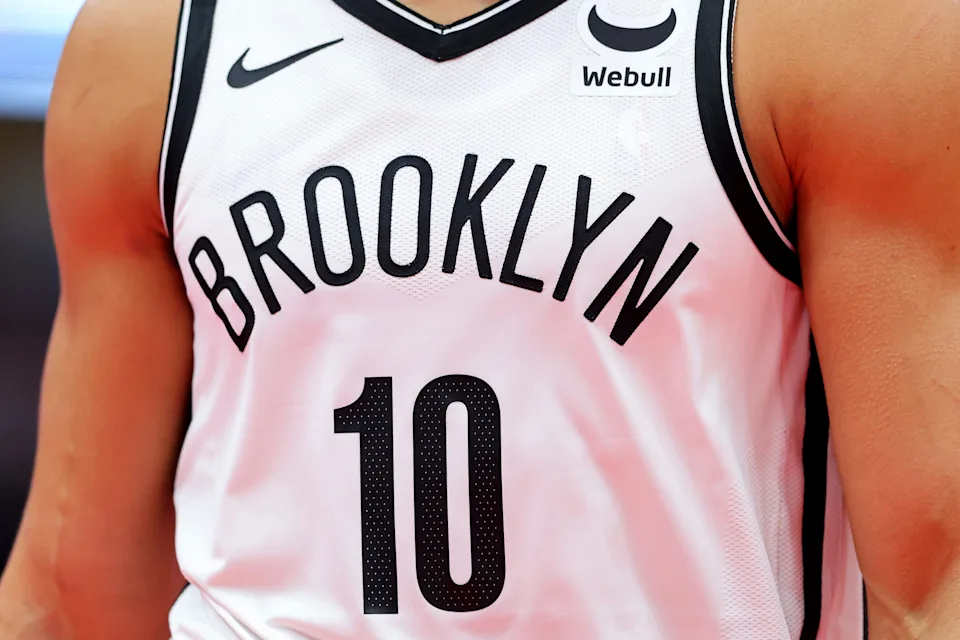
CHICAGO, ILLINOIS – NOVEMBER 03: A detail of Ben Simmons #10 of the Brooklyn Nets jersey against the Chicago Bulls in the first half of the NBA In-Season Tournament at the United Center on November 03, 2023 in Chicago, Illinois. NOTE TO USER: User expressly acknowledges and agrees that, by downloading and or using this photograph, User is consenting to the terms and conditions of the Getty Images License Agreement. (Photo by Michael Reaves/Getty Images)
The 1985 calendar year marked a structural shift in how NBA teams acquired players. The league introduced unrestricted free agency following a landmark agreement between the National Basketball Players Association and team owners, fundamentally altering roster construction. Mid-season signings like Brewer’s became strategic tools rather than desperation moves, allowing franchises to patch rotation holes without surrendering draft capital.
Selected by the Portland Trail Blazers in the 1978 NBA Draft out of the University of Arkansas-Fort Smith, Brewer spent his first three professional seasons in Oregon. He subsequently played for the San Antonio Spurs, Cleveland Cavaliers, and Golden State Warriors, returning to San Antonio for a second stint before landing with New Jersey.
This pattern of rapid movement reflected broader economic pressures in the mid-1980s NBA. Salary caps were newly enforced, and teams frequently released veterans to clear cap space, flooding the market with experienced guards willing to accept short-term contracts. The Nets, who finished 42-40 in the 1984-85 season but struggled early in the 1985-86 campaign, utilized this labor pool to stabilize their backcourt depth.
Brewer’s career trajectory also highlights the lasting value of high draft positioning in that era. As the No. 7 pick in 1978, he entered a league where top-ten selections were expected to produce immediately, facing shorter leashes than modern lottery picks. His path from Northside High School in Fort Smith, Arkansas, to five different NBA franchises over seven years illustrates the volatility confronting late-1970s draftees navigating an evolving financial landscape.