Hennessey Bets $2.5M on a Manual V8 as EVs Dominate
The Texas tuner targets 800 to 850 horsepower and limits production to 71 units starting at $2.5 million.
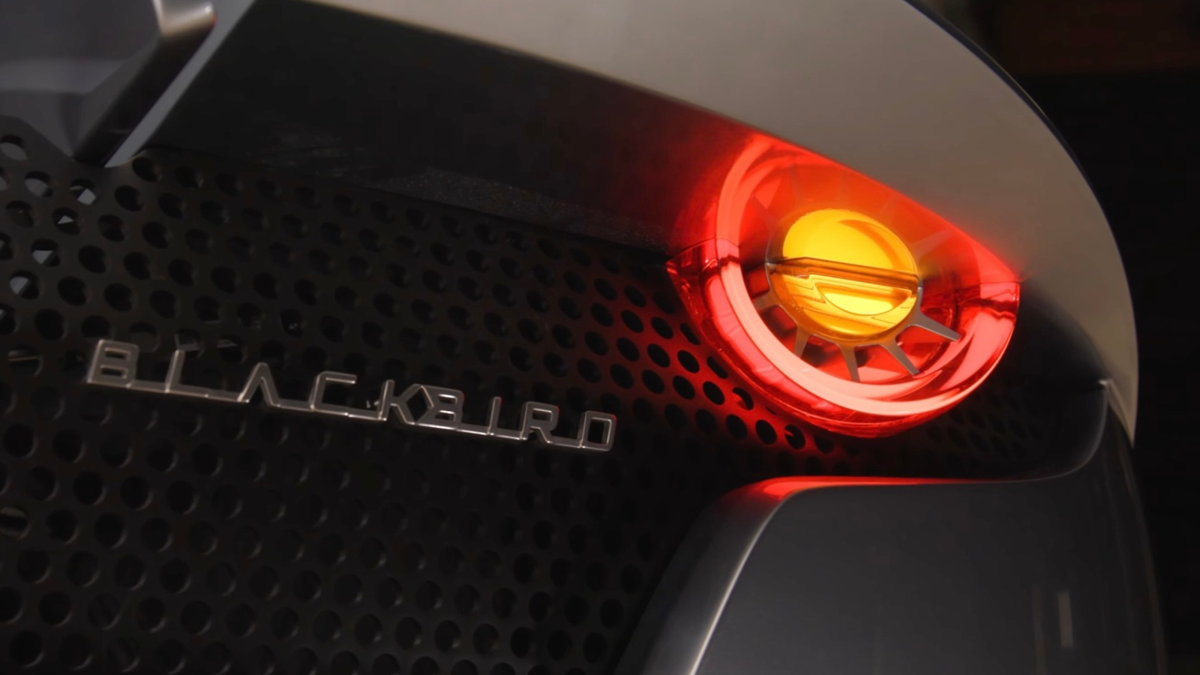
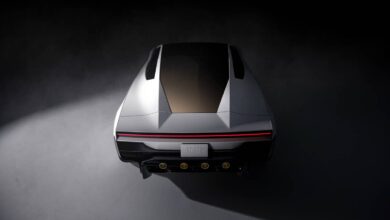
Texas-based tuner Hennessey Performance Engineering is preparing to sell 71 copies of a car that rejects almost every prevailing rule in the modern hypercar market. The Blackbird, previewed recently by television host Jay Leno, pairs a naturally aspirated 6.2-liter V8 engine with a six-speed gated manual transmission and rear-wheel drive.
The mechanical layout stands in stark contrast to the trajectory of the broader performance sector. Lamborghini recently introduced the Revuelto, combining a V12 with three electric motors to exceed 1,000 horsepower. Chinese manufacturers routinely deliver four-figure outputs from battery-electric powertrains at a fraction of the cost. Hennessey, according to Leno’s broadcast, is targeting between 800 and 850 horsepower for the Blackbird. That figure represents a deliberate retreat from the company’s own Venom F5, which generates more than 2,000 horsepower.
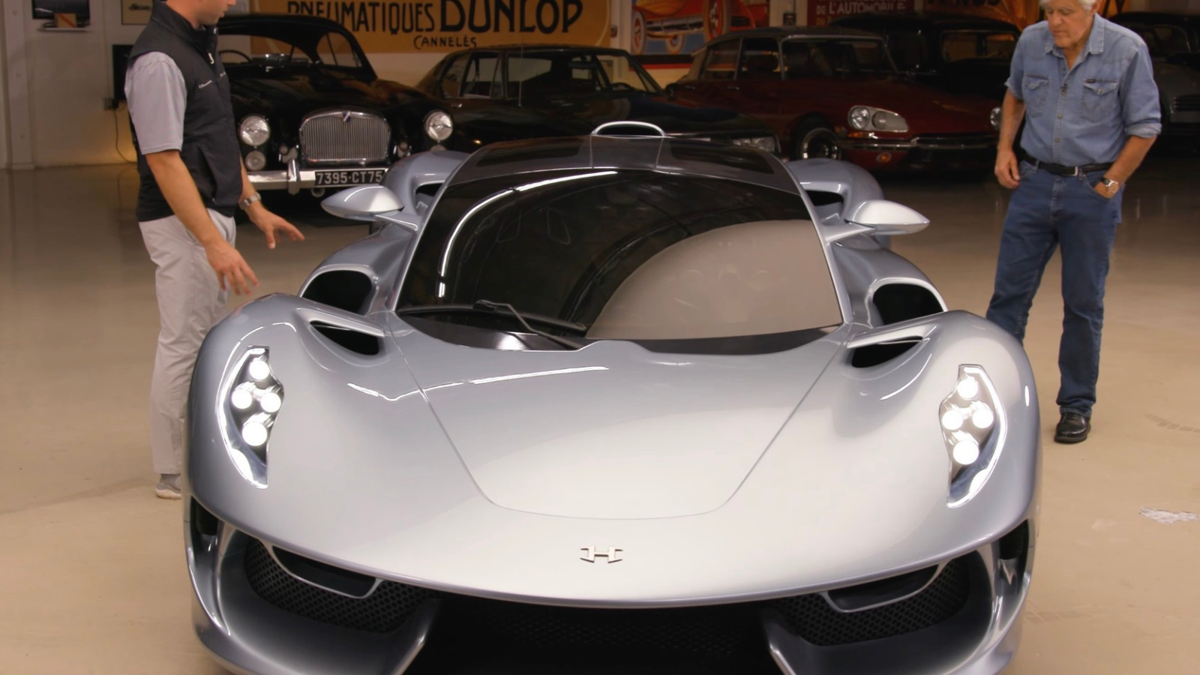
Nathan Malinick, Hennessey’s director of design, told Leno the vehicle draws its name and styling cues from the Lockheed SR-71 Blackbird reconnaissance aircraft. The side air intakes mimic the jet’s fuselage. Headlights incorporate diamond-shaped elements referencing the Bell X-1, the plane Chuck Yeager used to break the sound barrier. Taillights are styled after jet afterburners.
Inside, the cabin omits infotainment screens entirely. The only digital display is a rearview mirror required to satisfy visibility and safety regulations. Malinick said the design team prioritized practical space, noting they kept their wives in mind during development. The front trunk accommodates two full-size carry-on bags.
Manual transmissions have become an endangered species in high-end automotive manufacturing. Porsche discontinued stick shifts in the 911 GT3 for several years before reintroducing them following intense buyer backlash. Ferrari has not offered a manual gearbox since the California model ended production over a decade ago. Selling a $2.5 million vehicle requiring drivers to operate a clutch pedal narrows the potential buyer pool significantly.
The vehicle shown on Leno’s program was a proof of concept. Production is scheduled for 2029 or 2030. By that timeline, battery-electric vehicles will likely extend their current acceleration advantages even further into territory where internal combustion cannot compete on raw numbers alone. Leno told Malinick he intends to be the first person to drive a functional prototype.