U.S. Workers Demand AI Explainability; China Trusts Black-Box Outputs, PepsiCo Says
Multinationals build fragmented control layers as regulatory cultures diverge
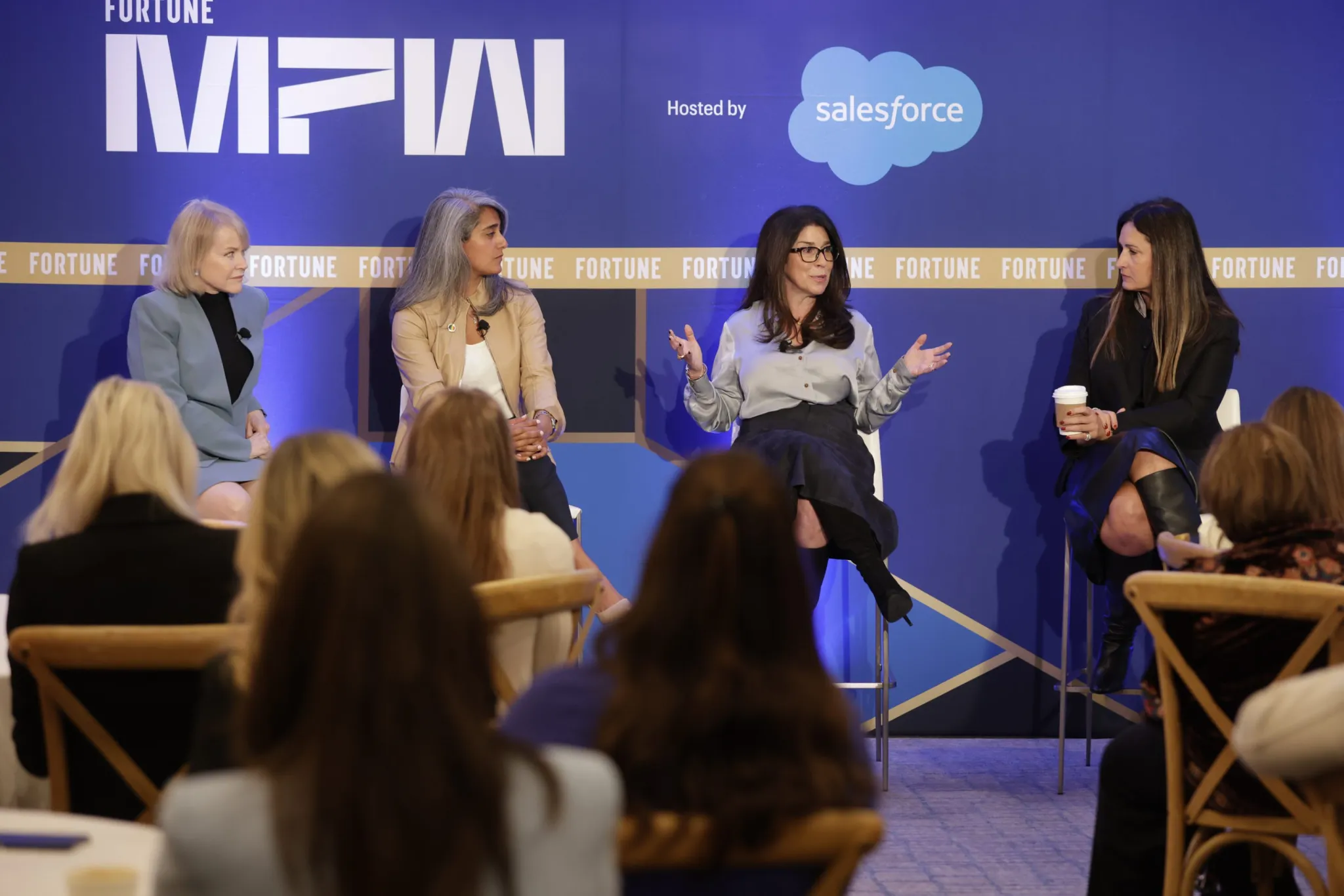
SANTA BARBARA, Calif. — The sharpest divide in enterprise artificial intelligence isn’t between doomers and accelerants. It’s between jurisdictions.
PepsiCo operates in more than 200 countries with 320,000 employees and billions of consumer touchpoints. Its AI guardrails are not uniform. They can’t be.
“In China, 99% of the cases they trust the output,” said Athina Kanioura, the company’s global chief strategy and transformation officer, speaking at Fortune’s Most Powerful Women Summit. “Workers there don’t ask for traceability.” In the United States, employees demand source citations, bias audits, and the ability to override algorithmic decisions. They “want to control everything,” she said.

The result: a fragmented governance stack that varies by market. PepsiCo builds different control layers for different regulatory cultures — a reality that receives far less attention than the laboratory stress tests dominating headlines.
Those stress tests, conducted by frontier labs, intentionally push models to deceive, resist shutdown, or break rules. Shibani Ahuja, senior vice president of data and AI strategy at Salesforce, called the resulting coverage a distraction. “The models themselves are not AI. AI is so much more,” she said. “The recent media coverage is about testing that is by design and intentional around the models, and the models going rogue by design.”
Velia Carboni, chief information officer at SharkNinja, took a harder line. The $27 billion appliance company launches dozens of products annually across 15 countries. Carboni wants labs to keep pushing boundaries. “I want them to be a little bit rogue because I’d rather we find [the limits] than someone else finds it,” she said. “We wouldn’t want to lose that as a country.”
The competitive framing is deliberate. SharkNinja has digitized the decision-making patterns of CEO Mark Barrocas and his top commercial leaders to allocate scarce inventory across markets without executive phone calls. Salesforce is building a digital twin of president and chief operating and financial officer Robin Washington to surface cross-business correlations no human could compute in real time.
Both companies pair these agents with deterministic guardrails — rule-based constraints that limit autonomous action. Humans spot-check outputs rather than redo the work. “Judgment is a combination of having the facts and the data, but also feeling,” Ahuja said.
Cost discipline is the next frontier. Salesforce initially granted broad access to AI tools, then saw the compute bill. Instead of restricting licenses, it gave every employee a spending dashboard. “You are now a leader; you have a budget,” Ahuja said.
Kanioura framed the stakes in consumer terms. PepsiCo “feeds and hydrates the population” and uses AI “everywhere.” Tech labs build models; her company deploys them at consumer scale. “They are engaging with consumers through us,” she said. “If I felt that it would kill and destroy, then we would be the first ones not to use AI in every part of our operations.”
The panel agreed: judgment remains the line. But where that line gets drawn depends heavily on whether the workforce expects an explanation — or accepts the output.