Yelp’s AI Agents Start Talking to Each Other — And That’s Where Things Break
Consumer bots meet business bots — and the conversation fails
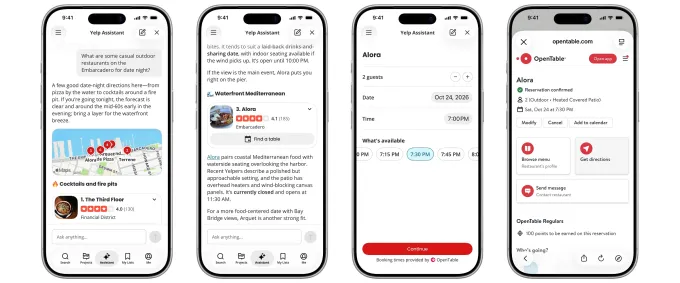
Yelp’s latest feature lets an AI agent call a restaurant to check wait times. The problem: the restaurant increasingly answers with its own AI agent. Early tests suggest the two bots often fail to understand each other, leaving diners without the information they requested.
The feature, called Check for Me, rolls out this week. Users enter party size and phone number; Yelp’s voice agent calls the restaurant and texts back the wait time. But Yelp itself deployed a voice product for restaurants last year. When a consumer agent reaches a business agent, the conversation frequently collapses into repetition or silence, according to people familiar with the trials.
“Agent-to-agent communication might break down the conversation,” Yelp acknowledged in its announcement — a rare admission buried at the end of a feature list.


The breakdown reveals a structural flaw in the current AI rollout. Companies are deploying voice agents on both sides of the phone line without a shared protocol for machine-to-machine negotiation. No standard exists for one bot to authenticate itself to another, exchange structured data, or escalate to a human when confused. The result: dead air, misunderstood requests, and frustrated users who could have just called themselves.
Yelp is simultaneously pushing a paid B2B product that doubles down on the same architecture. Smart Lead Reply, priced at $30 per month, lets businesses deploy an AI agent to handle inbound inquiries — the very calls that Check for Me generates. Meta offers similar tooling for free through WhatsApp and Messenger. Google’s Business Messages has included automated responses since 2021. Yelp’s bet is that its review and intent data make its agent more effective at qualifying leads.
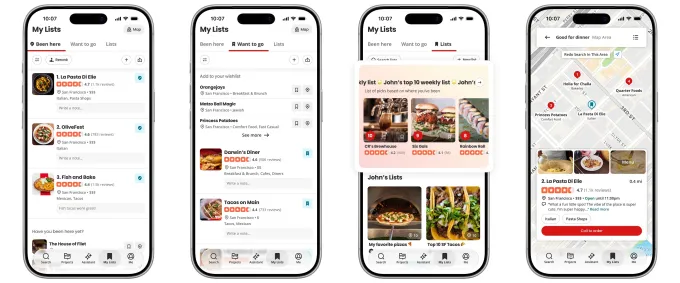
The consumer-facing assistant also gets upgrades: OpenTable booking without leaving the app, 30-day chat history, preference memory, and custom lists. Weekly personalized recommendations launch next month. But the core tension remains — Yelp is building agents that call businesses while selling businesses agents to answer those calls, with no guarantee the two can communicate.
Industry analysts compare the moment to early email, before SMTP standardized message exchange. “We’re in the proprietary protocol phase,” said a voice AI researcher who requested anonymity. “Every platform wants to own the layer. Interoperability is nobody’s priority until it becomes a competitive necessity.”
For now, diners using Check for Me may find their AI assistant stuck in a loop with a restaurant’s AI host — both politely failing to exchange a simple number: how many minutes until a table opens.