Supreme Court to Rule on 1868 Home Distilling Ban
Justices will weigh whether the Fifth Circuit correctly struck down the Reconstruction-era prohibition on making spirits in private residences.
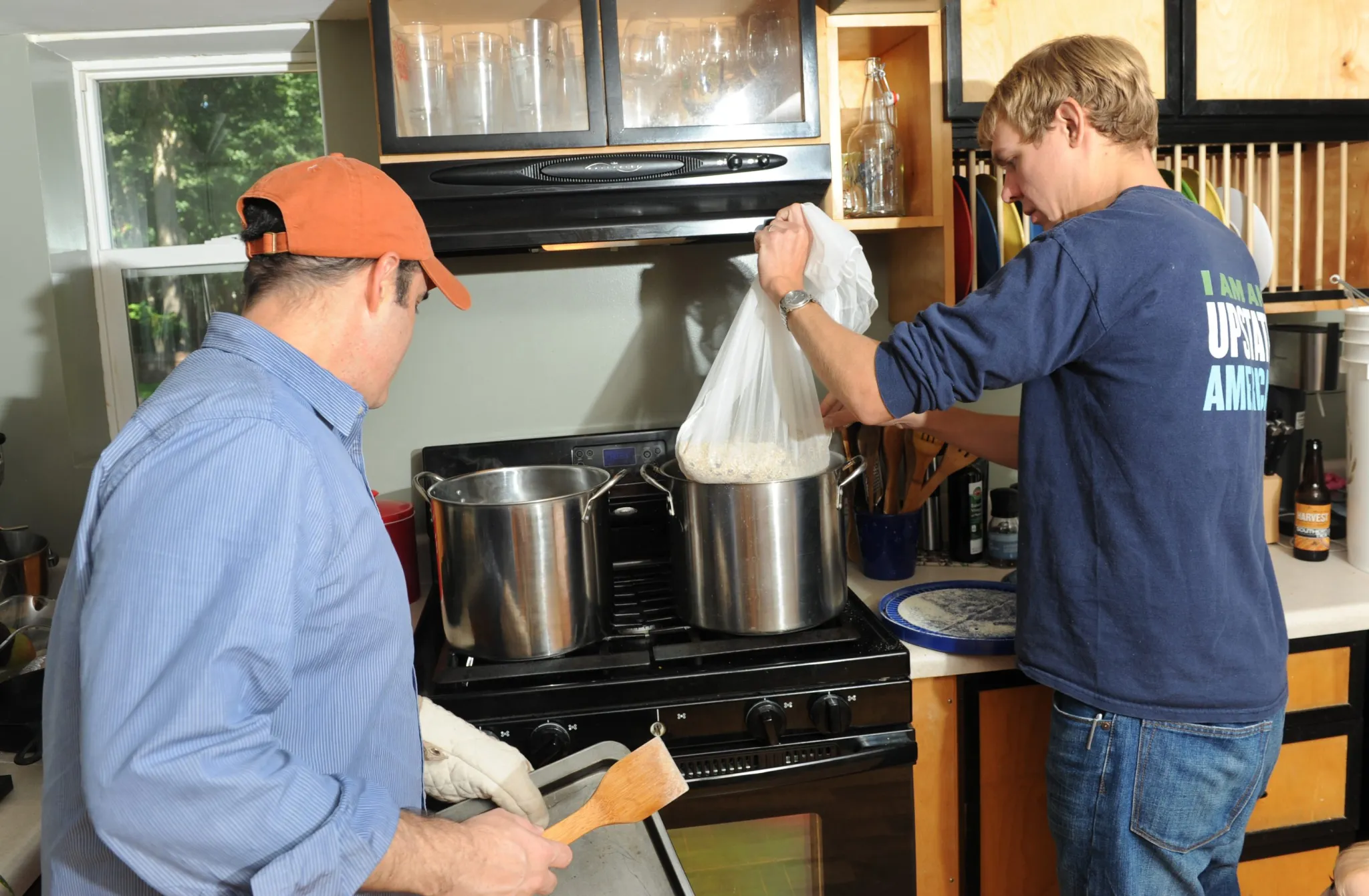
The Supreme Court agreed Monday to review a federal appeals court ruling that struck down the 1868 ban on home distilling, setting up a constitutional test of whether Congress can criminalize making spirits in private residences under its taxing power.
The justices will examine an April decision by the Fifth U.S. Circuit Court of Appeals favoring members of the Texas-based Hobby Distillers Association. That panel concluded statutory prohibitions on in-home distilling fall outside the scope of Congress’ taxing power under the Constitution. The Justice Department preferred the high court take up the Fifth Circuit case rather than a separate Sixth Circuit ruling issued just 11 days earlier that upheld the same law against John Ream, a brewpub owner from Newark, Ohio, who sought to distill whisky at home for personal consumption.
Federal law currently makes home distilling a crime punishable by a maximum sentence of five years in prison and a $10,000 fine. Unlike homebrewing beer — which Congress explicitly legalized in 1978 after decades of prohibition — or winemaking for personal use, producing distilled spirits outside licensed facilities has remained illegal since the Reconstruction era. The government originally enacted the location restrictions as part of a tax reform measure designed to curb fraud by commercial distillers evading federal excise taxes.
Government attorneys argue Congress properly restricted where spirits can be distilled to protect revenue collection. They warned that lifting the ban would violate Supreme Court precedent and erode congressional powers. The regulation and taxation on the production of distilled spirits is as old as Congress itself, Justice Department attorneys noted, adding that lawmakers outlawed home distilling only after lengthy experience with tax evasion. Upholding those restrictions, they wrote, would not open the door to hypothetical laws restricting other conduct lacking that history.
Plaintiffs challenging the prohibition call the 1868 law an antiquated relic of Reconstruction-era politics. Attorneys for the plaintiffs in both cases argue that under the government’s interpretation of the 19th century law, Congress could ban a broad array of activities inside private homes — including cooking, gardening and remote work.
“Our country’s founders would be rolling over in their graves to learn that a pastime in which even George Washington partook, which is as American as apple pie and certainly a lot older, has quite absurdly been turned into a federal crime,” plaintiffs’ attorney Robert Alt said in a statement following the court’s decision to hear the case. Alt said his clients are “thrilled” that the Supreme Court agreed to grant review.
“The importance of this case and the questions it presents could hardly be overstated,” the plaintiffs’ lawyers wrote in their petition. “It presents fundamental questions of the extent of federal power and the powers reserved to the states and the people.”
Ream separately asked the Supreme Court to resolve an additional question of whether location restrictions on home distilling exceed the scope of Congress’s power to regulate interstate commerce. The government urged the high court to avoid that question, stating it was not part of Ream’s case or the government’s current arguments in either case.
___
Follow the AP’s coverage of the U.S. Supreme Court at https://apnews.com/hub/us-supreme-court.