U.S. Debt Service Costs Surge $115B as Deficit Nears $2T
Rising Treasury yields and a $1.993 trillion deficit pushed net interest payments into the top ranks of federal spending.
The cost of servicing the U.S. national debt jumped by $115 billion in fiscal year 2026, an 11% increase that pushed the federal budget shortfall to nearly $2 trillion and forced net interest payments into the top tier of government expenses, according to preliminary data released by the Congressional Budget Office.
That $1.993 trillion deficit for the fiscal year ending Sept. 30 underscores a structural shift in federal finances. Debt service is no longer a background line item. It now competes directly with defense and entitlement programs for funding.
Higher borrowing costs are compounding the problem. Yields on longer-term U.S. Treasurys have climbed as the Federal Reserve raised its benchmark federal funds rate at its September meeting. The central bank has two policy meetings left this year, scheduled for late October and mid-December.


Washington is not the only entity flooding the bond market. Corporate debt issuance has accelerated as companies sell bonds to finance artificial intelligence infrastructure and other capital projects. Investors demanding higher returns for purchasing those bonds have added upward pressure on yields across the board.
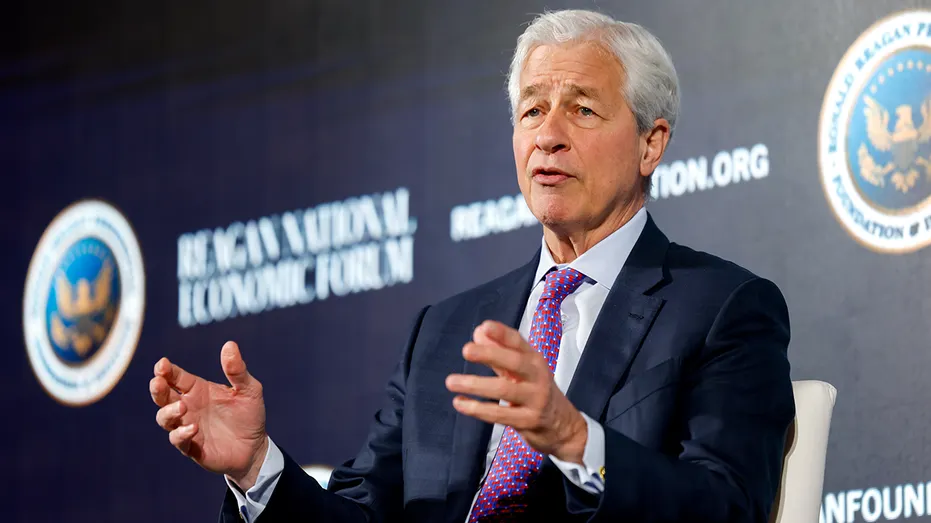
JPMorgan Chase CEO Jamie Dimon flagged the convergence of these pressures in the bank’s quarterly earnings release last week, which disclosed that the nation’s largest lender missed Wall Street profit expectations.
“Large fiscal deficits, sticky inflation, elevated asset prices, rising interest rates and geopolitical conditions continue to shift under the surface,” Dimon said. “These forces may be manageable, but we remain prepared for a wide range of outcomes.”

Fresh inflation readings give the Federal Reserve little room to cut rates. The Bureau of Labor Statistics reported Wednesday that headline consumer price index rose 3.7% year over year in September, exceeding the 3.6% estimate from economists polled by LSEG. Core CPI, which strips out volatile food and energy prices, climbed 2.6%, topping the expected 2.5% gain.
Both metrics sit well above the Fed’s 2% target. Energy prices tied to the Iran war have kept household costs elevated and complicated the central bank’s path forward.
Dimon and other executives, including David Solomon, recently praised the Trump administration‘s pro-business policies. Those comments arrived alongside warnings about the macroeconomic headwinds threatening to offset corporate optimism.
The CBO attributed the bulk of the fiscal year 2026 deficit expansion to the larger national debt combined with persistently higher long-term interest rates. Net interest expenses alone accounted for a significant portion of total federal outlays.