How Matt Mullenweg Survived Automattic’s Board Coup in 33 Hours
The WordPress founder used his 84% voting stake to oust three directors, fire top executives, and install a new board following a dispute over the WP Engine lawsuit.
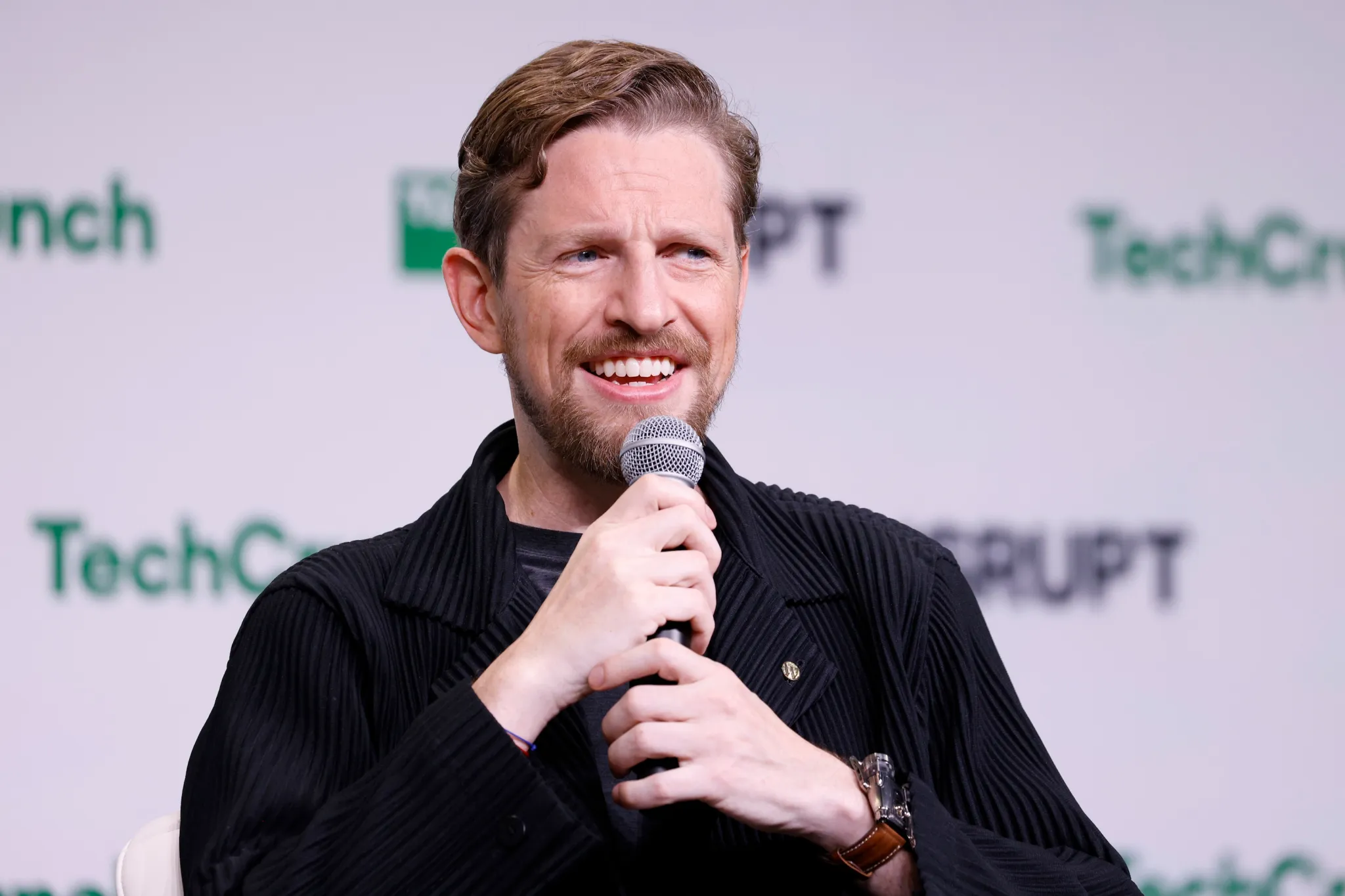
Matt Mullenweg controls roughly 84% of Automattic’s voting stock. That single figure explains how the WordPress founder dismantled a board mutiny in 33 hours last month, and why three veteran directors who tried to sideline him are now gone. The failed coup exposed a deeper fracture inside the $7.5 billion web company: a legal war over open-source contributions that has already cost Automattic 159 employees and triggered federal antitrust scrutiny.
On Sept. 9, a special committee consisting of former CEO Toni Schneider, ex-Yahoo! president Sue Decker, and retired four-star Army general Ann Dunwoody voted to place Mullenweg on paid leave. They installed Chief Financial Officer Mark Davies as interim CEO. Mullenweg broadcast the move himself on Slack, accusing Davies of conspiring with the directors “behind my back.” Thirty-three hours later, he was back. Schneider and Decker resigned. Dunwoody was removed. Davies and Chief Legal Officer Andy Missan were fired after signing severance agreements worth a combined $8.15 million, according to TechCrunch.
Investors were left entirely in the dark. A person familiar with BlackRock’s investment in the company told Fortune they learned about the board’s maneuver from news reports. “I don’t understand how he basically reinstated himself and reversed the decision of the vote,” the person said. “That makes no sense to us.”


It made mathematical sense. Mullenweg holds approximately 84% of Automattic’s voting power, a concentration of control that rendered the board’s action largely symbolic. Former employees described the vote as a suicide mission intended to send a message rather than execute a permanent takeover. There was no mechanism for the directors to overcome his shares.
The message centered on WP Engine.
In 2024, Mullenweg launched a public offensive against the hosting provider, which is majority-owned by private equity firm Silver Lake. He accused WP Engine of extracting value from the free WordPress software without contributing adequately to its maintenance, claiming Automattic donated about 3,900 hours a week to the project while WP Engine returned roughly 40. He demanded an initial $5 million annual cut of WP Engine’s revenue for using the WordPress trademark and blocked the hoster from key resources.
WP Engine sued both Automattic and Mullenweg in October 2024 in federal court in Northern California. The complaint alleged attempted extortion, libel, and business interference. WP Engine later added antitrust claims, which a federal judge revived on Sept. 24. If successful, federal antitrust law permits the recovery of triple damages. Automattic countersued a year after the original filing, alleging trademark infringement.
Mullenweg forced the dispute out of the legal department and into the open. He waged the campaign on his personal blog, on X, and during industry conferences. Employees were expected to support the effort publicly. Those who refused were offered an “alignment package” in October 2024—$30,000 or six months’ salary, whichever was higher, to quit. Exactly 159 people, about 8.4% of the workforce, took it, according to Mullenweg’s blog.
A former team lead who accepted the buyout said Mullenweg’s decision to fight WP Engine publicly instead of negotiating privately guaranteed long-term damage. Naman Malhotra, a former WooCommerce engineering lead who spent nearly five years at the company before leaving in 2025, disagreed. “If you’re using open source, you need to contribute back,” Malhotra said, calling the severance offer unusually generous.
The litigation has since pivoted from trademark disputes to evidence preservation. Federal rules require companies anticipating lawsuits to retain relevant communications. WP Engine argues this obligation began for Automattic in July 2024. After more than a year of discovery, court filings show Automattic produced just 16 of Mullenweg’s Telegram messages, one Signal conversation, and zero WhatsApp messages. Mullenweg lost a phone while traveling. A laptop remains unlocated. His phone was not fully copied until around March 2026.
In September 2024, as the conflict escalated, Mullenweg urged followers on X to contact him using “Signal with disappearing messages.”
WP Engine alleges Automattic’s lawyers made false statements regarding those messages twice in 2025 and has asked Magistrate Judge Ajay Krishnan to dismiss Automattic’s counterclaims as punishment. In August, Missan wrote on the company’s website that the missing data consisted of personal conversations with romantic partners and that nothing relevant to the case was lost.
Richard Painter, a University of Minnesota law professor and former chief White House ethics lawyer under President George W. Bush, told Fortune that destruction or withholding of evidence in civil litigation carries severe consequences. Lawyers who mislead a judge could face disbarment, Painter noted, though attorneys repeating false client information unknowingly are treated differently if they correct the record promptly.
At an Oct. 7 hearing, Krishnan indicated he was leaning toward denying WP Engine’s request to throw out Automattic’s claims. “At the end of the day, I think it starts off with some problematic behavior from Mr. Mullenweg, but I’m just not seeing the rest of the story that would get me to a finding of spoliation,” Krishnan said, according to The Repository. He did note that a 2025 letter from Automattic’s then-lawyers claiming they had taken “all reasonable steps” to preserve Mullenweg’s messages “suggests a little bit more than what was actually done.” Mullenweg’s phone was imaged two weeks after that letter was sent.
“It’s not even just a little bit more. It was false,” WP Engine’s lawyer, Yury Kapgan, replied.
The board’s vote occurred four weeks before that hearing. On the night of the vote, Mullenweg posted that WP Engine’s lawyers “have a pretty good chance of getting a judge to say I spoiled evidence in a malicious way trying to hide something.” He suggested on X and Reddit that Silver Lake orchestrated the board action. He simultaneously posted seeking outside sysadmins and security researchers to move his personal infrastructure off Automattic servers, adding in the same thread that he “fully support[ed]” Davies as interim CEO.
Two weeks after retaking control, Mullenweg installed a new board. It includes science fiction author Hugh Howey, writer Andy Chan, and IRL app co-founders Krutal Desai and Henry Khachatryan.
“Founder advice,” Mullenweg wrote on X. “If you don’t have a coup attempt every few years, you’re not hiring strong enough leaders.”