Ricotta Cheese Is the Secret to Fudgier Brownies
Recipe developers found the soft Italian dairy prevents chocolate baked goods from drying out while keeping the cocoa flavor intact.
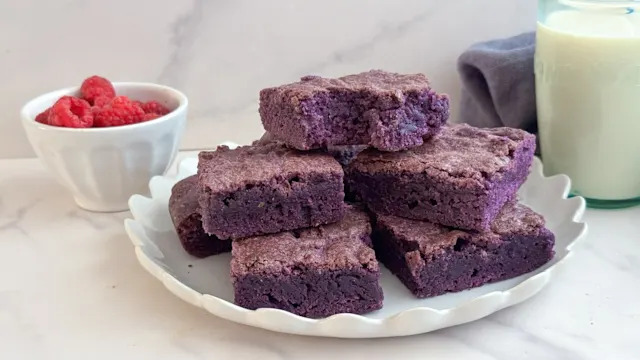
Home bakers looking for moister brownies are increasingly turning to an unlikely pantry staple: ricotta cheese. Mixed directly into batter or layered like lasagna, the soft Italian dairy product adds fat and protein that prevent chocolate baked goods from drying out during baking and storage, according to recipe developers who have tested the method extensively.
The technique emerged during recipe testing for “108 Asian Cookies” and a previous baking cookbook, when the author experimented with folding various yogurts and cheeses into doughs and batters. Creamy dairy additions consistently produced richer textures. Ricotta specifically proved effective because its mild flavor profile does not overpower cocoa, unlike sharper aged cheeses such as Parmesan, cheddar, or feta. The result is a dense, tender crumb that splits the difference between a traditional brownie and cheesecake.
Food scientists have long documented how dairy proteins interact with gluten networks in flour. Casein and whey — both present in ricotta — interfere with gluten formation, yielding softer baked goods. Commercial bakeries routinely rely on similar principles, adding sour cream or buttermilk to cake mixes to extend shelf life and retain moisture. Whole-milk ricotta contains roughly 13 grams of fat per cup, providing the lipid content necessary to coat flour particles and trap water during the baking process.



Three distinct methods dictate how the cheese enters the pan. The most straightforward involves stirring it directly into wet ingredients alongside eggs and oil before combining them with dry components. This works equally well for scratch recipes and boxed brownie mixes.
A second approach abandons mixing altogether. Bakers spread a solid layer of ricotta through the center of poured batter, creating what recipe testers describe as a “brownie lasagna.” The cheese can be sweetened beforehand using sugar, condensed milk, or maple syrup — a preparation identical to cannoli filling. Because ricotta holds its structure at high heat, much like it does in savory baked pasta dishes, the middle layer remains intact rather than melting into the surrounding chocolate.
The third option produces a marbled surface. Dollops of ricotta placed on top of raw batter are dragged through the mixture with a butter knife before the pan goes into the oven.
Tasting Table originally reported on the testing process behind these techniques.