Chinese SUV Jaecoo 7 Tops UK Sales, Rattling Automakers
Hyundai and Ford cite the 10,814-unit monthly surge as proof that deeply discounted Chinese vehicles threaten Western automakers.
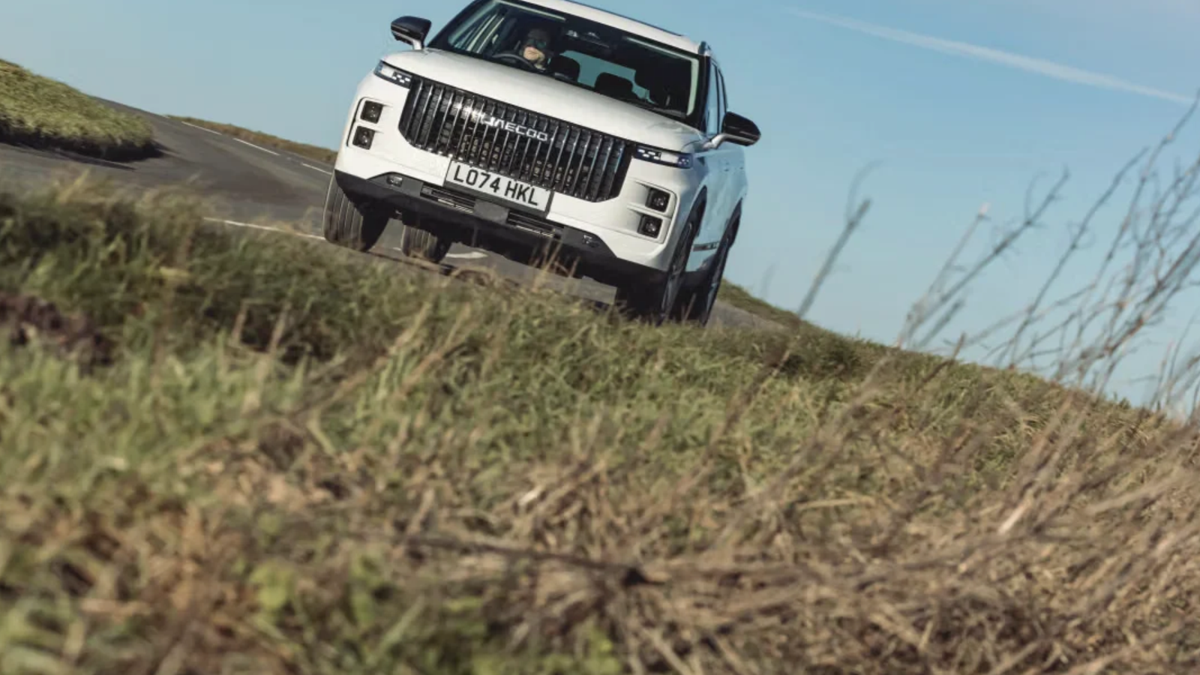
A Chinese-built compact crossover outsold the Tesla Model 3 and Ford Puma in the United Kingdom last month, accelerating warnings from Detroit and Seoul that heavily discounted vehicles from China are eroding Western automakers’ market share. The September registration figures, released by the Society of Motor Manufacturers and Traders (SMMT), put the Jaecoo 7 at the top of the U.K. sales chart with 10,814 units.
Tesla’s Model 3 followed with 9,929 registrations. The Ford Puma logged 6,958, while the Kia Sportage and Tesla Model Y trailed at 6,521 and 5,946 respectively. It marks the second time this year the Jaecoo 7 has taken the number one spot in Britain, repeating a similar surge in March.
Hyundai and Ford have pointed directly to these European results to pressure U.S. policymakers. Hyundai told industry officials that Chinese electric and electrified vehicles are priced 30% to 40% below competing models in Italy, Spain, France, and the U.K., leveraging lower British tariffs on Chinese EVs compared to the levies enacted by the European Union earlier this year.
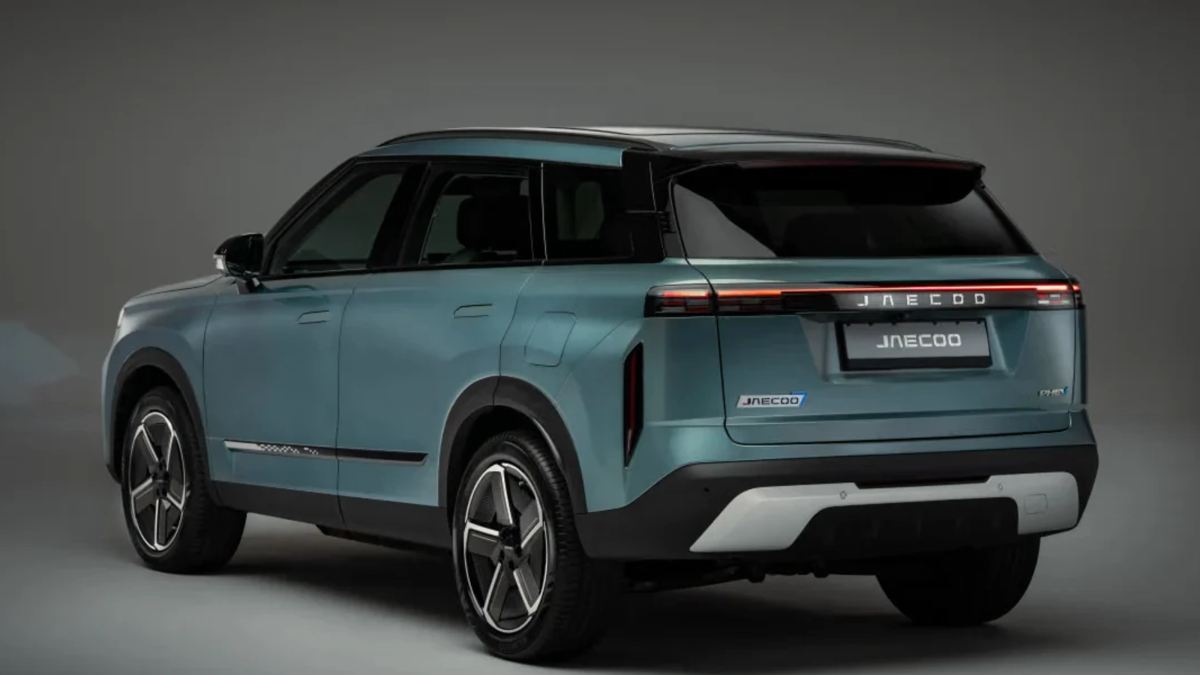
The pricing math explains the volume. A hybrid Jaecoo 7 starts at £29,210 (about $38,800). The comparable Kia Sportage Hybrid opens at £34,895 (about $46,300). Buyers looking for a plug-in hybrid variant pay £35,170 (about $46,700) for the Jaecoo 7 PHEV, undercutting the Toyota RAV4 PHEV by £9,025 (roughly $12,000).
Jaecoo operates as a sub-brand of Chery Automobile, which is actively exploring local manufacturing to sidestep future trade barriers. Industry sources indicate Chery is evaluating production at Nissan’s Sunderland plant in northeast England, a facility currently facing its own restructuring pressures. Building cars inside the U.K. would shield the company from potential tariff hikes mirroring the EU’s recent duties on Chinese-made EVs.
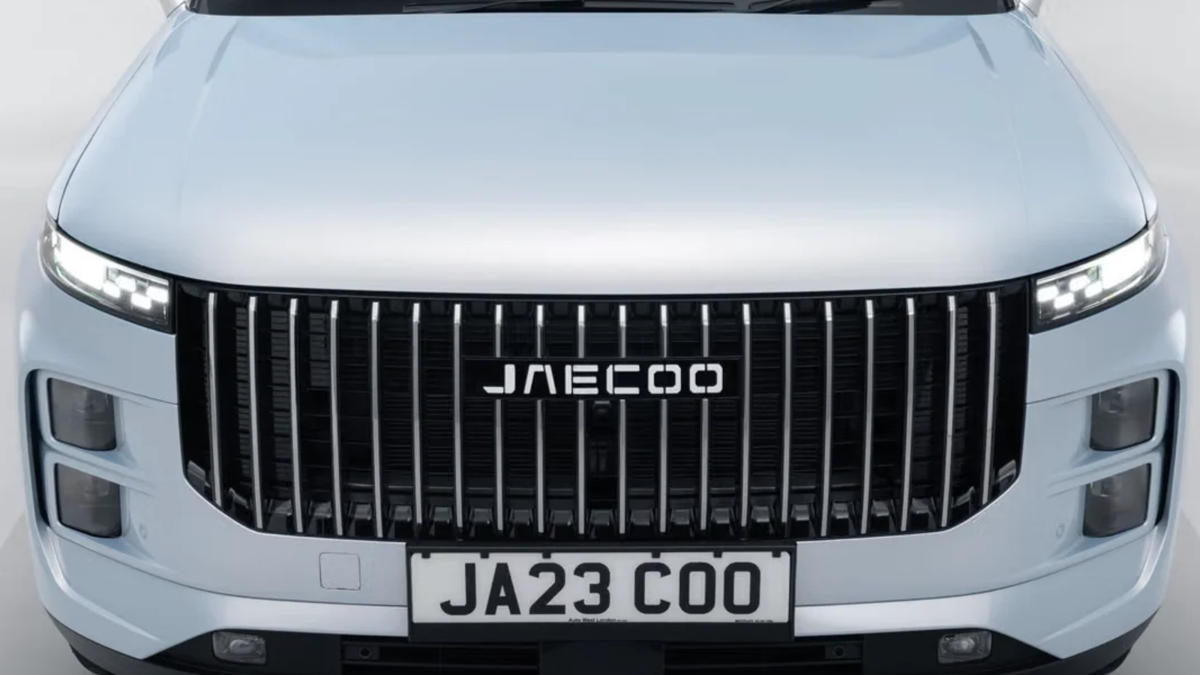
Buyers are treating the unfamiliar badge as irrelevant. Dubbed the “Temu Range Rover” by British automotive press for its upscale styling and bargain pricing, the crossover offers gasoline, hybrid, and plug-in hybrid powertrains. High fuel prices tied to the ongoing conflict in the Middle East have pushed more consumers toward the electrified variants.
American buyers show similar price sensitivity. Research from Cox Automotive found that a significant segment of U.S. consumers would consider purchasing a Chinese vehicle if the discount was steep enough. That threshold is becoming easier to reach as the average new-car transaction price in the U.S. hit $50,562 in September.
Chinese brands remain locked out of the U.S. market by 100% tariffs on Chinese EVs, though they continue expanding operations in Canada and Mexico. Ford executives estimate those brands could reach American roads within the next decade. President Donald Trump has previously signaled openness to Chinese automakers building factories domestically and hiring American workers. For now, the SMMT data out of London shows exactly what legacy manufacturers are preparing to fight.