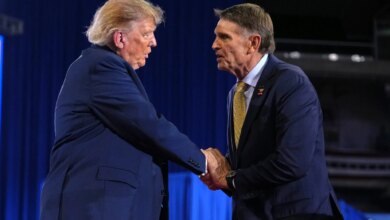
Trump’s Deal-Making Record Faces Scrutiny Ahead of Midterms
Collapsed ceasefires, tariff shortfalls, and lingering lawsuits challenge the White House narrative ahead of Nov. 3.
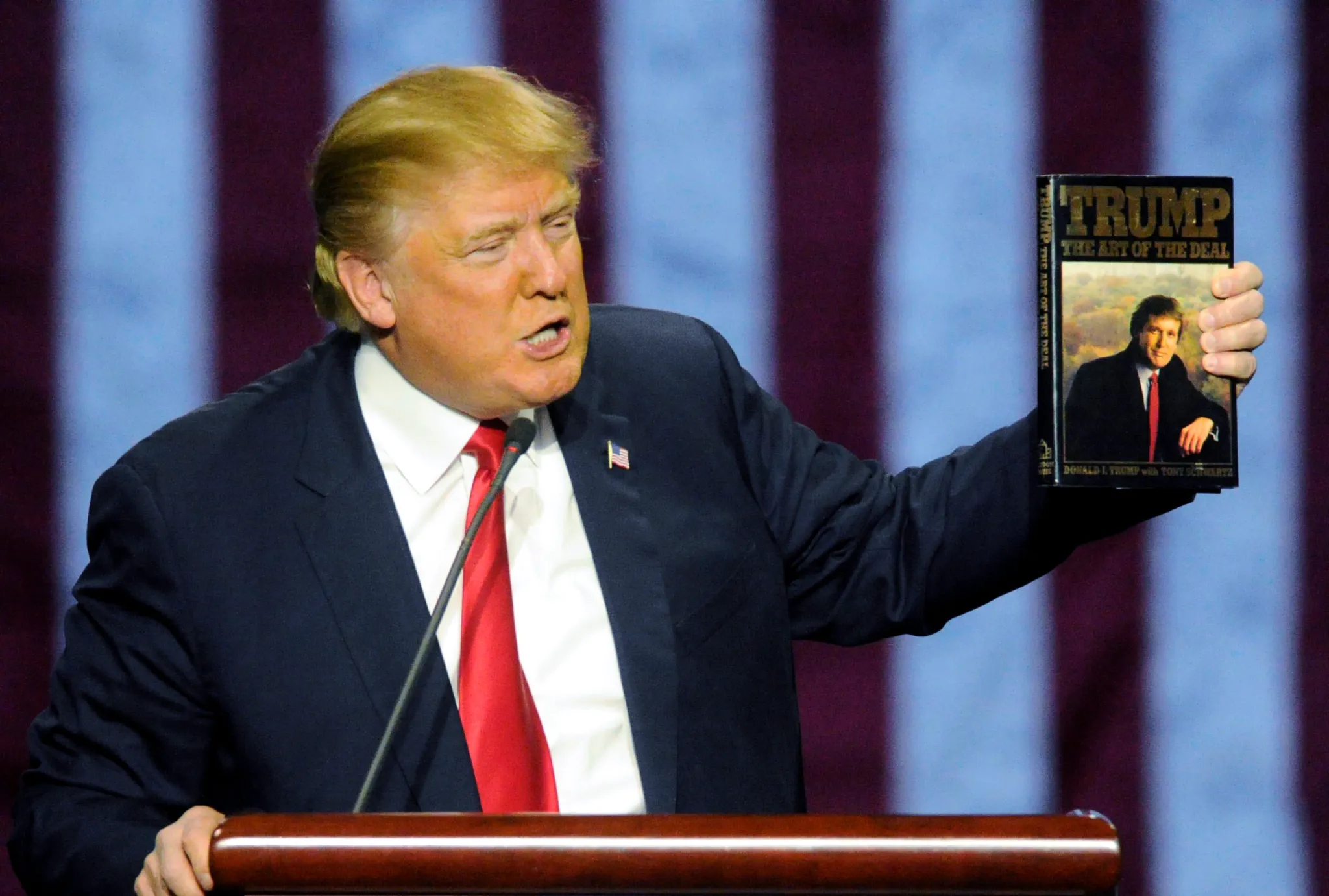
President Donald Trump is campaigning across the country for Republican candidates in the midterm election, urging voters to embrace his record as a master negotiator. But an examination of his administration’s diplomatic and trade agreements reveals a pattern of collapsed ceasefires, inflated revenue projections, and unfinished infrastructure projects that undercut those claims.
The gap between the White House’s rhetoric and its documented outcomes has become a central issue as voters head toward Nov. 3. Approval ratings have sunk to near-historic lows, yet the president continues to describe himself as one of the most effective dealmakers in history.
Foreign policy promises made during his second term have repeatedly stalled. Trump brokered what he called a “great” ceasefire with Iran, insisting Tehran was desperate to end hostilities. The agreement quickly fizzled. He announced a pact preventing Russia and Ukraine from targeting each other’s energy infrastructure. That pause never materialized. “I said, ‘You agreed,’” Trump said when defending the claim. “That’s why.”

On trade, the administration threatened tariffs to extract concessions but instead imposed unilateral duties on allies, including Canada. Those import taxes generated more than $83 billion through September, according to federal data, while raising domestic prices. The figure falls significantly short of the revenue the president projected.
Smaller-scale negotiations have followed the same trajectory. Trump said he had a “guy who’s unbelievable at doing swimming pools” who could repair the Lincoln Memorial’s Reflecting Pool for just over $1 million. Costs have reached closer to $20 million.
White House spokesman Matthew Middleton defended the administration’s track record. “Downplaying President Trump’s record as a dealmaker-in-chief would require overlooking the nearly 20 trade agreements he successfully negotiated and the trillions of dollars in announced manufacturing investments secured during his presidency,” Middleton said in a statement.
Advisers such as Commerce Secretary Howard Lutnick, Interior Secretary Doug Burgum, and former White House press secretary Karoline Leavitt have all used the phrase “dealmaker in chief” to describe the president. Republican South Carolina Sen. Tim Scott posted on X that the Iran ceasefire proved Trump held that title — a post made before the agreement fell apart.
The president points to first-term achievements like the Abraham Accords and a ceasefire agreement that halted fighting between Israel and Hamas in Gaza. Strikes, raids, and killings have continued there since. An early-stage civil nuclear cooperation agreement with Saudi Arabia and an accord to help tap Venezuela’s petroleum reserves remain years away from producing measurable results, if they ever do.
Negotiation experts say the tactics that defined Trump’s real estate career do not translate to international diplomacy. Marty Latz, author of “The Real Trump Deal: An Eye-opening Look At How He Really Negotiates,” noted that the president automatically assumes the power of the presidency translates to negotiation leverage.
“We may have conventional power,” Latz said, “and yet we may not have power at negotiation. Donald Trump used to understand that.”
Christopher Preble, senior fellow and director of the Reimagining U.S. Grand Strategy program at the Stimson Center, said the difference lies in transparency. “You can spin a real estate deal… There’s a certain bit of tap dancing around those details that he just can’t do given what’s happening in the world today,” Preble said.
Former Trump Organization executive vice president Barbara Res, who oversaw construction and wrote “Tower of Lies: What My Eighteen Years of Working with Donald Trump Reveals about Him,” said subordinates routinely manipulated figures to satisfy the boss. Res said she advised contractors to inflate their asking prices before meetings so Trump could negotiate them down and feel he had won.
“Any concession that should be made, he can’t make,” Res said. “He just has to win everything.”
This zero-sum approach extended heavily into the courts. Over 40 years in business, Trump was involved in more than 4,000 pieces of litigation, according to Latz. Refusing to pay contractors and forcing them into prolonged lawsuits served as a cost-reduction strategy.
Those legal battles have followed him into his second term, with active lawsuits against entities ranging from the BBC to JPMorgan Chase. Res warned that avoiding contracts with arbitration clauses forces opponents into court systems where cases drag on long enough to bankrupt them. “The power of being able to manipulate the legal system is terrifying,” she said.
The persona driving these strategies was largely manufactured for public consumption. In 1984, three years before ghostwriter Tony Schwartz published “The Art of the Deal,” a 38-year-old Trump told The Washington Post he could handle Russian arms control better than Ronald Reagan. “It would take an hour-and-a-half to learn everything there is to learn about missiles,” he said. Schwartz later stated Trump did not write the book and may not have read it.
The brand faded until “The Apprentice” debuted in 2004, allowing him to perform the role of a wealthy tycoon for a national television audience. Joel Penney, a professor at Montclair State University who studies pop culture and politics, said that televised image of wealth helped launch his 2016 presidential run because voters believed his success would transfer to them.
Tim O’Brien, author of “TrumpNation: The Art of Being The Donald,” said the upcoming vote will test how much of that belief remains intact. O’Brien noted that Trump deliberately engineers unpredictability in negotiations, operating on the premise that if he causes the chaos, he is the only one positioned to end it.