Mitsubishi Settles $1B Crash Case After Appeal Win
The agreement avoids a retrial after the Pennsylvania Superior Court vacated a $1.01 billion jury verdict over a 1992 3000GT rollover.
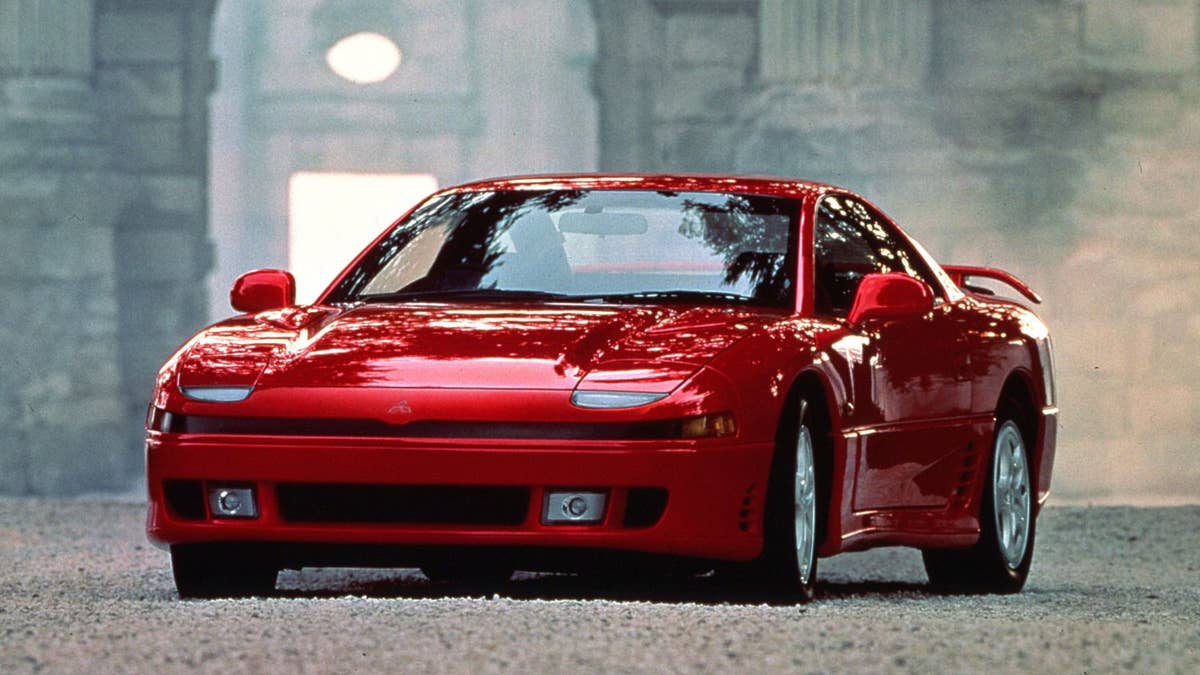
Mitsubishi Motors North America settled a lawsuit last week with Francis and Soomi Amagasu, ending a nine-year legal fight over a 2017 rollover crash that left the driver quadriplegic. The agreement halts a retrial ordered after an appeals court threw out a jury’s original $1.01 billion verdict against the automaker earlier this year.
The settlement amount remains undisclosed. Mitsubishi Motors Corporation confirmed the resolution in a statement, noting it will record a related loss in its consolidated financial results for the second quarter of the fiscal year ending March 31, 2027. The company said the payment will not alter its overall earnings forecast. It also stated the agreement does not constitute an admission of liability by either the parent company or its U.S. subsidiary.
Court records show the litigation stemmed from a Nov. 11, 2017, wreck in Bucks County, Pennsylvania. Francis Amagasu lost control of a 1992 Mitsubishi 3000GT while attempting to pass another vehicle. The sports car struck three trees and rolled over. Amagasu was wearing a seat belt, but his head hit the roof, fracturing his cervical spine. His 14-year-old son, Katutoshi, who was riding as a passenger, suffered minor injuries.
Plaintiffs argued the 25-year-old car’s occupant restraint system and roof configuration were defective. They alleged a rip-stitch feature in the seat belt was designed to tear during a collision, adding roughly four inches of slack. Combined with about three inches of head clearance inside the cabin, the family claimed these factors worsened Amagasu’s injuries. They also alleged the vehicle lacked adequate warnings. These claims were never legally established, as the original verdict was overturned before final judgment.
A Pennsylvania jury initially awarded the family approximately $1.01 billion after six years of litigation, including $800 million in punitive damages. That figure placed it among the largest auto defect verdicts in recent U.S. history, though massive punitive awards are frequently reduced on appeal or through post-trial motions under state tort reform caps.
Mitsubishi challenged the judgment. Last year, the Pennsylvania Superior Court vacated the award and ordered a new trial. The appellate ruling hinged on the trial judge’s failure to instruct the jury on the crashworthiness doctrine.
Under this legal principle, applied when an alleged vehicle defect did not cause the initial accident but may have made the resulting injuries more severe, jurors must evaluate whether a safer alternative design existed. They must also determine exactly which injuries that alternative design would have prevented. Mitsubishi argued the jury needed this framework to properly weigh the 1992 engineering standards against the plaintiffs’ claims. The appeals court agreed the omission was a reversible error.
Rather than face a second jury trial under those stricter legal instructions, both sides opted to close the case. Automakers routinely settle product liability lawsuits following successful appeals to eliminate the financial unpredictability of a retrial, even when the legal precedent has shifted in their favor.
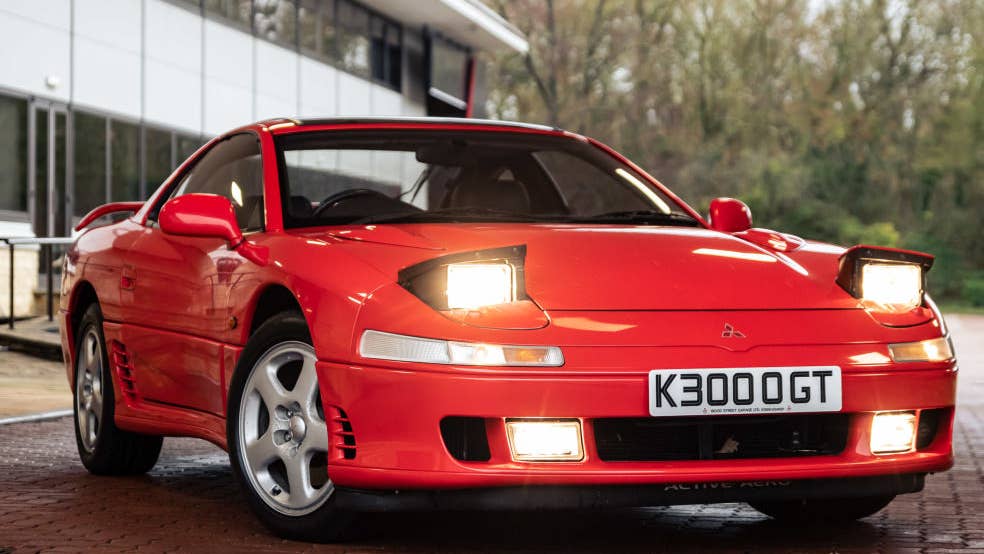
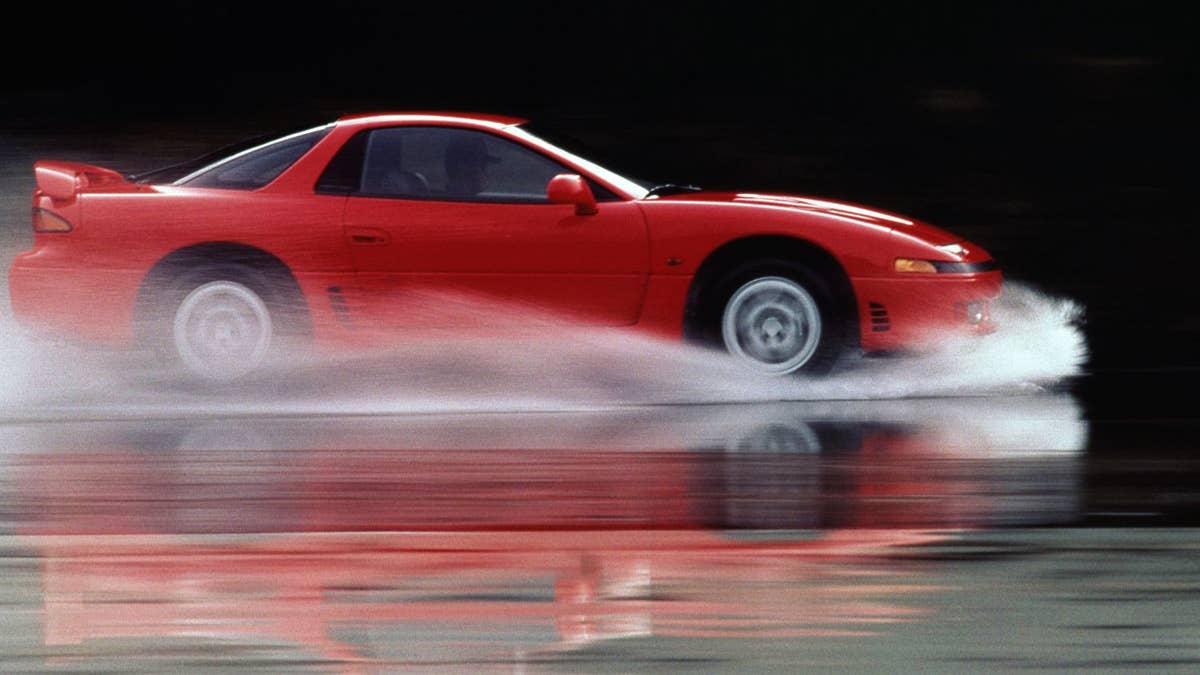
The 1992 Mitsubishi 3000GT, sold in some markets as the GTO, was discontinued in the United States after the 1999 model year. The National Highway Traffic Safety Administration generally limits mandatory safety recall authority to vehicles manufactured within the preceding 15 years, placing the 1992 model well outside the window for federally enforced defect corrections.