86-Year-Old Chauffeur Reads Anniversary Cards for First Time
Alan Hannay relied on memory during his career as a London chauffeur before seeking one-on-one literacy coaching.
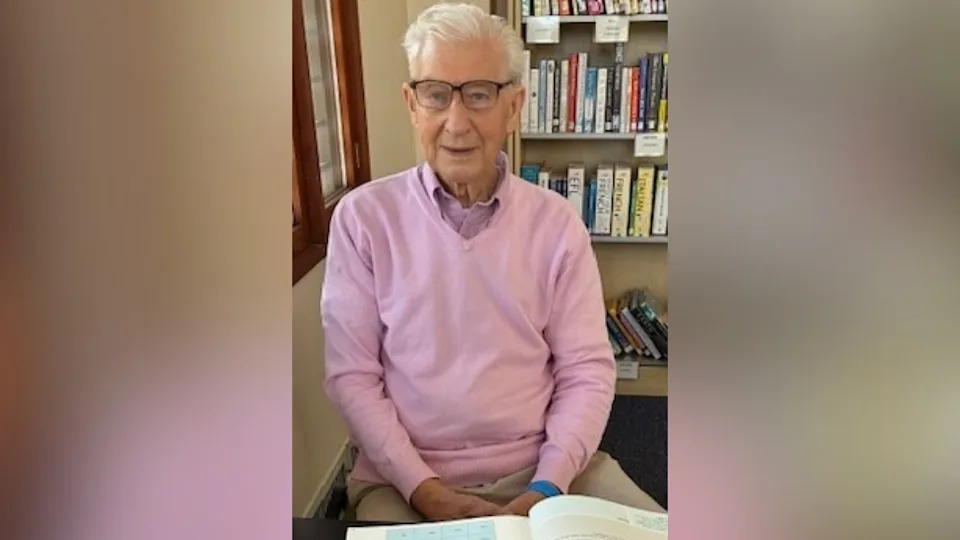
Alan Hannay spent decades navigating London as a professional chauffeur using nothing but his memory. He could not read the street signs. Now 86, the Southampton resident is reading for an hour and a half every morning — including the anniversary cards he and his wife have exchanged for 65 years.
Hannay connected with the literacy charity Read Easy after asking staff at his local library in Hythe about learning to read, according to BBC Radio Solent. The organization paired him with a reading coach named Angie. He currently attends sessions twice a week.
The push to finally seek one-on-one instruction came from a great-grandchild who asked him to read a story aloud. Hannay had attempted evening literacy classes at age 70 but found the group format too difficult to manage, he told the broadcaster.


“It’s changed my whole life, my confidence, changed my family life and everything around me,” Hannay told BBC Radio Solent. “It’s one of the best experiences I’ve ever had in my life.”
Read Easy called Hannay an “inspiring example of determination and courage.” The charity operates across England, where an estimated 2.4 million adults cannot read or struggle significantly with literacy, according to figures cited by the organization.
Adult illiteracy in the United Kingdom frequently goes undetected because individuals develop elaborate workarounds. A 2011 survey by the National Literacy Trust found that roughly 5.1 million adults in England lacked functional reading skills, meaning they could not reliably pass the reading requirements expected of an 11-year-old. Many rely on memorization, audio cues, or spouses to handle paperwork, menus, and correspondence.
Hannay described the charity’s intervention as “absolutely outstanding.” His advice to others hiding similar struggles was blunt.
“The first and most important thing is to admit to people around you that you’re not able to do this,” Hannay said. “And once you’ve admitted that, then you can go and get some help, and the help is there.”