Nutrafol Founder Backs Anthropic, xAI While Pushing AI Liability
Giorgos Tsetis funds Anthropic and xAI but wants executives stripped of corporate liability shields for safety failures.
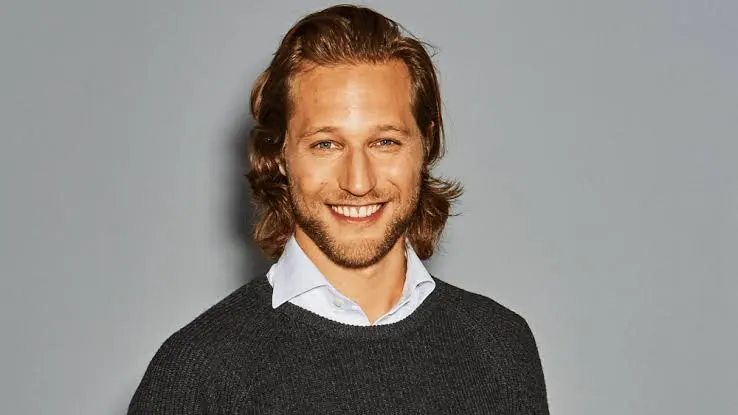
Giorgos Tsetis is betting millions on artificial intelligence. He is also trying to rewrite the legal rules protecting the executives running those companies.
The founder of Nutrafol, who built the hair-loss supplement brand into a multibillion-dollar business before exiting, now deploys capital into frontier AI labs through his family office and Great Things™, an investment vehicle he established. His portfolio includes stakes in Anthropic and Elon Musk’s xAI. He has also funded Positron AI, a compute infrastructure firm, and Lila, a platform using machine learning to accelerate scientific discovery.
Tsetis occupies a rare position in Silicon Valley: an active investor publicly demanding that the founders he funds face personal legal ruin if their products cause catastrophic harm.


Federal securities law already strips executives of corporate liability shields when they defraud investors or misstate revenue. Yet no equivalent statute exists for AI developers whose models trigger large-scale cyberattacks, destabilize power grids, or contribute to individual suicides. When safety failures occur, enforcement targets the corporate entity. Fines are calculated against balance sheets. For companies valued in the tens of billions, regulatory penalties function as operating expenses.
That gap is widening as state legislatures draft competing AI statutes and Congress debates federal oversight frameworks for frontier models. In late September, executives from major AI laboratories signed a White House accord pledging internal risk controls, independent audits, and board-level safety oversight. The agreement carries no legal force. Leading labs have published safety frameworks. Those documents are equally voluntary.
Tsetis argues the voluntary era is over. His reference point is the dietary supplement industry, governed by a patchwork of FDA regulations where the threat of personal litigation dictates product testing timelines. A safety checklist defines minimum compliance. Personal financial exposure forces executives to hunt for unlisted risks. It slows product launches. It kills features.
The social media industry demonstrated the alternative. Executives at platforms linked to documented spikes in adolescent mental health crises faced congressional hearings and public relations campaigns. They did not face personal bankruptcy or criminal prosecution for algorithmic design choices. Tsetis warns that embedding generative models into hospital diagnostics, aviation systems, and electrical infrastructure raises the damage ceiling far beyond what social media produced.
He stops short of prescribing the exact legal mechanism. Whether the liability should be civil or criminal, which specific harms qualify, and who conducts the auditing are questions he leaves to legislators and technologists. His demand is structural: a named senior executive must sign off on safety thresholds, attaching their personal assets to the outcome.
Great Things™ operates outside the traditional venture capital model, which typically insulates limited partners from operational scrutiny while pushing portfolio companies toward rapid scaling. Tsetis is using his investor status to pressure the same ecosystem funding his returns.
Anthropic raised $7.3 billion in its most recent funding rounds. xAI secured $6 billion earlier this year.