

Trump Waives Russia Sanctions to Unlock Diesel Deal With Putin
Executive order suspends the Graham Act's 100% tariffs to secure Russian fuel supplies amid surging global diesel prices and midterm campaigning.
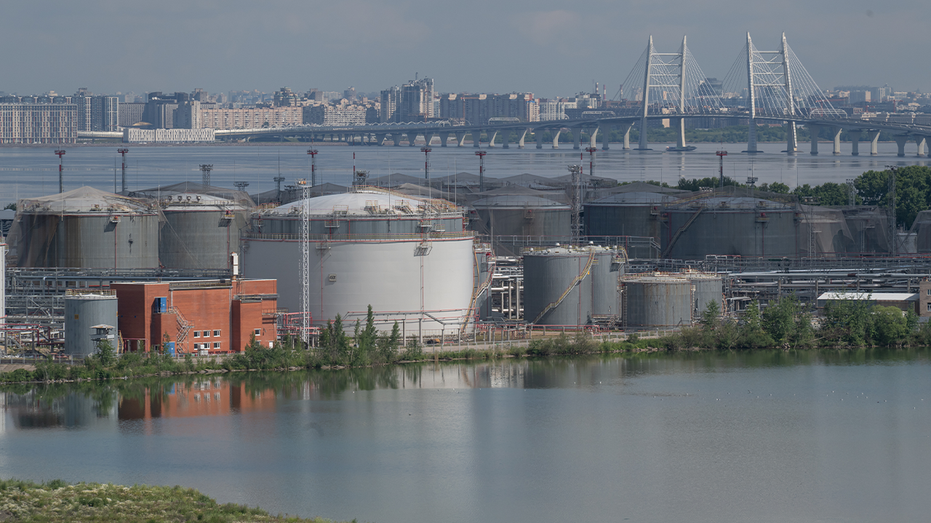
President Donald Trump invoked national interest authority Friday to suspend sweeping tariffs and sanctions targeting Russian energy imports, clearing the path for a direct agreement with Moscow to release millions of tons of diesel into global markets.
The executive order effectively neutralizes the Graham Act, legislation Trump signed last month that mandated penalties of up to 100% on goods entering the United States from nations purchasing Russian crude oil or natural gas. The law included a 30-day compliance window for foreign buyers before the punitive tariffs took effect.
Waiving the statute represents a sharp reversal from the aggressive secondary sanctions framework Congress designed to choke Kremlin revenue. Secondary sanctions historically target third-party countries rather than the sanctioned nation directly, forcing allies and trading partners to choose between U.S. market access and Russian commodities. By dismantling this mechanism, the administration is signaling that securing immediate fuel supplies outweighs maintaining maximum economic pressure on Moscow.


Under the arrangement negotiated directly with Russian President Vladimir Putin, the Kremlin committed to eventually flooding the market with diesel reserves. The concession targets surging pump prices and tightening global distillate inventories, which have strained logistics networks and consumer budgets heading into winter.
Global diesel markets operate differently than crude benchmarks. While Brent and West Texas Intermediate dominate headlines, middle distillates like diesel power commercial trucking, agricultural equipment, maritime shipping, and industrial generators. A shortage in diesel creates cascading inflation across supply chains faster than crude fluctuations. Russia remains one of the world’s largest exporters of refined petroleum products, operating massive transshipment infrastructure including the St. Petersburg Oil Terminal in the Baltic region.

The late South Carolina Sen. Lindsey Graham championed the underlying legislation as a tool to force European and Asian economies to permanently decouple from Russian fossil fuels. Graham died earlier this year, leaving the act as one of his final legislative achievements. Suspending it so quickly after enactment removes a primary enforcement lever that Western allies anticipated would reshape energy trade flows through 2027.
This policy shift arrives alongside a separate diplomatic track involving an energy ceasefire between Russia and Ukraine. Halting strikes on energy infrastructure has been a recurring demand from Kyiv as winter approaches, given the systematic destruction of Ukrainian power generation facilities over the past three years. A durable pause in attacks on refineries and grids would stabilize regional output, though previous temporary truces brokered during the conflict collapsed within weeks.
Vice President JD Vance joined Trump in Ohio to promote the broader economic agenda tied to these energy negotiations. The Midwest swing serves dual purposes: pitching lower fuel costs to voters ahead of the midterm elections while defending the administration’s decision to bypass its own recently enacted sanctions regime. Ohio’s heavy manufacturing base and reliance on freight transport make diesel pricing a potent political metric.
U.S. refiners currently process record volumes of crude but frequently struggle to produce enough diesel to meet domestic demand, relying heavily on Gulf Coast exports and imports to balance regional deficits. The administration expects the Russian supply injection to relieve this specific bottleneck without requiring emergency releases from the Strategic Petroleum Reserve, which primarily stores unrefined crude rather than finished distillates.
Treasury Department officials are expected to issue formal guidance next week detailing how customs agents will implement the waiver at ports of entry and which specific tariff codes under the Graham Act are suspended.









