Fentanyl Haul, School Shooting and Tesla Roadster Lead U.S. News
From a multi-million-dose fentanyl bust to a historic KFC beverage split, key developments shaping the country today.

Federal agents in Nevada seized a quantity of fentanyl large enough to kill millions of people from an undocumented immigrant, the Department of Justice announced Thursday, underscoring the persistent lethality of synthetic opioids crossing the southern border.
The Drug Enforcement Administration has repeatedly warned that just two milligrams of fentanyl constitutes a fatal dose. Seizures capable of yielding millions of lethal doses reflect the industrial scale at which Mexican cartels now manufacture the drug using precursor chemicals sourced primarily from China. Unlike plant-based narcotics such as cocaine or heroin, synthetic opioids require minimal agricultural infrastructure, allowing traffickers to produce massive volumes in clandestine laboratories and smuggle them through standard commercial corridors. Border interdiction efforts have intensified throughout 2026, yet the sheer potency of the substance means even small evasion rates translate into catastrophic domestic overdose numbers.
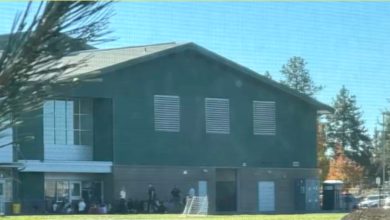
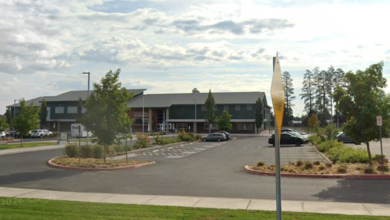
Violence struck a school earlier this week when three children and a teacher were killed before a community member physically intervened to halt the attack. The intervention by a bystander echoes a pattern seen in several recent mass casualty events where immediate action by civilians on the scene stopped shooters before law enforcement could arrive. Active shooter data compiled by the FBI consistently shows that these incidents end in five minutes or less, making rapid civilian response a critical factor in survival rates while police mobilize.

In the automotive sector, Tesla formally unveiled its long-delayed Roadster, integrating cold-gas thruster technology developed in partnership with SpaceX. The sports car, first teased by CEO Elon Musk nearly a decade ago, represents a rare instance of aerospace engineering migrating directly into consumer vehicles. The thrusters are designed to dramatically improve acceleration and cornering rather than enable sustained flight, though the marketing language has leaned heavily into aviation terminology. Whether the vehicle can meet federal motor safety standards with pressurized gas systems installed remains a question for the National Highway Traffic Safety Administration as the car moves toward production.
Political friction dominated several races ahead of the midterm elections. In Maine’s closely watched Senate contest, incumbent Dan Sullivan accused his Democratic challenger of receiving debate questions in advance, injecting allegations of impropriety into a race already fueled by heavy spending from billionaire donors. The toss-up contest has drawn national attention as both parties fight for control of the upper chamber.
Meanwhile, the White House press secretary acknowledged never retaking the bar exam after initially failing it, a disclosure that prompted scrutiny over the legal credentials of senior communications staff. Historically, several prominent political figures have operated without active law licenses, though the role of press secretary rarely requires one.
On Capitol Hill, suspicious letters mailed to multiple Democratic senators triggered a nationwide FBI investigation. Threats directed at lawmakers have escalated sharply since 2020, forcing the U.S. Capitol Police to dedicate increasing resources to mail screening and threat assessment protocols.
A separate privacy battle is unfolding in federal court, where a lawsuit alleges the Trump administration illegally harvested voter registration files from 47 states. Voter roll maintenance falls under state jurisdiction, governed by the National Voter Registration Act of 1993, and unauthorized federal aggregation of these databases raises significant statutory and constitutional questions regarding election administration.
In corporate news, KFC ended a nearly four-decade beverage partnership with PepsiCo, signaling a major shift in fast-food supply chain alliances. Exclusive pour agreements between restaurant chains and beverage conglomerates dictate billions in syrup sales annually, and breaking a contract of this duration suggests either a substantial financial offer from a competitor like Coca-Cola or a fundamental restructuring of the brand’s menu strategy.
The Supreme Court agreed to hear a case testing whether preparing meals for designated terrorist organizations legally bars an individual from seeking asylum in the United States. The ruling will clarify the boundaries of “material support” statutes under immigration law, distinguishing between coerced labor and voluntary assistance for refugees fleeing conflict zones.
The FBI also confirmed the capture and return of a fugitive accused of defrauding the federal food stamp program of $600,000. SNAP fraud at this scale typically involves organized trafficking rings converting electronic benefits into cash, a felony that carries severe federal penalties.
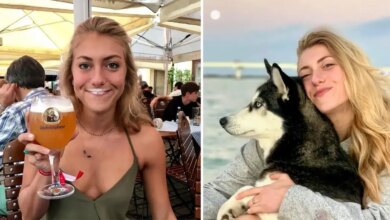
Authorities in Texas handed down an unconventional sentence to a woman convicted of killing a college student in a drunk driving crash, reflecting a broader judicial trend toward restorative and highly specific punishments in DUI fatality cases rather than relying solely on standard prison terms.
Rep. Ilhan Omar’s husband publicly addressed rumors circulating online that the Minnesota congresswoman had fled the country, categorically denying the claims.
The FBI is currently processing forensic evidence from the suspicious mailings targeting senators as the investigation expands across multiple jurisdictions.