Mike Tomlin Discusses Autism Spectrum and Minecraft City
The former Pittsburgh Steelers coach reflected on neurodivergence while detailing a decade-long digital architecture project following his move to NBC.
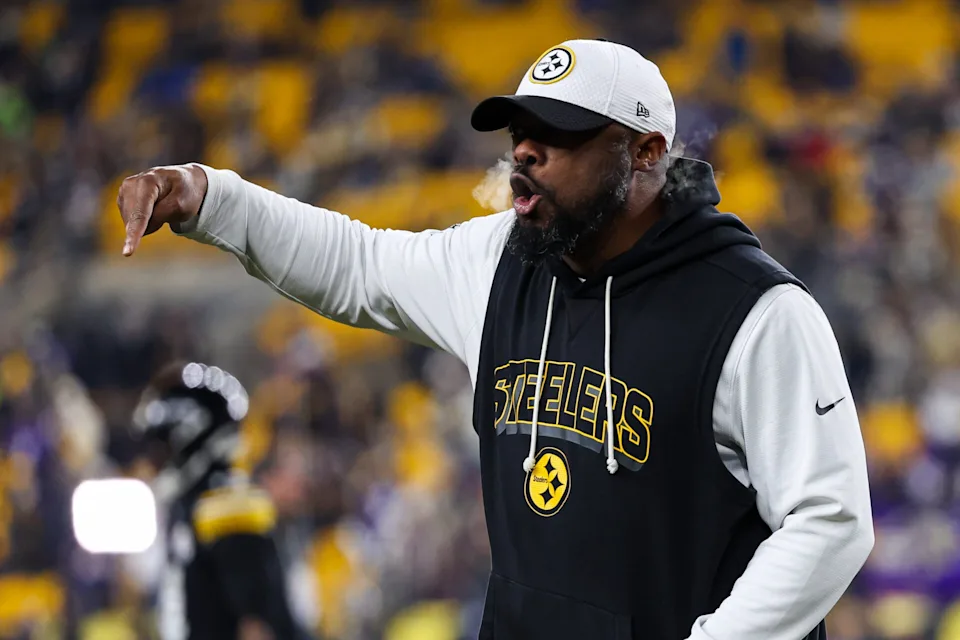
Mike Tomlin stepped away from the Pittsburgh Steelers sideline in January, but his departure from a 193-114-2 regular-season coaching career has triggered something rarer in professional sports: a voluntary dismantling of the public persona required to lead an NFL franchise.
Speaking with GQ, the 54-year-old addressed his private life, his transition into broadcasting, and a decade-long architectural project inside the video game Minecraft. During the conversation, Tomlin offered a personal observation about his neurology, stating, “I am probably on the spectrum. My wife would say that.”
Tomlin did not disclose a formal medical diagnosis of autism, nor did he indicate he had undergone clinical evaluation. His remark was a self-directed reflection prompted by a discussion about his intense focus on digital world-building rather than a definitive health announcement. Public figures in American football rarely discuss neurodivergence, making the admission notable given the sport’s historical emphasis on rigid conformity and stoicism among its leaders.


The hobby driving the conversation began as a shared activity with his children. Over more than ten years, it evolved into an elaborate virtual city featuring high-rises, hotels, and complex infrastructure. Tomlin continued expanding the project long after his sons left for college, treating the sandbox environment as a solitary creative outlet disconnected from the pressures of game planning and roster management. Earlier this month, he released a video tour of the digital metropolis, providing visual evidence of the meticulous effort involved.
Minecraft, developed by Mojang Studios and acquired by Microsoft in 2014, allows players to construct three-dimensional environments using textured blocks. While frequently associated with younger demographics, the game maintains a substantial adult player base drawn to its open-ended engineering and design mechanics. For someone whose professional life demanded constant interpersonal management and reactive decision-making, the deterministic logic of block placement offered a stark contrast.
“They don’t want to know that you’re a human,” Tomlin said regarding the expectations placed on NFL head coaches. The culture of the league traditionally discourages vulnerability or eccentricity from its leadership. Coaches are expected to function as infallible strategists, a dynamic that often flattens their public identities into press-conference clichés and sideline reactions.
That dynamic shifted when Tomlin resigned following Pittsburgh’s playoff loss to the Houston Texans. His tenure remains one of the most stable in modern NFL history. He never recorded a losing season, guided the franchise to two Super Bowl appearances, and secured a championship in Super Bowl XLIII against the Arizona Cardinals. Only Don Shula holds a longer continuous streak of non-losing seasons among head coaches who spent their entire careers with a single franchise.
Since leaving Pittsburgh, Tomlin joined NBC‘s “Football Night in America” studio panel. The role requires analytical commentary rather than organizational leadership, altering how he interacts with the sport and the media covering it. Whether he intends to return to an NFL sideline remains unresolved. His current broadcast contract keeps him embedded in the league’s weekly rhythm without the operational burden of managing a 53-man roster.
The release of his Minecraft city tour preceded his broader television debut at NBC Sports.