Fission Raises $10M to Solve Tokenized Fund Liquidity
The Pantera Capital-led Series A targets the secondary market gap preventing fast exits from blockchain-based private equity and credit holdings.
Tokenizing private fund shares on a blockchain eliminates paperwork, but it does not create a market. Investors holding digital tokens representing stakes in funds managed by firms like BlackRock or Apollo still face the same fundamental constraint that has defined private markets for decades: finding a buyer willing to take the other side of a trade can take months.
New York-based startup Fission is attempting to collapse that timeline to under two minutes by acting as the counterparty itself. The company announced Thursday that it closed a $10 million Series A funding round in September, led by Pantera Capital with participation from Circle Ventures, Borderless Capital, and investor Ari Rubenstein. Fission declined to disclose its valuation.
The liquidity gap represents the most significant structural flaw in the current wave of asset tokenization. While major financial institutions have aggressively moved to place investment products on digital ledgers—BlackRock expanded its tokenized money market offerings in August and JPMorgan launched its second U.S. tokenized money market fund in May—the infrastructure to exit those positions remains largely unbuilt. Global regulators at the International Organization of Securities Commissions previously noted that the industry has prioritized issuance technology over secondary trading venues. Data from digital investment platform InvestaX confirmed this dynamic in June, showing that investors in tokenized private-credit products overwhelmingly process capital movements directly through the underlying funds rather than selling holdings to peers.


Traditional private equity and credit funds enforce strict lockup periods, often restricting withdrawals to quarterly or semi-annual windows with advance notice requirements sometimes exceeding 90 days. Placing these assets on a blockchain changes the record-keeping mechanism but leaves the legal and economic constraints of the underlying fund intact. Without an active secondary market, a digital token representing an illiquid private asset remains functionally illiquid.
Fission addresses this by purchasing the tokenized shares directly from the seller. Investors connect their digital wallets and submit a sale request. The platform processes the legal transfer and trading mechanics internally, settling the transaction in roughly 90 seconds. Fission charges a fee for providing immediate liquidity, effectively operating as a principal buyer rather than a matching exchange.
“Where tokenization is today has really been focused around the bridging layer and the issuance layer… but what Fission is focused on—the post-tokenization problem—almost nobody is focused on,” said Franklin Bi, general partner at Pantera Capital.
The firm’s client base currently skews institutional. Users include domestic and international hedge funds holding tokenized private-credit or equity positions, cryptocurrency organizations managing corporate treasuries, and stablecoin issuers seeking yield on reserve assets parked in tokenized investments. A smaller segment of high-net-worth individuals also uses the service to liquidate personal holdings.
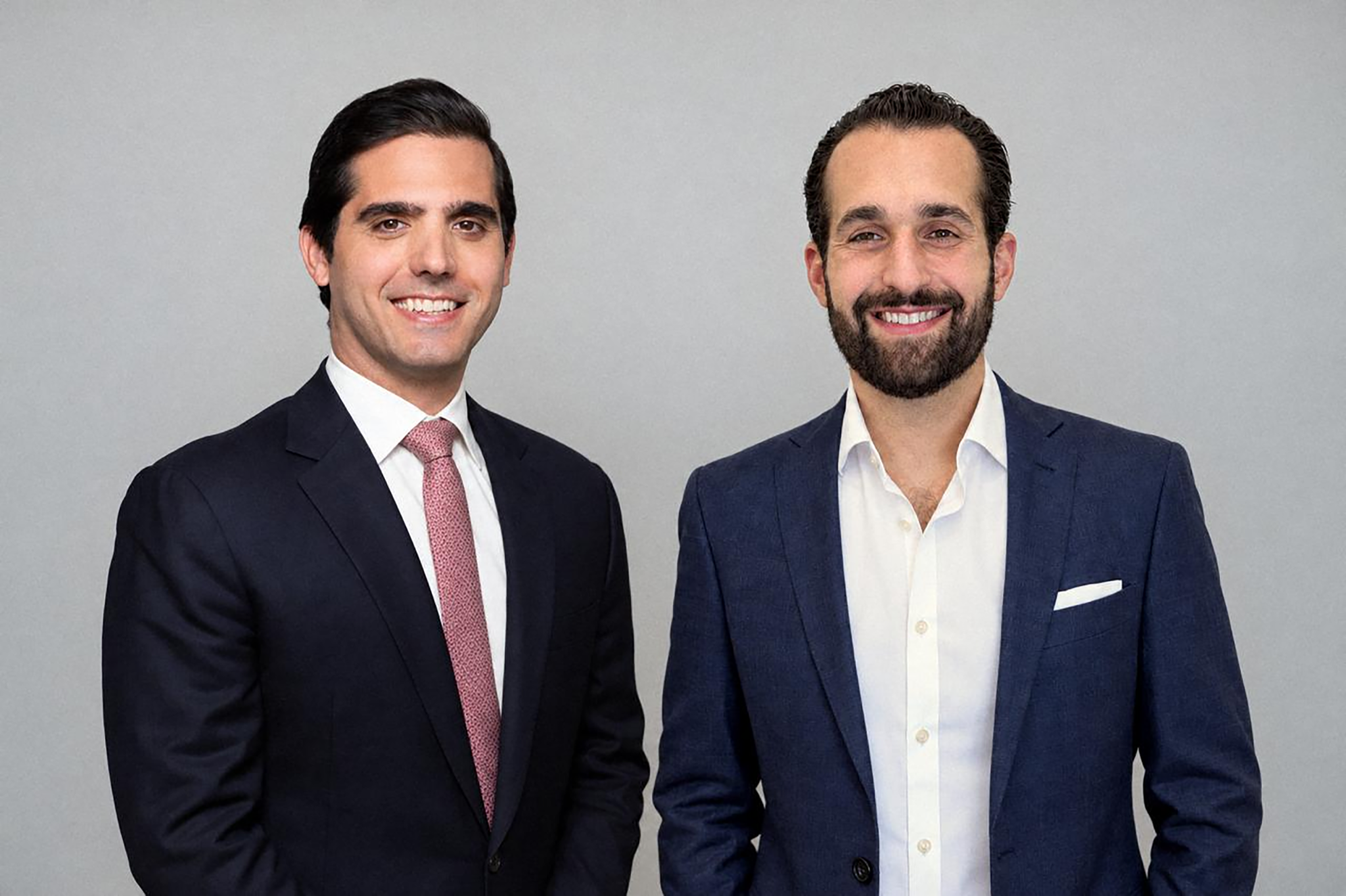
Chief Executive Jonathan Shaffer, Chief Revenue Officer Steve Bendit, and Chief Technology Officer Chris Humphrey founded the company in 2024. Shaffer identified the liquidity disconnect while working as an investor at Point72, the hedge fund founded by Steve Cohen. He later connected with Bendit, who was leading business development at Securitize, a primary infrastructure provider for placing financial assets on blockchains. The pair spent more than two years analyzing the mechanics of fund liquidity before bringing on Humphrey to build the platform. The eight-person team operates out of New York, Long Island, and Los Angeles.
The Series A follows a $1.6 million pre-seed round backed by SALT Fund and Kraynos Capital. Previous investors including New Form, gumi Cryptos Capital, Anthony Scaramucci, Manhattan Venture Partners, Reflexive Capital, and Lattice Capital participated in the latest raise.
Brokerage integration for these digital assets continues to expand alongside secondary market solutions. Pittsburgh-based Federated Hermes announced a partnership this month with Prometheum to distribute tokenized funds through traditional brokerage channels, targeting early 2027 for its first product launch.