
Seattle CEOs Issue 100-Day Ultimatum as Police Numbers Plummet
Corporate Leaders Demand Immediate Action on Crime and Homelessness
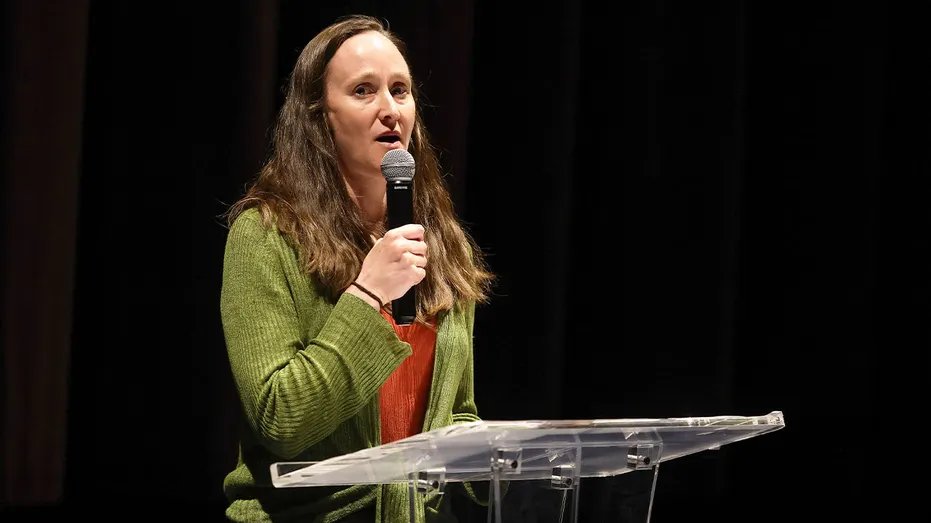
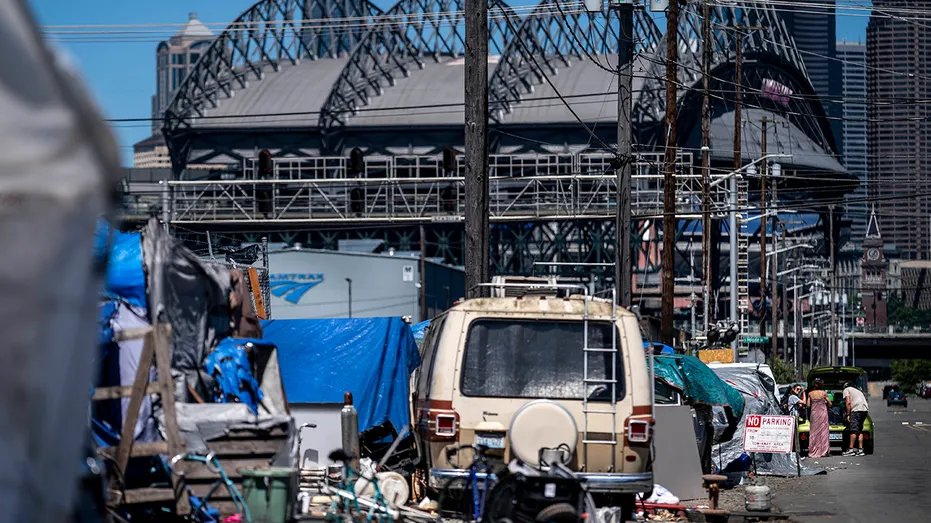
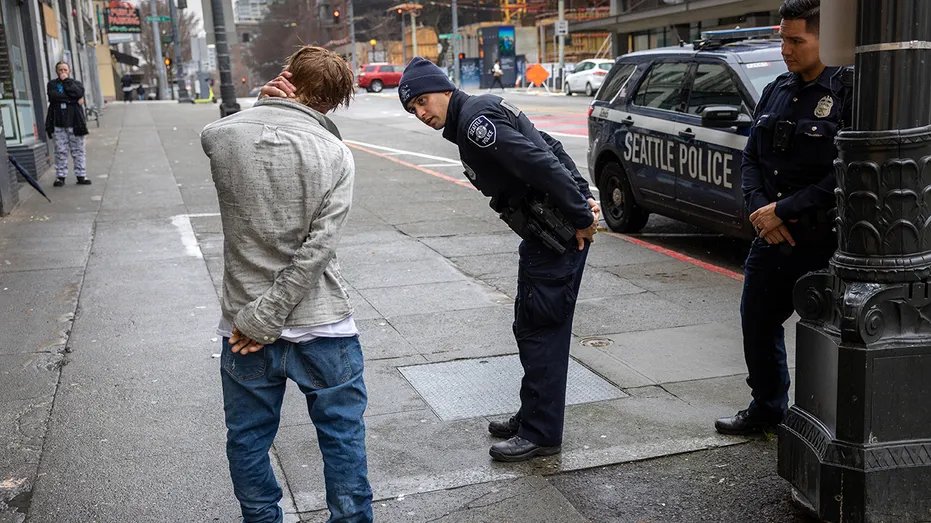
SEATTLE — A coalition of the city’s most influential corporate and civic figures has launched a coordinated effort to force municipal action on public safety and the worsening retail climate. In a letter delivered Thursday to Mayor Katie Wilson and the Seattle City Council, executives from major regional employers, including Microsoft, Starbucks, T-Mobile, and Alaska Air Group, called for the immediate adoption of an emergency 100-day public safety initiative. The intervention marks a significant escalation in the ongoing rift between Seattle’s business establishment and its progressive executive leadership. The group’s demands include a mandate to clear unauthorized homeless encampments in designated high-activity areas within 72 hours. The proposal also asks for the rapid expansion of physical and technological policing infrastructure, such as increased foot and bicycle patrols in high-crime sectors and the installation of additional CCTV security cameras. A strict recommitment to a seven-minute response standard for priority 911 calls is also requested, with the Seattle Police Department required to publicly report any missed response times. The corporate coalition, which also includes leadership from the Seattle Mariners, Boeing Employees Credit Union (BECU), the SODO Business Improvement Area, the Ballard Alliance, and the Washington Hospitality Association, is pressuring City Council President Joy Hollingsworth, Public Safety Committee Chair Robert Kettle, and Mayor Wilson to adopt specific, measurable benchmarks. The urgency of these demands is rooted in a broader municipal crisis regarding police recruitment and retention. Over the past several years, the Seattle Police Department has experienced historic staffing declines, a trend accelerated by regional political friction and the aftermath of nationwide civil unrest in 2020. According to data cited in the executives’ letter, as of mid-2026, Seattle maintained approximately 1.31 sworn officers per 1,000 residents. This ratio represents a severe deficit compared to other major metropolitan areas, lagging Denver by 40%, San Francisco by 43%, and Boston by 58%. Compounding the staffing challenge, Seattle officials recently terminated lucrative hiring incentives designed to attract new recruits and lateral transfers. The city eliminated signing bonuses of up to $50,000 that had been utilized to draw experienced officers from other law enforcement jurisdictions, a decision that business leaders argue has further crippled the department’s capacity to rebuild its ranks. The high-profile intervention comes at a sensitive economic juncture for the city. Starbucks recently initiated plans to transition approximately 2,000 corporate positions from its historic Seattle headquarters to Nashville, Tennessee, a move that has intensified anxieties regarding corporate flight and the erosion of the city’s tax base. The departure of these roles has amplified local debates surrounding proposed progressive fiscal policies, including a controversial “millionaires tax” championed by Mayor Wilson’s administration, which critics argue is accelerating the exodus of high earners and businesses. The business coalition pointed to widespread voter dissatisfaction to justify the urgency of their demands. The letter cited an August 17 public opinion poll indicating that only 34% of local voters feel confident that the city has implemented an effective strategy to address chronic public safety concerns. According to the coalition, each of the proposals outlined in their 100-day plan garnered support from at least 75% of respondents across all geographic and demographic segments of the city. Civic organizations have echoed the business community’s frustration with visible street disorder and open-air drug use, particularly involving synthetic opioids like fentanyl. Andrea Suarez, the founder and executive director of We Heart Seattle, a non-profit outreach organization, noted that public spaces remain heavily impacted by the drug epidemic. Suarez observed that drug paraphernalia, including burnt foil and empty naloxone cartridges, is frequently scattered across public sidewalks and municipal parks, alongside recurring property damage. She criticized city administrators for focusing on symbolic administrative adjustments rather than addressing the core issues of public safety, addiction, and physical recovery. The ongoing friction highlights a political divide within Seattle’s city government. While Mayor Wilson, who identifies as a socialist, has frequently dismissed warnings that progressive taxation and administrative policies are driving affluent residents and corporations out of the city, the current City Council has adopted a more moderate posture on municipal enforcement. Council members like Hollingsworth and Kettle, who were elected amid shifting voter sentiments regarding urban quality-of-life issues, have expressed greater openness to expanding police resources and clearing public drug markets. Despite substantial municipal investments, the crises of homelessness and public substance abuse continue to challenge the city’s infrastructure. In 2024, Seattle allocated more than $150 million toward homeless services and regional housing initiatives. However, business owners and community advocates argue that these expenditures have failed to produce tangible improvements on the streets. Mayor Wilson’s office did not immediately provide a formal statement in response to inquiries regarding the business coalition’s letter or the proposed 100-day public safety timeline.