WD-40 Keeps Spiders Off Exterior Windows: How the Hack Works
The lubricant blocks spiders from anchoring silk to window frames by eliminating the grip they need to build webs.
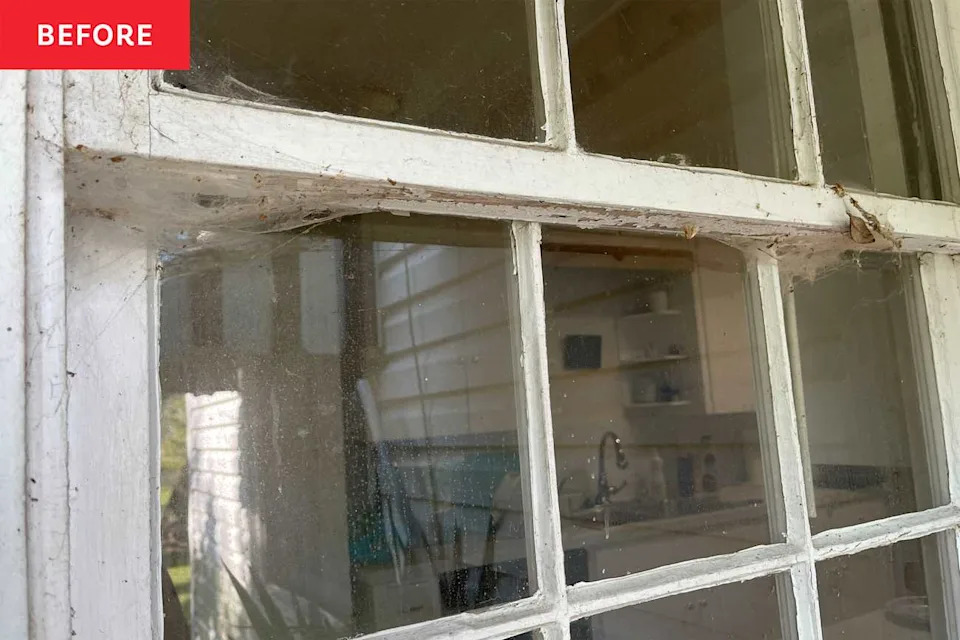
A petroleum-based lubricant designed to displace water and silence squeaky hinges has become an unlikely weapon against exterior spider infestations. Homeowners battling persistent cobwebs on window frames are turning to WD-40, relying on its chemical properties to deny spiders the textured surfaces they need to anchor silk.
The approach targets a specific behavioral vulnerability in web-building arachnids. Orb-weaving spiders and common house spiders require rough or angled surfaces to secure their initial draglines. When the perimeter of a window frame is coated with a thin layer of lubricant, the surface becomes too slick for these foundational threads to hold. Without that initial anchor point, the spider abandons the site rather than attempting to construct a web.
Application requires clearing existing webs and cleaning the window glass first. A light spray along the bottom sill, side jambs, and top header creates a continuous barrier. Small amounts directed into the interior corners of the pane address the exact junctions where spiders preferentially build. The product must be kept off the main viewing area of the glass to prevent greasy residue that distorts visibility and attracts dust.


Unlike standard insecticides, which rely on neurotoxins to kill pests on contact, this method functions as a physical deterrent. The volatile organic compounds in the formula also produce a lingering odor that disrupts the sensory environment many insects use to navigate. This dual mechanism—surface modification combined with olfactory disruption—explains why the treatment deters not only spiders but also paper wasps, carpenter bees, and ants scouting entry points around door frames and soffits.
Weather resistance separates this tactic from natural repellents like peppermint oil or vinegar solutions, which wash away during the first storm. Because the base formula is engineered to penetrate rust and displace moisture, it bonds to painted wood, vinyl, aluminum, and fiberglass trim. Heavy rainfall does not strip the coating, allowing a single application to remain effective through seasonal weather shifts. Pest management professionals generally note that while no exterior barrier lasts indefinitely without maintenance, petroleum-based coatings significantly outlast water-soluble botanical sprays in humid climates.
Homeowners in subtropical regions face year-round pressure from species such as the southern house spider and various orb weavers, making permanent exclusion nearly impossible. Traditional pest control relies heavily on pyrethroid sprays applied quarterly, which carry environmental risks for local pollinators and aquatic ecosystems when runoff enters storm drains. Using a targeted mechanical barrier on specific architectural features reduces the volume of broad-spectrum pesticides introduced into the immediate environment.
Caution remains necessary around porous materials. Unsealed brick, raw cedar, and certain types of stucco can absorb the oils, leading to dark staining that is difficult to reverse. Testing a small, inconspicuous section of the window casing before treating the entire perimeter prevents cosmetic damage to historic or custom millwork.
The WD-40 Company continues to manufacture its multi-use product in aerosol cans and precision-pen applicators, the latter offering better control for tight window corners without overspray.