Indoor Cat’s Skunk Encounter Leaves Home Uninhabitable, Highlights Rabies Risk for Escaped Pets
Rabies risk, decontamination formula, and why this orange tabby will likely escape again
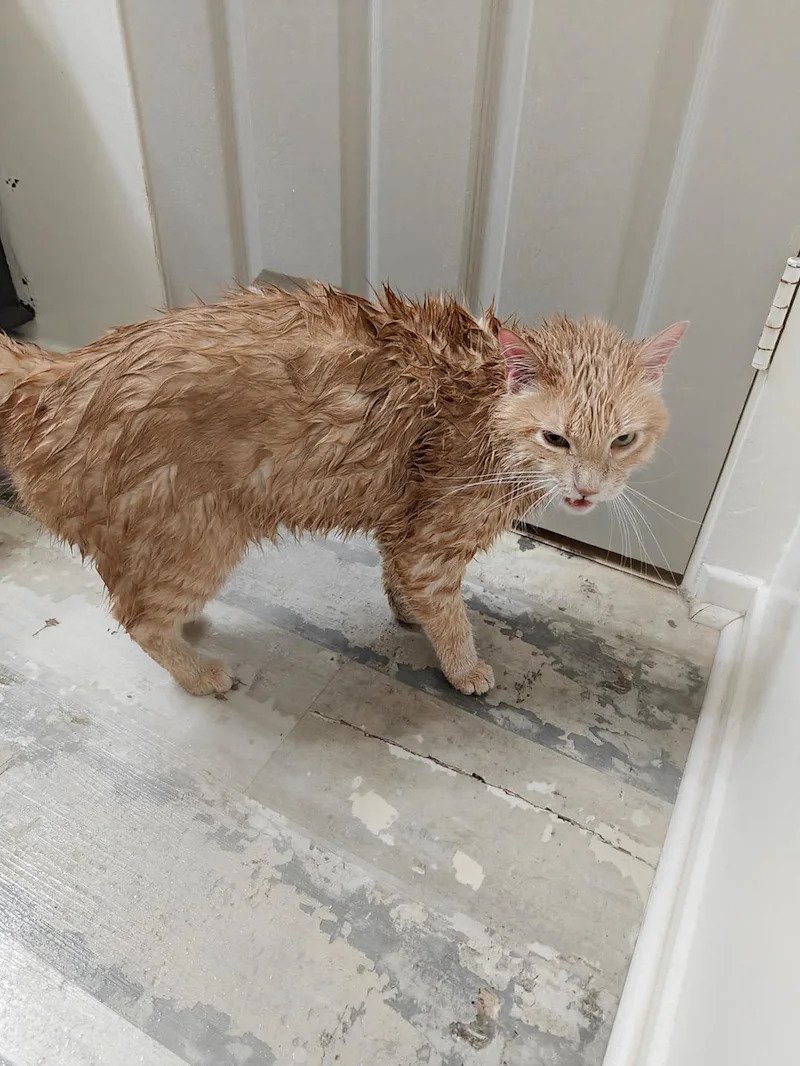
A household returned from a hockey game last week to find their residence saturated with skunk spray after an indoor cat escaped and confronted the animal, prompting an emergency decontamination effort and renewed warnings about rabies exposure for pets with outdoor access.
The cat, described by its owners as an orange tabby with a history of outdoor living, slipped through a door while the residents carried in groceries — a recurring escape pattern that occurs roughly once per year despite six months of intensive transition training after the cat was inherited from a previous outdoor situation. The animal spent its first two years outside before being brought indoors.
Veterinarians emphasize that skunk encounters carry risks far beyond odor. Skunks are primary rabies vectors in much of the United States, accounting for approximately 20% of all wildlife rabies cases reported to the Centers for Disease Control and Prevention annually. Any direct contact — including bites, scratches, or mucous membrane exposure to spray — warrants immediate veterinary assessment and potential booster vaccination, even for pets current on immunizations.


The owners administered the widely recommended hydrogen peroxide decontamination formula: one quart of 3% hydrogen peroxide, one-quarter cup baking soda, and one teaspoon liquid dish soap, mixed fresh and applied immediately. The solution works by oxidizing the thiol compounds responsible for skunk spray’s persistence, converting them into odorless sulfonic acids. However, the mixture must be used within minutes of preparation; it loses efficacy once the chemical reaction completes and cannot be stored.
Despite prompt treatment, residual odor persisted in bedrooms 12 hours later. Environmental health specialists note that skunk spray thiols bind tenaciously to porous materials — carpets, drywall, upholstery, HVAC filters — and can re-volatilize with humidity changes for weeks or months. Professional ozone treatment or thermal fogging is often required for structural decontamination.
Behavioral specialists caution that former outdoor cats frequently retain territorial patrolling instincts regardless of indoor enrichment. A 2023 Journal of Feline Medicine and Surgery study found that cats transitioned from outdoor to indoor-only living after 12 months of age showed escape attempt rates 3.4 times higher than cats raised indoors from kittenhood, with most escapes occurring at doorways during human entry or exit.
Prevention strategies include double-door entry systems, microchip-activated pet doors, and targeted environmental enrichment simulating hunting sequences. The American Association of Feline Practitioners recommends at least 15 minutes of interactive wand-toy play twice daily for cats with outdoor histories to reduce escape motivation.
The cat in this incident received a rabies booster vaccination the morning after the encounter. No bite wounds were detected during veterinary examination. The owners report the animal showed no behavioral change post-incident and attempted another door-dart escape three days later.