Google Buys 1 Million Carbon Credits from Rice Farms to Fight Methane
Tech Giant’s Largest Methane Offset Deal Targets Indian Rice Farms
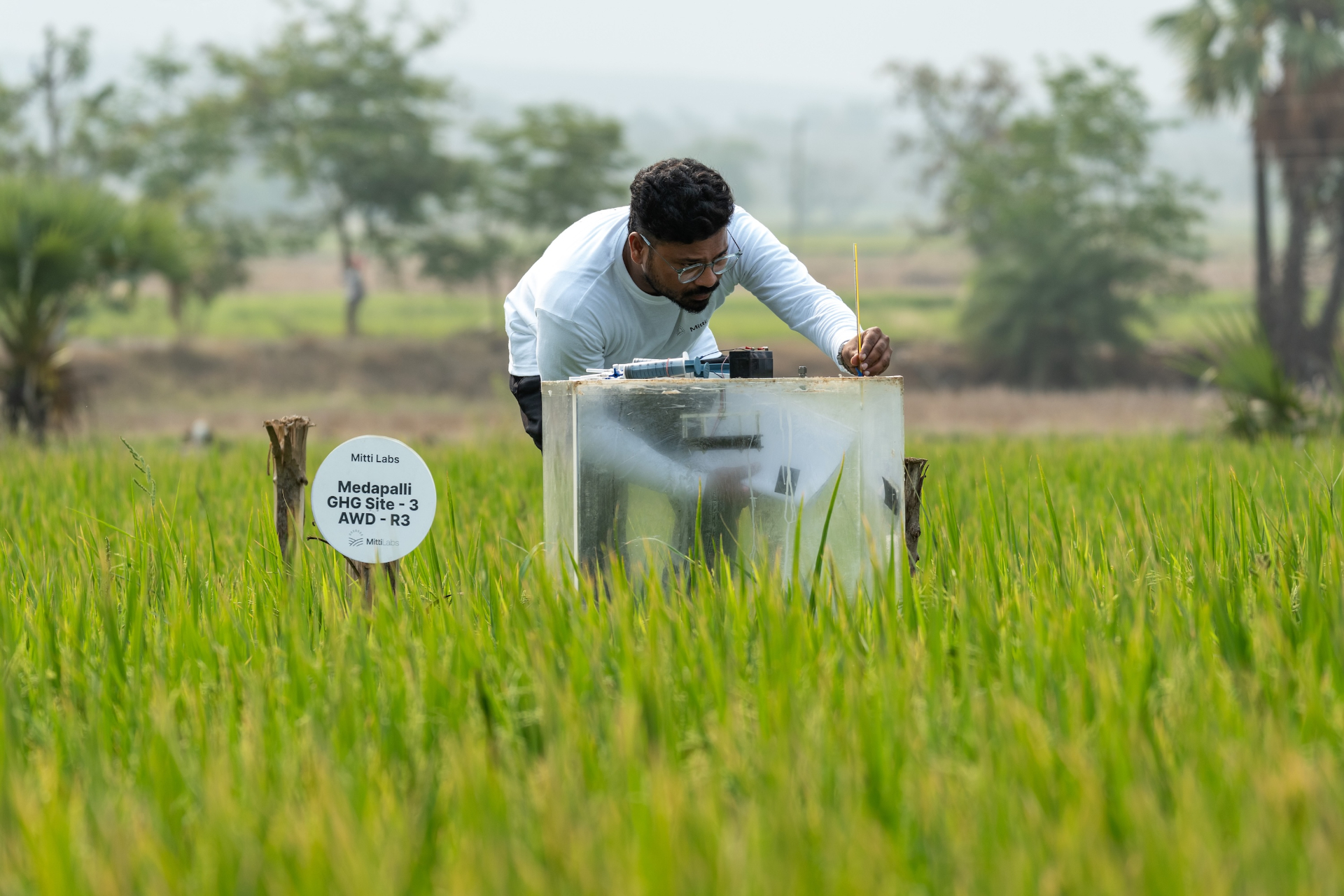

Global rice cultivation is one of the primary human-driven sources of atmospheric methane, generating an estimated 8% to 10% of global agricultural methane emissions. To broaden its decarbonization portfolio, Google has increasingly targeted short-lived climate pollutants like methane. The company has entered into its largest agreement to date focused on agricultural methane reduction, contracting to purchase 1 million carbon credits through 2030 from climate-technology startup Mitti Labs.
The four-year agreement highlights a growing effort by hyperscale tech operators to counterbalance operational emissions by funding targeted decarbonization initiatives in major agricultural regions. Google has maintained a public goal to reach net-zero greenhouse gas emissions across its direct operations and value chain by 2030. However, rapid expansions in computational capacity have intensified the challenge.


Traditional paddy farming relies on continuous field flooding, which depletes soil oxygen and creates anaerobic environments where methane-producing micro-organisms thrive. Across Asia, approximately 150 million smallholder farmers cultivate rice, with India serving as one of the world’s primary production centers. The project structured by Mitti Labs targets these agricultural practices across three southern Indian states: Karnataka, Andhra Pradesh, and Telangana.
According to its environmental report released in June, Google’s total greenhouse gas emissions rose 18% year-over-year to approximately 14.5 million metric tons of carbon dioxide equivalent. While carbon dioxide remains in the atmosphere longer, methane traps substantially more heat over a shorter timeframe, making near-term reduction projects a focal point for corporate climate programs.
At peak implementation, the program is slated to cover approximately 100,000 hectares of farmland. Under the initiative, participating smallholder farmers receive financial incentives to transition from continuous field flooding to Alternate Wetting and Drying techniques. By periodically draining paddy fields to allow the soil to re-aerate before re-flooding, the practice inhibits methane generation.
Mitti Labs projects that this management shift lowers methane emissions by approximately 50% and reduces irrigation water demand by around 40%, without diminishing crop yields. Verifying carbon reduction across thousands of dispersed smallholder plots requires specialized tracking infrastructure. Founded in 2023 with dual headquarters in New York and Bengaluru, Mitti Labs operates a proprietary GeoAI platform that combines satellite monitoring with localized ground data.
The system processes synthetic aperture radar (SAR) imagery gathered from commercial and public satellites, utilizing spatial resolutions ranging from 50 centimeters to 10 meters. This remote sensing data is paired with field-level measurements to continuously monitor crop health, soil moisture levels, and field inundation states. Carbon credits generated through the program will be issued under certification frameworks overseen by either Gold Standard or Isometric.
Each credit batch must undergo third-party auditing and verification prior to issuance. Financial terms of the Google deal were not disclosed, though Mitti Labs confirmed it represents the startup’s largest commercial offtake agreement to date. A majority of the program’s revenue is structured to flow directly to participating farming communities.
Mitti Labs currently works with more than 100,000 farmers and aims to scale its network to millions by 2030. Over the past two years, the startup’s water management protocols have recorded cumulative savings exceeding 500 billion liters of water. Beyond Google, the firm’s customer base includes carbon offset provider Cool Effect, international rice producer Ebro Foods, and agricultural supplier Syngenta.
The transaction marks Google’s second major carbon-offset transaction in India. In January 2025, the company signed its first large-scale carbon removal contract in the country, agreeing to purchase 100,000 tons of biochar-based carbon credits from Gurugram-based Varaha. While the agreement with Google focuses on southern India, Mitti Labs plans to begin expanding its field operations into the Philippines later this year, followed by planned entry into Indonesia and broader Southeast Asian markets in 2027.
Google has simultaneously expanded its renewable energy procurement in India to mitigate supply-chain emissions. The company recently contracted for power from a 150-megawatt solar facility in Rajasthan, expanding its total contracted solar power capacity with Indian renewable developer ReNew in the state to 300 megawatts.