AI Chip War Shifts to Debt and Equity as Nvidia, AMD Lock In Labs
Chipmakers deploy billions in debt and equity to bind OpenAI and Anthropic to long-term hardware deals
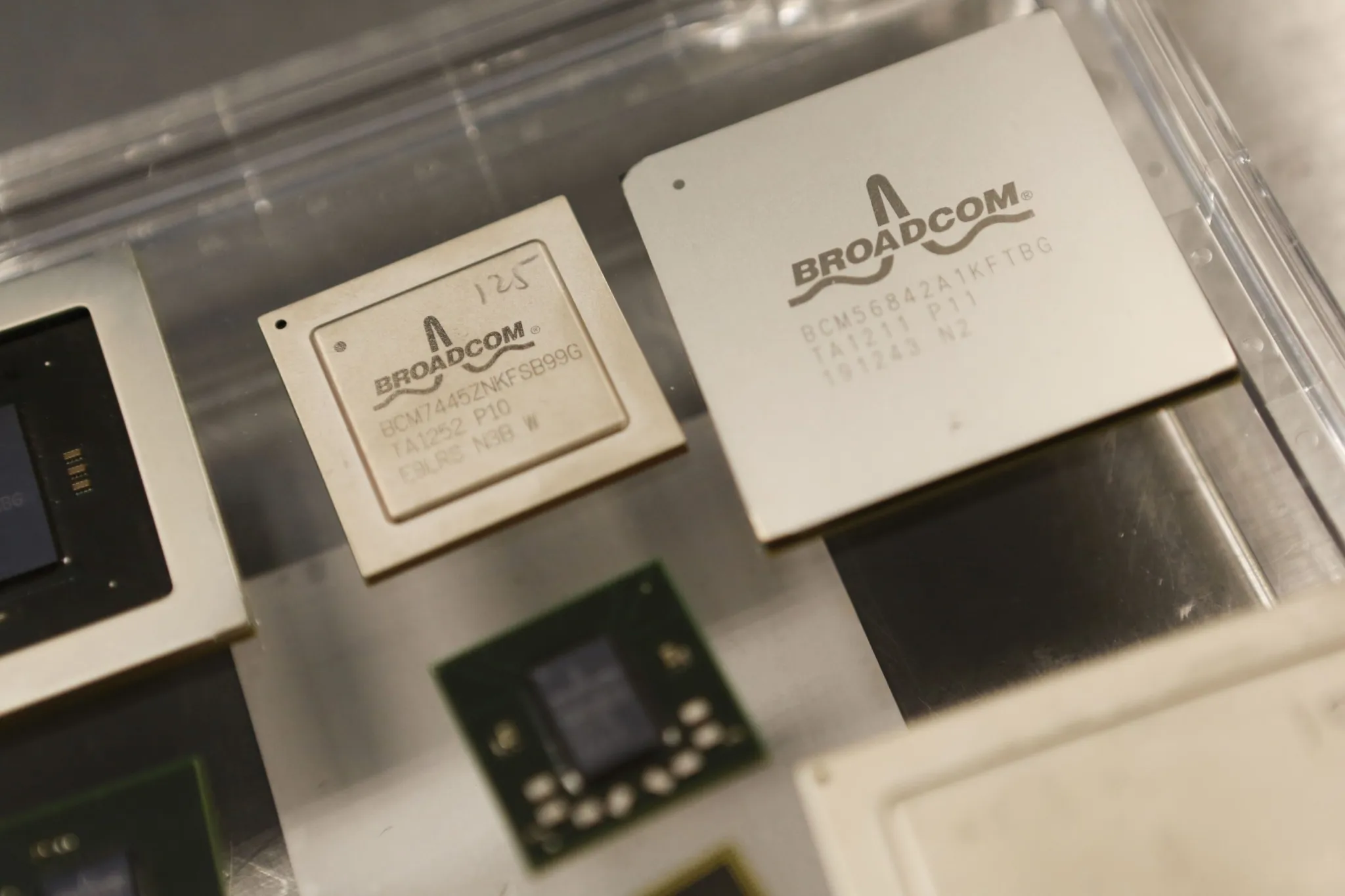
The race to dominate artificial intelligence hardware is no longer decided solely by transistor counts or benchmark scores. Silicon manufacturers are deploying tens of billions of dollars in debt financing, equity warrants, and direct stakes to lock major AI laboratories into long-term purchasing agreements, transforming the semiconductor industry into a complex web of financial interdependence.
Broadcom has entered discussions to raise approximately $30 billion in debt specifically structured to help OpenAI purchase custom chips the two companies are developing together. The arrangement mirrors a recent $35 billion financing package tied to Anthropic, with another $60 billion credit facility reportedly under negotiation for Anthropic and other developers. These instruments function similarly to vendor financing programs historically used by industrial conglomerates like General Electric and General Motors to move heavy machinery, but they are being deployed at unprecedented scale for technology that remains commercially unproven over multi-year horizons.
Nvidia has pursued a broader capital mobilization strategy. The dominant GPU maker recently partnered with six financial institutions to unlock more than $500 billion in third-party capital designated for customer AI infrastructure projects. Beyond facilitating outside funding, Nvidia holds direct equity stakes in various AI startups valued at nearly $100 billion. This vertical integration means the company profits not only from selling the accelerators but also from the appreciation of the businesses buying them.


AMD is testing a different mechanism: dilution for loyalty. To compete against Nvidia’s entrenched position, AMD offered both OpenAI and Meta Platforms warrants covering up to 320 million shares at an exercise price of one cent per share. By giving its largest prospective customers a direct financial stake in AMD’s stock performance, the chipmaker aligns their incentives with its own market capitalization rather than competing strictly on compute-per-watt efficiency.
These financial structures introduce significant pricing opacity into the AI supply chain. When a laboratory receives subsidized debt or penny warrants alongside its silicon orders, determining the true cost of compute becomes difficult for competitors and regulators. Antitrust authorities have historically scrutinized vendor financing when it forecloses competition, though the sheer capital intensity of training frontier models currently gives chipmakers leverage to demand deep structural commitments from labs desperate for capacity.
The viability of these massive credit facilities depends entirely on the revenue trajectories of the AI laboratories, which show signs of volatility. OpenAI recently shared updated financial data indicating annualized revenue approaching $50 billion as of late September, a figure roughly $20 billion lower than projections circulated to investors just weeks prior. Revenue accounting methodologies further complicate comparisons across the industry. Anthropic reported $60 billion in annualized revenue through July, but that metric includes bookings generated by its cloud distribution partners. Excluding partner revenue reduces Anthropic’s independent run rate by approximately one-third.
Such fluctuations carry immediate consequences for the lenders backing Broadcom and Nvidia’s financing vehicles. If AI adoption curves flatten or enterprise spending slows, the debt used to purchase chips could become distressed. Investors preparing for anticipated initial public offerings from both OpenAI and Anthropic will likely demand granular disclosures separating core subscription revenue from partner-inflated figures, similar to the transparency requirements forced upon GE Capital following the 2008 financial crisis when its opaque lending arm was revealed to generate nearly half of the parent company’s earnings.
Beyond the chip sector, AI policy is becoming a formal political battleground ahead of the 2028 U.S. presidential election cycle. Anthropic is actively recruiting a political programs lead to build a bipartisan lobbying operation and oversee corporate political contributions, signaling that frontier model developers intend to shape Washington’s regulatory framework directly rather than reacting to it.
U.S. equity futures pointed to a higher open Friday, with S&P 500 contracts rising 0.43% after the benchmark index closed down 0.47% in the previous session. European markets traded firmly upward, led by a 0.98% gain in the STOXX Europe 600. Bitcoin held near $83,000.