Conagra Discontinues Celeste Pizza After 60-Plus Years
The historic Mama Celeste brand falls victim to Conagra's portfolio cuts as private labels and premium competitors dominate the $6 billion frozen pizza market.
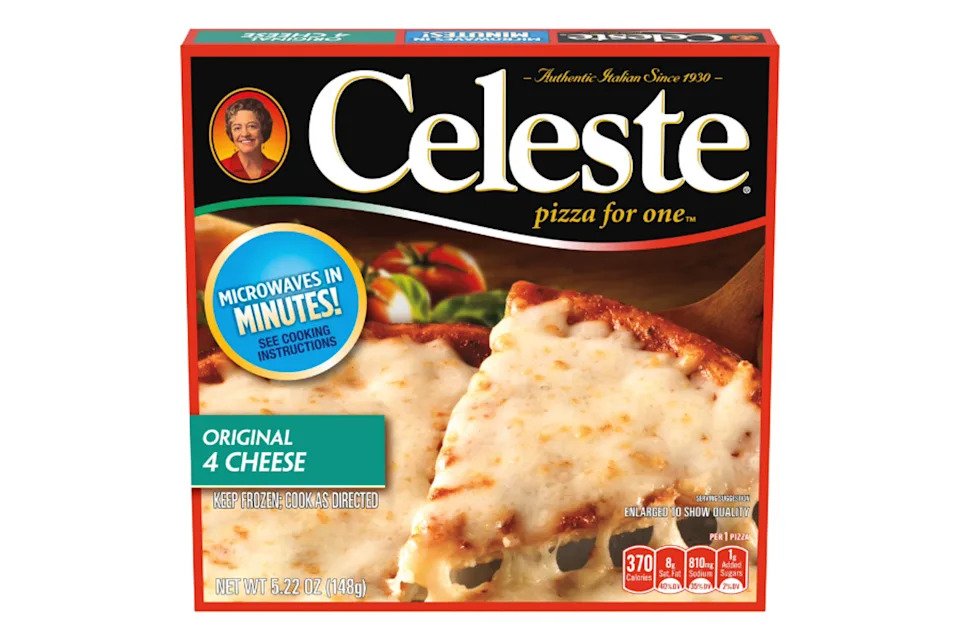
Conagra Brands has permanently halted production of Celeste frozen pizza, ending a 63-year run for one of the earliest mass-market frozen pies in the United States. The Chicago-based food giant confirmed the cancellation during its late September earnings call, citing an ongoing strategy to shed underperforming labels and redirect capital toward higher-margin products.
Chief Executive John Brase told investors the company identified specific brands and categories where it “simply just don’t see a future.” The move aligns with a broader restructuring across the packaged foods industry, where conglomerates routinely prune legacy assets that fail to deliver growth or scale against dominant competitors.
Grocery stores will continue selling existing Celeste inventory until shelves clear, according to a Conagra spokesperson. No timeline was provided for complete retail depletion, though frozen goods typically cycle through distribution channels within weeks of a production stop.

The discontinuation removes a direct link to the origins of America’s frozen pizza industry. Celeste Lizio, widely known as “Mama Celeste,” and her husband Anthony opened a restaurant and tavern in Chicago in 1937. By 1962, the couple transitioned from restaurant service to manufacturing frozen pizzas and Italian entrees for local establishments. Quaker Oats acquired the operation seven years later, leveraging its national distribution network to push Celeste into grocery freezers coast-to-coast while retaining Lizio as the brand’s television spokesperson.
That early-mover advantage eventually eroded. The frozen pizza sector underwent massive consolidation beginning in the 1980s. Kraft Foods introduced DiGiorno in 1995, pioneering the “rising crust” technology that allowed frozen pizzas to mimic delivery quality and command premium pricing. Schwan’s Company built Red Baron into a volume leader through aggressive marketing and distinct packaging. Nestlé ultimately acquired both DiGiorno and Tombstone, while private-label store brands steadily captured budget-conscious shoppers who once relied on value packs of personal-sized Celeste pies.
Today, the U.S. frozen pizza market generates roughly $6 billion annually, heavily concentrated among three multinational parent companies and major retailers producing their own generic alternatives. In this environment, heritage brands lacking dedicated advertising budgets or distinct product innovations frequently lose freezer space to faster-moving SKUs.
Conagra itself has repeatedly reshuffled its portfolio over the past decade. Following its 2018 acquisition of Pinnacle Foods, the company divested dozens of slower-growing labels, including Wesson cooking oil and Del Monte canned goods in Canada, to position itself as a leaner operator focused on scalable consumer staples like Healthy Choice, Birds Eye, and Slim Jim.
News of the shutdown triggered immediate reaction online, particularly among consumers who associated the brand’s inexpensive, personal-sized pizzas with childhood routines and family members. Social media threads were flooded with references to 1990s multi-pack deals and memories of grandparents keeping the pizzas stocked at home. Others offered less sentimental assessments of the product’s culinary reputation, bluntly characterizing the crust and ingredients as inferior even by frozen-food standards.
Conagra reported fiscal first-quarter net sales of $2.9 billion on Sept. 25, noting that overall organic volume declines reflected continued pressure on lower-tier brands as consumers increasingly trade down to retailer-owned private labels.