
Amazon Prime Video Debuts AI Lip-Sync Dubbing on German Hit ‘Maxton Hall’
Prime Video Rolls Out AI Lip-Sync Dubbing on 'Maxton Hall' for Global Audiences
SEATTLE — Prime Video has begun altering the facial video of actors in foreign-language productions to match translated audio tracks, initiating a commercial rollout of artificial intelligence-driven lip synchronization across its streaming platform. The deployment represents a shift in how streaming services approach global localization. Rather than using generative AI to synthesize artificial voices, Prime Video is retaining human voice actors for foreign-language dubbing and using computer vision and visual-effects software in post-production to modify the actors’ mouth movements on screen, aligning their physical performances with English-language dialogue.
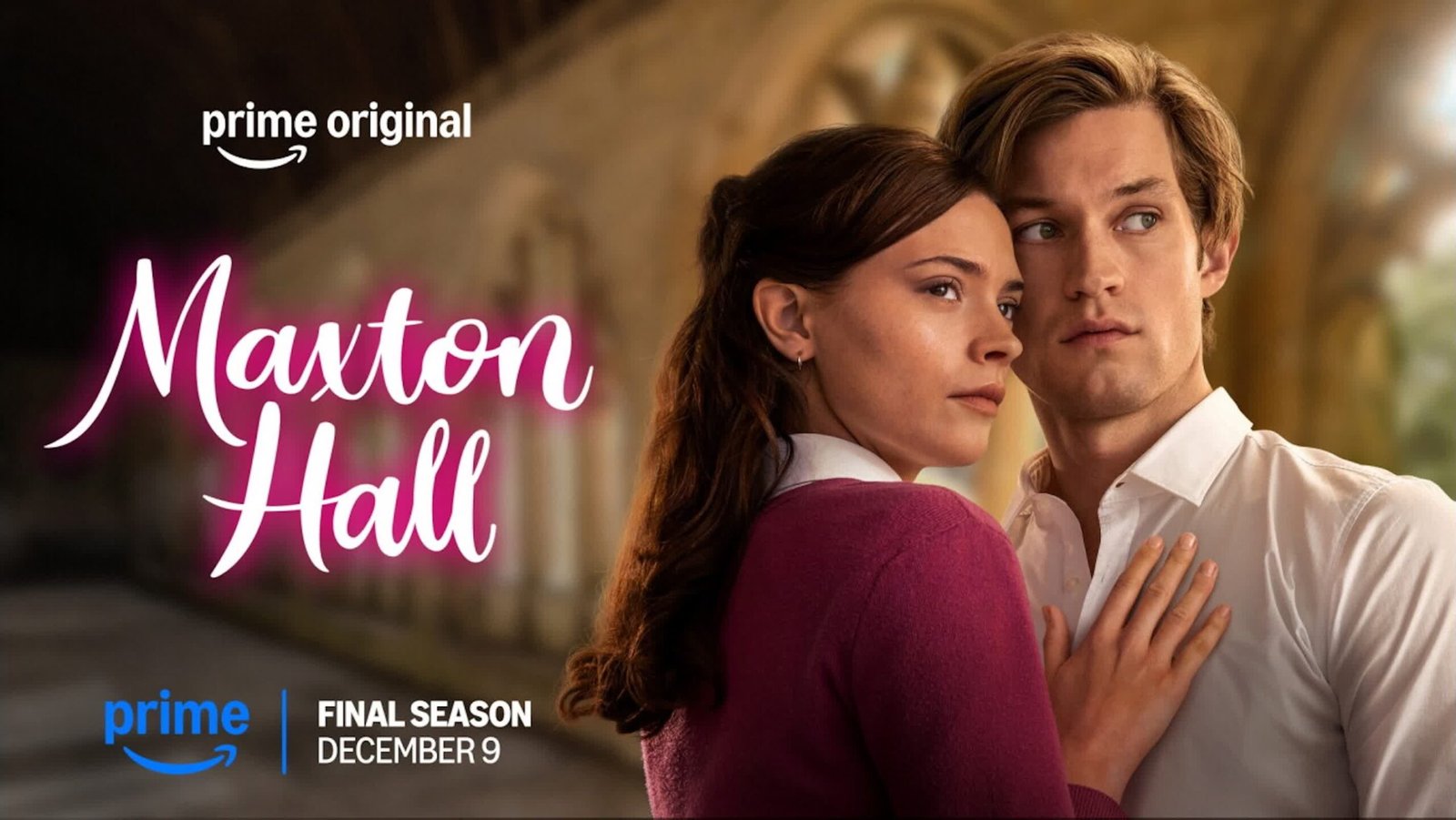
The visual modification technology debuted globally on the first two seasons of the German romantic drama series “Maxton Hall — The World Between Us.” Amazon confirmed the tool will also be applied to the show’s third and final season ahead of its December premiere.
“With lip-syncing, we’re creating a more seamless and immersive way for customers to enjoy global content,” said Raf Soltanovich, vice president of technology at Prime Video and Amazon MGM Studios. “And for creators, we’re making it easier for their stories to reach an even broader and global audience, all done under creative oversight to ensure the integrity of their artistic vision is preserved.”


Amazon has not disclosed the specific machine learning architectures, vendor software, or automated processing pipelines used in the system, noting only that the process combines proprietary AI models with traditional visual-effects tools under human creative supervision. The visual lip-syncing initiative follows earlier localization trials conducted by Prime Video over the past year. In previous tests across 12 feature films and television series, including “El Cid: La Leyenda,” “Mi Mamá Lora,” and “Long Lost,” the service experimented with AI-assisted audio translation and dubbing generation.
The selection of “Maxton Hall” as the launch vehicle provides Prime Video with a high-volume testing ground. Based on the 2018 novel “Save Me” by German author Mona Kasten—the first installment in her bestselling literary trilogy—the series ranks as the platform’s most-streamed non-English original title worldwide since its debut in May 2024.
The “Maxton Hall” integration marks the first time Amazon has applied neural rendering directly to the underlying video footage to reshape visual lip geometry for translated distribution. Technology companies including Meta and Alphabet’s YouTube have previously introduced automated AI translation and algorithmic lip-syncing tools aimed primarily at independent digital creators and short-form video. In theatrical film post-production, specialized firms such as Flawless AI have demonstrated neural rendering systems to adjust dialogue and mouth movements to alter ratings or adapt languages.
Amazon’s implementation specifically targets scripted, high-budget streaming content by isolating the visual performance from the vocal track. By pairing visual adjustments with studio-recorded vocal performances by human voice actors, the platform aims to minimize the visual disparity between original German dialogue and English dubbing while maintaining conventional voice-acting pipelines.
Prime Video stated that it plans to expand the lip-syncing technology to additional international titles in its catalog, though the company has not yet announced specific upcoming series or release schedules. The move comes amid rapid technological developments and labor discussions regarding synthetic media in film and television localization.