MIND Diet Linked to Slower Brain Aging in Long-Term Study
Framingham cohort data links Mediterranean-DASH eating habits to preserved gray matter volume
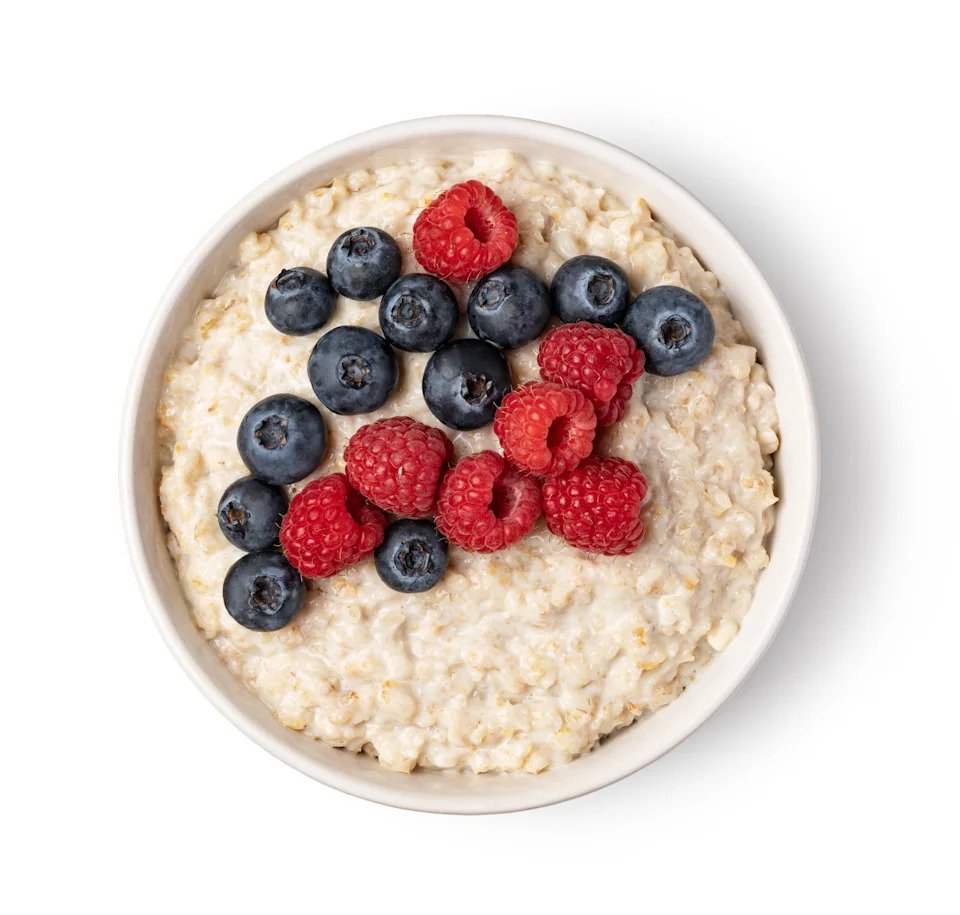
Long-term adherence to a diet rich in leafy greens, berries, and lean proteins may protect against structural brain shrinkage during older adulthood, according to a longitudinal study tracking more than 1,600 participants over a 12-year window.
Published in the Journal of Neurology, Neurosurgery & Psychiatry, the analysis evaluated brain imaging from 1,647 individuals enrolled in the Framingham Heart Study Offspring cohort. Researchers discovered that higher adherence scores on the MIND diet—short for Mediterranean-DASH Intervention for Neurodegenerative Delay—correlated with a measurable reduction in the loss of gray matter, the neural tissue essential for processing information, memory retention, and executive function.
A three-point increase on the diet’s 15-point assessment index was tied to approximately 20% less age-related gray matter decline across serial MRI scans. Investigators noted that this disparity reflects roughly 2.5 years of slowed brain tissue loss compared to lower-scoring peers. Imaging also revealed reduced expansion of the brain’s ventricles, fluid-filled cavities that typically widen as surrounding cerebral volume shrinks.


Developed by nutritional epidemiologists to counter age-related neurodegeneration, the MIND diet blends components of the Mediterranean diet and the blood-pressure-lowering DASH framework. The regimen prioritizes regular servings of green leafy vegetables, berries, nuts, olive oil, and poultry while restricting butter, red meat, pastries, and fried food.
Yet the granular data yielded several unexpected findings that complicate simple dietary assumptions. While berries and poultry exhibited strong individual associations with favorable brain volume, consumption of sweets and fried fast food was directly linked to accelerated volume loss in the hippocampus, a brain region vulnerable to Alzheimer’s pathology.
In contrast to standard nutritional expectations, higher reported whole grain intake corresponded with less favorable structural changes, whereas cheese consumption showed protective correlations. The authors observed that overall dietary benefits appeared most pronounced among participants who maintained regular physical exercise and a healthy body weight.
Because the investigation relied on observational data and self-reported questionnaires within a predominantly White cohort, it demonstrates statistical association rather than direct causation. Clinical trials have yielded mixed results; a prominent 2023 randomized trial examining the MIND diet with mild calorie restriction over three years found no significant divergence in cognitive test scores or MRI volume changes compared to a control group.
Neurologists continue to investigate whether preserved cerebral volume directly shields patients against functional cognitive decline, with ongoing research focusing on how long-term dietary patterns interact with vascular risks and neurodegenerative biomarkers over multiple decades.