Siberian Lab Death Sparks Plague Fears Amid Russian Secrecy
Unexplained pneumonia fatality at Irkutsk facility draws U.S. scrutiny and highlights gaps in Russian biosafety oversight
The death of a researcher at a high-security Siberian anti-plague institute has triggered international monitoring and renewed scrutiny of Russia’s biosafety transparency, even as Moscow insists no dangerous pathogens were involved. Darya Shipilova, 28, died from pneumonia of unknown origin at the Irkutsk Anti-Plague Research Institute of Siberia and the Far East, prompting quarantine measures and an on-site visit by Anna Popova, head of Rospotrebnadzor. While Russian authorities state that testing found no link between her illness and laboratory agents, the incident highlights persistent gaps in independent verification within Russia’s biological research sector.
U.S. Secretary of State Marco Rubio confirmed that American officials are closely watching the situation, reflecting longstanding Western concerns about safety standards at former Soviet bioweapons facilities. The Irkutsk institute is part of a network originally established to study and weaponize plague bacteria during the Cold War. Although officially converted to public health research after 1991, many of these sites have suffered from aging infrastructure, brain drain, and inconsistent funding, raising questions about containment integrity that official denials cannot fully resolve for external observers.
Pneumonic plague, the most severe form of the disease, can be fatal within 24 hours if untreated and is distinguishable from common pneumonia through specific diagnostic markers. The fact that Shipilova’s cause of death remains listed as “unknown” despite specialized testing at a plague research center is medically unusual. In standard biosafety protocols, employees at BSL-3 and BSL-4 facilities undergo rigorous post-mortem analysis when respiratory symptoms appear, specifically to rule out or confirm exposure to select agents like Yersinia pestis. The absence of a definitive diagnosis fuels skepticism among epidemiologists familiar with the region’s historical challenges.


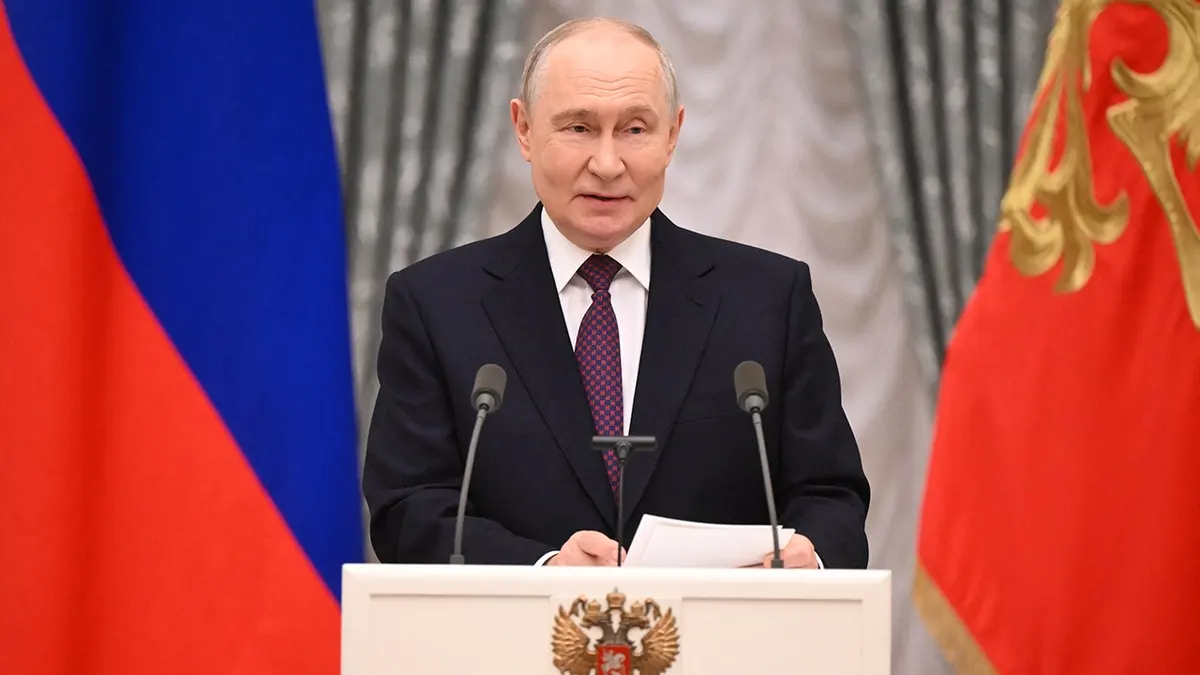
Beyond the immediate health risk, the incident intersects with broader concerns about institutional reliability under Vladimir Putin. Retired CIA officer Dan Hoffman noted that suppressed biological incidents compound existing systemic failures, drawing parallels to how hidden disasters eroded trust in the late Soviet era. The Kremlin’s strict information controls mean that external assessments must rely on intelligence rather than official statements, a dynamic mirrored in other authoritarian states where public health data is often treated as a matter of state security rather than scientific record.
Rospotrebnadzor has deployed additional personnel to the Irkutsk facility and surrounding areas as a precautionary measure. Medical teams at the Shelekhov infectious diseases hospital remain on heightened alert while contact tracing continues. No secondary cases have been reported, and regional health officials maintain that there is no evidence of an outbreak. However, the combination of an unexplained death at a sensitive site and the opacity of the official response ensures that international health agencies will continue independent surveillance regardless of Moscow’s assurances.